Climate change is presenting national legal and policy systems with increasingly complex challenges, particularly in determining legal responsibility, strengthening international cooperation, and implementing effective response measures. These questions were central to discussions at the Fifth Annual ASEAN Conference on Climate Change (ACCC5 2026), held under the theme “Shaping the Climate Regime in Southeast Asia through International Law.” The conference was jointly organised by Ho Chi Minh City University of Law and the Centre for International Law at the National University of Singapore on 30 October 2026.
The conference convened in person at Ho Chi Minh City University of Law’s campus at 2 Nguyen Tat Thanh Street, with several international speakers participating remotely. This hybrid format facilitated substantive exchanges of research findings and professional expertise among scholars and specialists from Viet Nam and abroad. Notably, the organising committee received nearly 300 research abstracts from multiple countries. Following a review and selection process, 36 outstanding papers were chosen for presentation across seven thematic sessions and one plenary session.
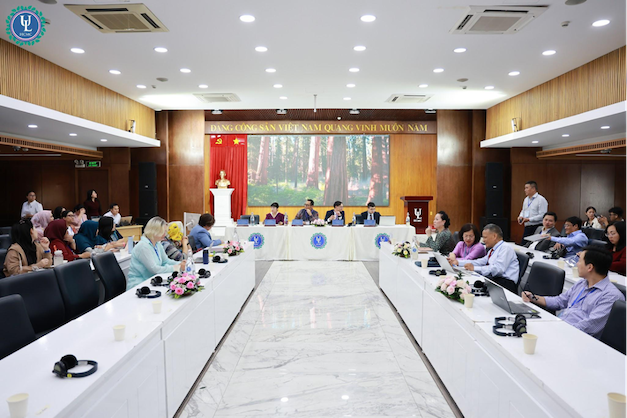
An overview of the conference in Hall A.1002 at the Nguyen Tat Thanh campus.
Session 1 – “International Climate Adjudication, Advisory Opinions, and State Obligations”
The opening session examined the role of international judicial bodies, notably the International Court of Justice (ICJ) and the International Tribunal for the Law of the Sea (ITLOS), in interpreting and articulating States’ legal obligations concerning climate change and the protection of the marine environment. Particular attention was paid to the implications for climate governance in Southeast Asia of the ICJ’s 2025 advisory opinion and the ITLOS advisory opinion issued in 2024. The presentations also explored the content of due diligence obligations, legal arguments advanced by Southeast Asian States before international courts and tribunals, and emerging obligations incumbent upon coastal States. Scholars further considered the relationship between climate change mitigation, reconciliation, and peace within the international community, thereby broadening the discussion of how international law can contribute to addressing shared global challenges.
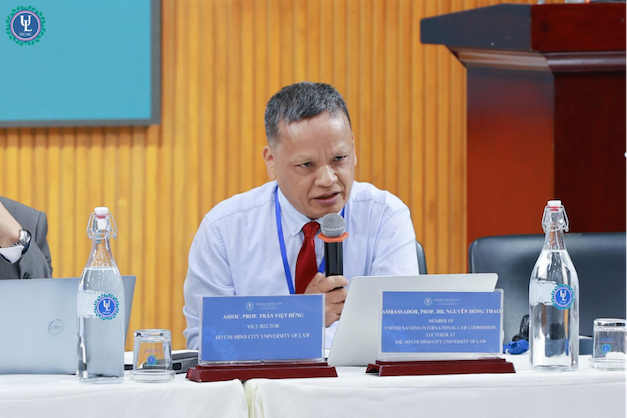
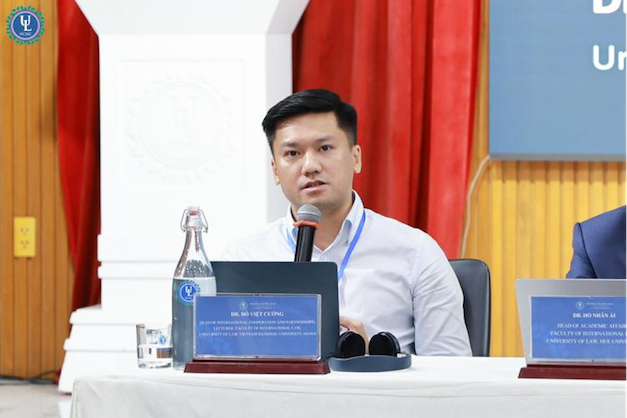
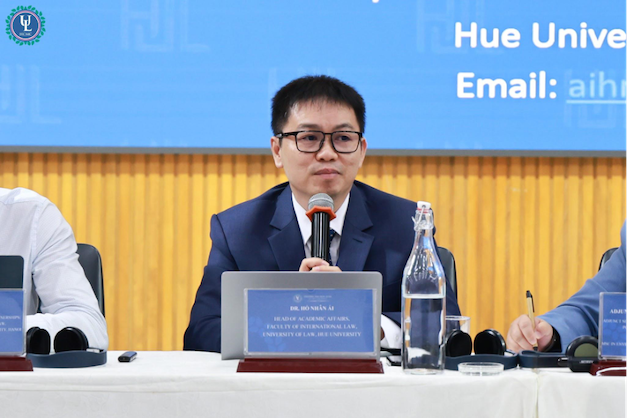
National and international experts and scholars present their research during Session 1.
Session 2 – “Oceans, Environmental Rights, and Future Generations”
Building on the discussion of State obligations, the second session turned to the intersections of climate change, the marine environment, and human rights, with particular emphasis on the rights and interests of future generations. The papers investigated the protection of future generations in climate-related decision-making through a human rights-based approach, while also examining the legal limits of maintaining maritime baselines in the face of sea-level rise. Further contributions addressed the right to live in a safe, stable, and healthy climate; the relationship among environmental protection, human rights, and sustainable development in Indonesia; and the need to safeguard the interests of future generations in mineral extraction undertaken to support the green transition. Taken together, these discussions illuminated the intergenerational legal dimensions of climate governance in Southeast Asia.
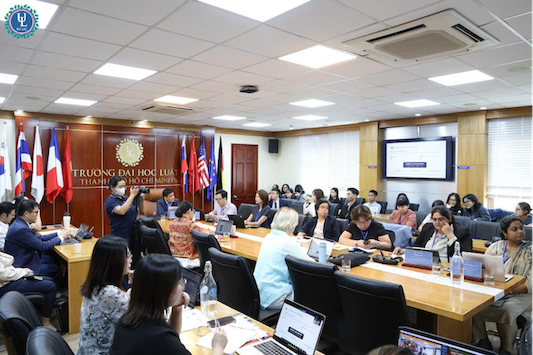
An overview of Session 2 in Room A.905.
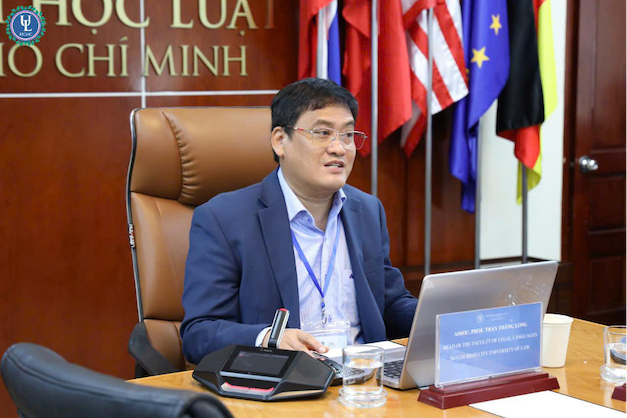
Assoc. Prof. Dr. Tran Thang Long, Dean of the Faculty of Legal Languages, Ho Chi Minh City University of Law, chairs a conference session.
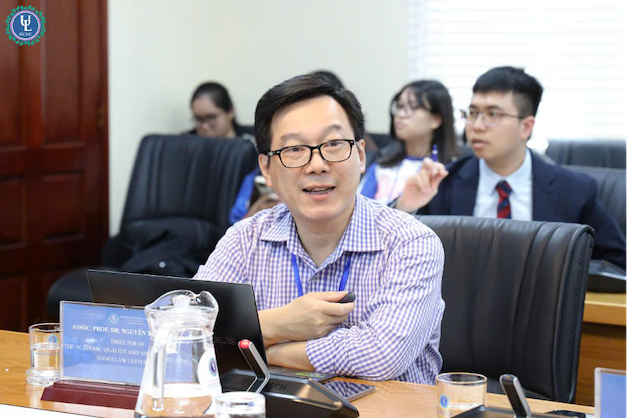
Assoc. Prof. Dr. Nguyen Toan Thang, Head of the Academic Quality and Assessment Office, Hanoi Law University, contributes to the discussion in Session 2.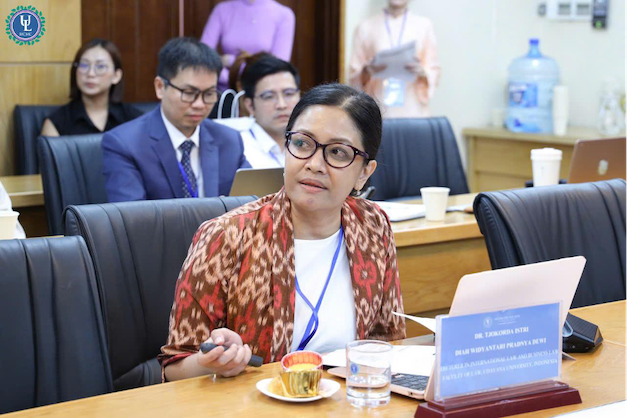
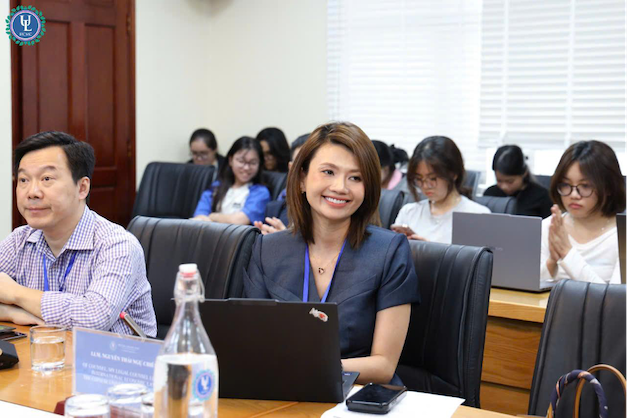
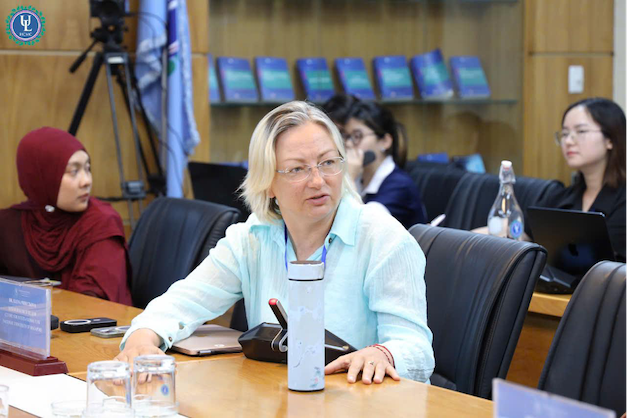
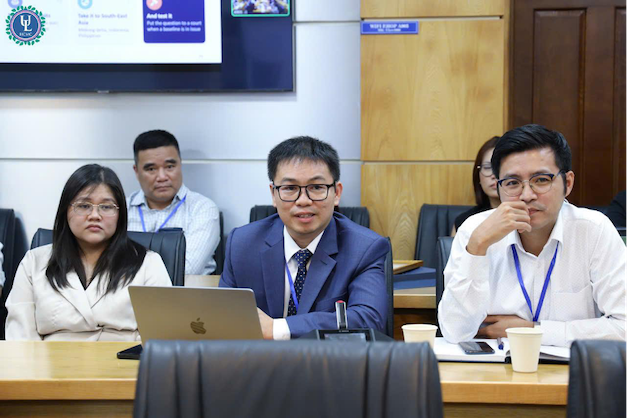
Leading experts engage in discussion during Session 2.
Session 3 – “Climate Justice and Accountability”
The third session extended the debate to climate justice and the accountability of actors involved in responding to climate change. The papers assessed the effectiveness of legal frameworks for adaptation governance in Viet Nam, the legal responsibility of polluting States and corporations, and the prospects for harmonised legal frameworks capable of strengthening cooperation, enforcement, and accountability in relation to transboundary climate issues. Of particular interest was a study of air pollution in Ulaanbaatar, Mongolia, which approached climate governance through the lens of the care economy, highlighting the need to account more fully for social costs and impacts on vulnerable populations. Meanwhile, research undertaken by Assoc. Prof. Dr. Tran Thi Thuy Duong, Dean of the Faculty of International Law at Ho Chi Minh City University of Law, and her co-authors examined distributive justice for Vietnamese craft villages participating in green production chains. Collectively, these perspectives underscored the importance of an equitable allocation of the benefits, responsibilities, and costs associated with the green transition.
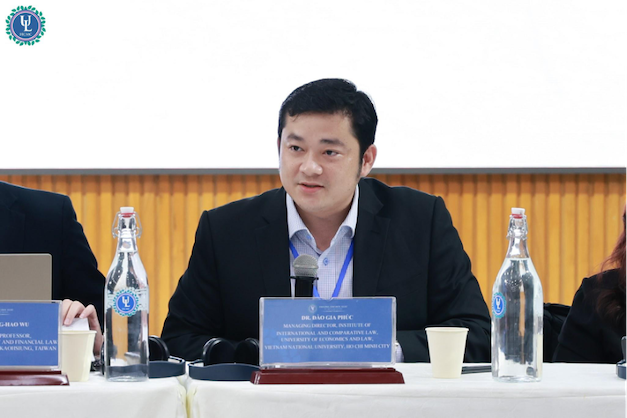
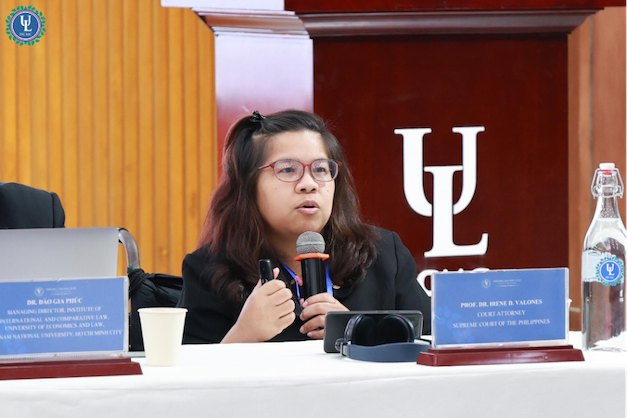
Presenters share their research and offer in-depth perspectives during Session 3.
Session 4 – “Carbon Markets, Climate Trade, and Corporate Practice”
The fourth session addressed the legal challenges of regulating carbon markets and advancing the green transition in Southeast Asia. The papers examined governing legal frameworks, market mechanisms, and the difficulties of ensuring transparency and integrity in carbon credit markets, with particular reference to Indonesia, Thailand, and Viet Nam. Other contributions considered the potential of carbon markets to enhance sustainability-related value in the real estate sector, the regulatory architecture of mandatory carbon markets, and the possibility of mutual recognition of emissions verification results among ASEAN countries in the context of the European Union’s Carbon Border Adjustment Mechanism (CBAM). Scholars also discussed legal issues arising under the cooperative approaches provided for in Article 6.2 of the Paris Agreement, alongside Singapore’s experience of cross-border carbon governance. The session thereby highlighted the need to strengthen legal frameworks, deepen regional cooperation, and improve the effectiveness of market-based mechanisms in achieving emissions-reduction objectives.
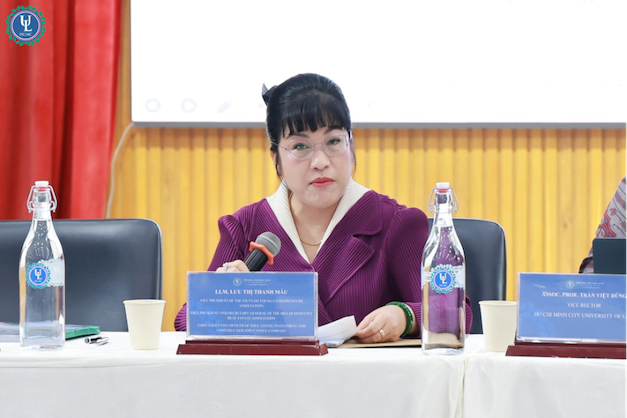
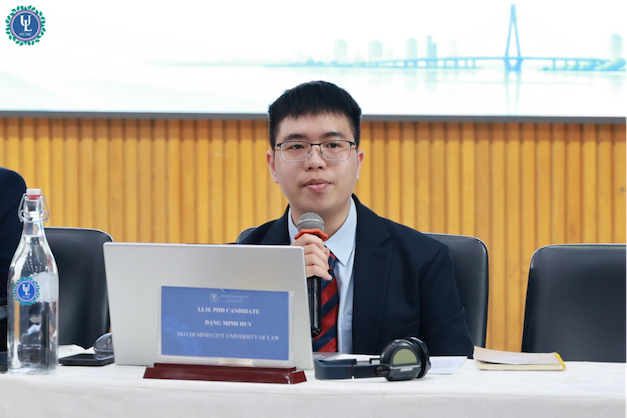
Speakers deliver presentations during Session 4 of the conference.
Session 5 – “Climate Litigation, Judicial Governance, and Dispute Resolution”
Taking a different analytical approach, the fifth session, co-chaired by Dr. Kate McKenzie, Managing Editor of Carbon & Climate Law Review (CCLR), and Assoc. Prof. Dr. Tran Thi Thuy Duong, Dean of the Faculty of International Law at Ho Chi Minh City University of Law, examined legal issues arising in climate litigation, judicial governance, and dispute resolution. The papers considered obligations to transition away from dependence on fossil fuels in light of the ICJ’s advisory opinion on climate change, together with the implications for investor–State dispute settlement (ISDS) in ASEAN. Other studies explored the expanding role of the judiciary in environmental governance; climate-related public policy exceptions to the recognition and enforcement of non-ICSID arbitral awards under Article V(2)(b) of the 1958 New York Convention; and the determination of applicable law in cross-border non-contractual liability disputes arising from climate change. The session also addressed emerging questions concerning ecocide, environmental accountability, and proposals for an ASEAN legal framework on ecocide. These contributions deepened the discussion of how judicial institutions and dispute settlement mechanisms might adapt to the evolving legal challenges posed by climate change.
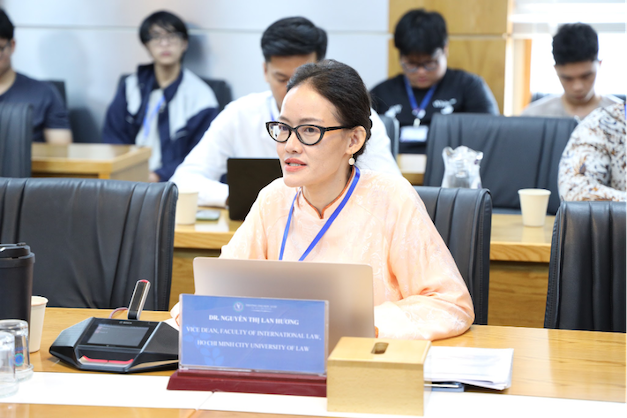
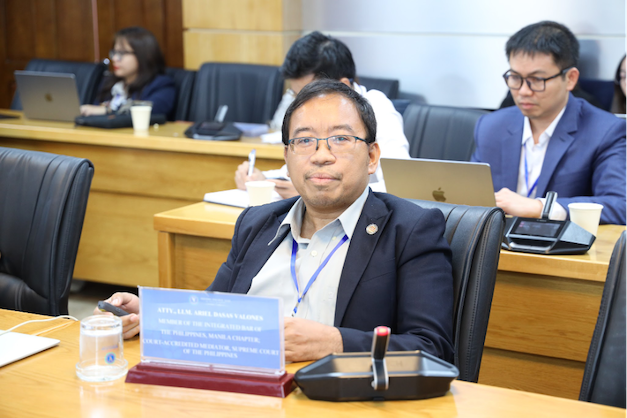
Speakers discuss States’ climate obligations, judicial governance, dispute resolution, and environmental legal responsibility during Session 5.
Session 6 – “Regional and Sectoral Climate Governance”
Continuing the programme, the sixth session investigated legal aspects of climate governance at the regional level and across sectors closely connected to sustainable development. The papers considered the potential of international investment treaties to facilitate investment in sustainable development from an ASEAN perspective, while also exploring airspace governance as a dimension warranting greater attention within Southeast Asia’s climate governance architecture. Further presentations examined the regulation of agricultural residue burning in Thailand in connection with the Greater Mekong Subregion; the potential application of virtual power purchase agreements (VPPAs) to green charging infrastructure across ASEAN countries; and institutional issues arising in the negotiations on an international legally binding instrument on plastic pollution under the Intergovernmental Negotiating Committee (INC). These lines of inquiry broadened approaches to climate governance and reinforced the need for closer coordination of legal and policy responses among States undergoing the green transition.
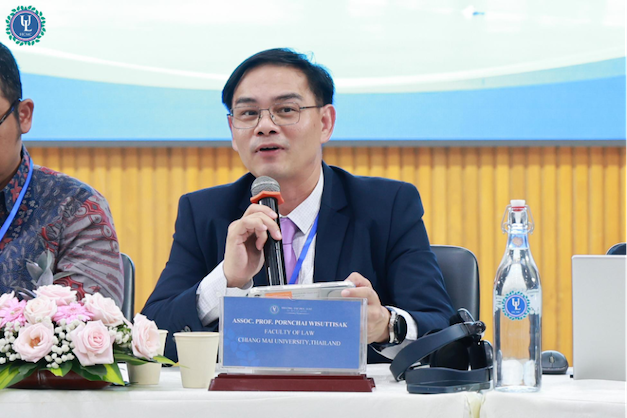
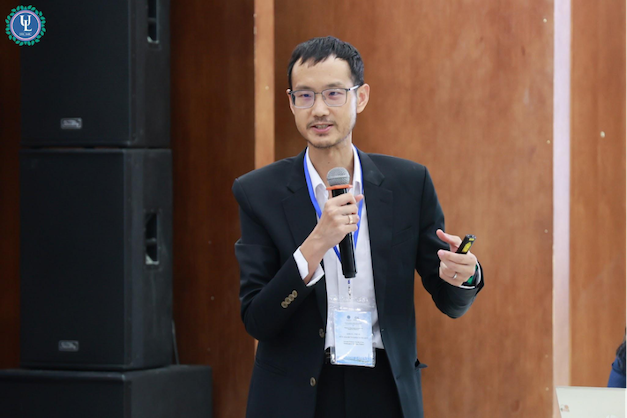
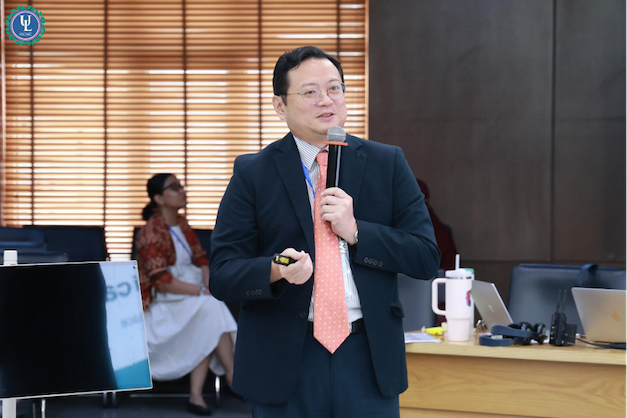
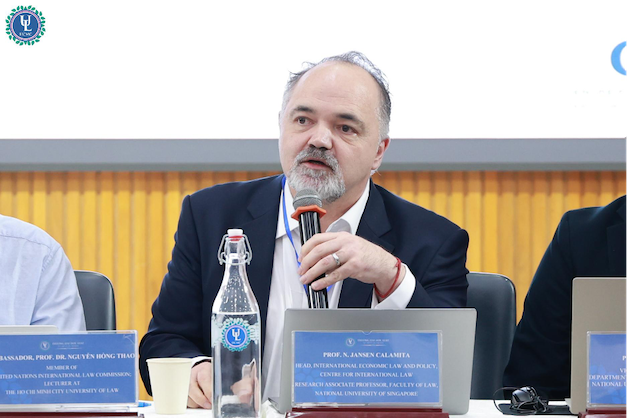
Speakers share their perspectives during Session 6 of the conference.
Session 7 – “Just Transition and Strategic Resources”
Further examining the legal imperatives of the region’s green transition, the seventh session was co-chaired by Prof. Dr. Arie Afriansyah, Professor of Law at the Faculty of Law, Universitas Indonesia, and Editor-in-Chief of the Indonesian Journal of International Law, and Assoc. Prof. Dr. Phan Hoai Nam, Vice Dean of the Faculty of International Law at Ho Chi Minh City University of Law. The session explored the relationships among sustainable development objectives, strategic resource governance, and the pursuit of equity throughout the transition. Papers considered the prospects for ASEAN cooperation in rare-earth resource governance in light of experiences from Indonesia and Viet Nam; obligations of international cooperation and equitable access to technologies underpinning the green transition amid the use of green trade measures; and the existing regulatory framework, legislative gaps, and directions for reform in green road transport in Viet Nam. Other research examined accountability in the just transition across Southeast Asia and the contribution of international trade law to climate governance, particularly through an analysis of procedural climate justice under the EU–Viet Nam Free Trade Agreement (EVFTA) and the Comprehensive and Progressive Agreement for Trans-Pacific Partnership (CPTPP). These perspectives clarified the legal and policy considerations essential to advancing an equitable green transition that takes account of the differing development circumstances of ASEAN Member States.
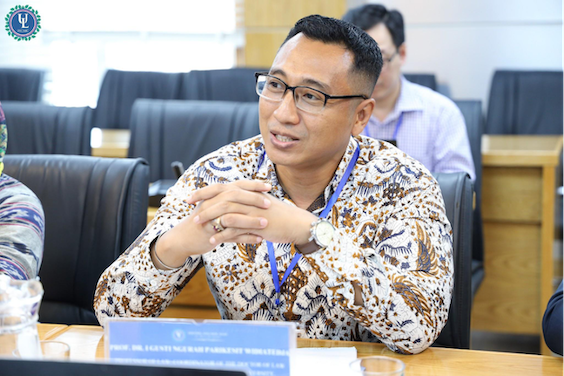
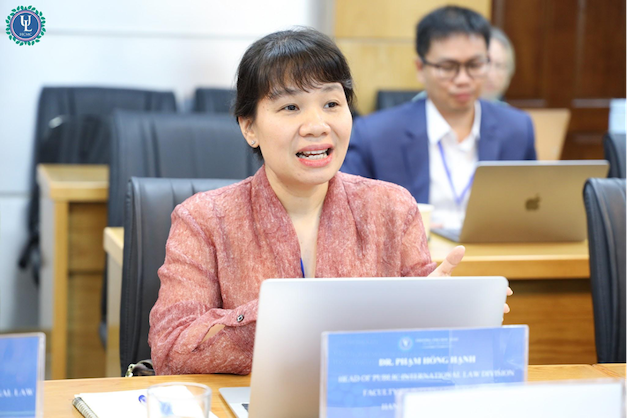
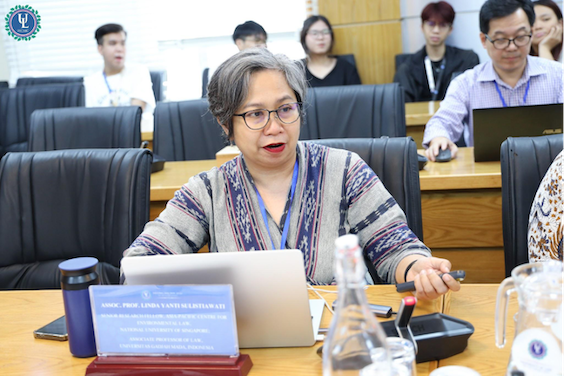
Experts and scholars present research on strategic resource governance, green trade, and equity in ASEAN’s green transition during Session 7.
A Dynamic Exchange of Perspectives on Southeast Asia’s Climate Response
During the discussion segment, speakers and delegates engaged in lively exchanges, bringing diverse disciplinary perspectives and professional experience to bear on the role of international law in addressing climate change in Southeast Asia. Their contributions not only clarified the legal, institutional, and governance challenges confronting the region but also identified potential approaches to strengthening regional cooperation, refining policy, and developing appropriate legal frameworks. Through this scholarly dialogue, participants were able to explore how research findings might inform policy formulation and implementation, with a view to improving the effectiveness of climate responses and advancing sustainable development throughout Southeast Asia.
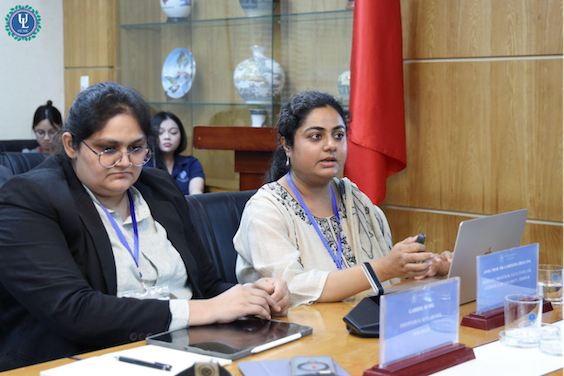
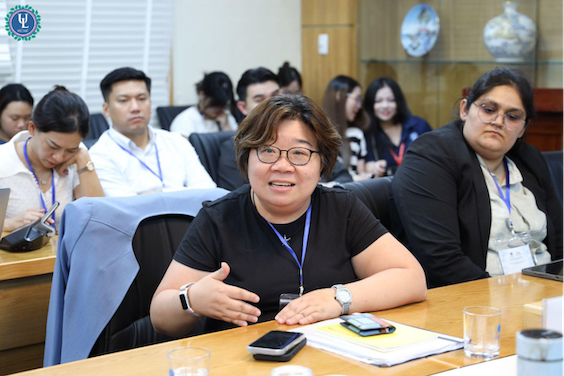
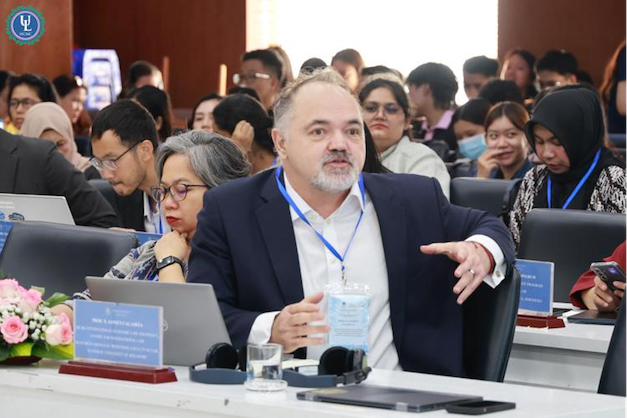
Experts and invited guests contribute a range of perspectives and insights during the open discussion.
ACCC5 2026 Concludes: Connecting Knowledge and Advancing Regional Cooperation on Climate Change
At the conclusion of its thematic sessions, ACCC5 2026 had facilitated substantive scholarly exchanges on the legal, institutional, and policy dimensions of climate action in Southeast Asia. From the role of international courts and tribunals and the protection of environmental rights and the interests of future generations to carbon market governance, dispute resolution, the green transition, and the management of strategic resources, the presentations brought into sharper focus the legal questions confronting States across the region. Beyond providing a forum for dialogue among national and international experts and scholars, the conference opened avenues for new approaches and collaborative initiatives aimed at strengthening the implementation of climate commitments, improving legal and policy frameworks, and advancing sustainable development across ASEAN.
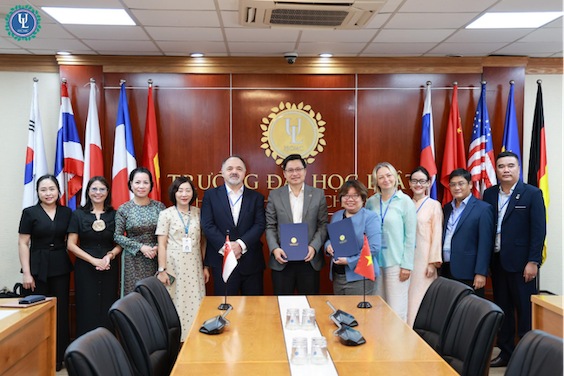
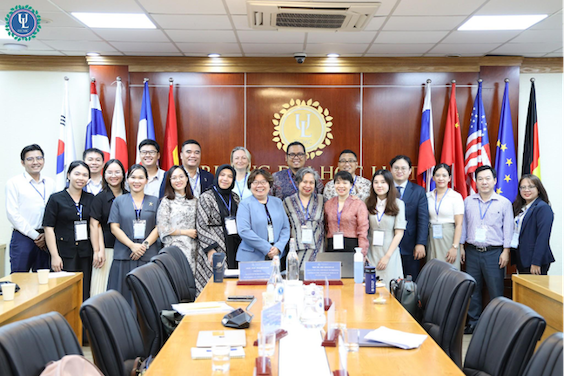
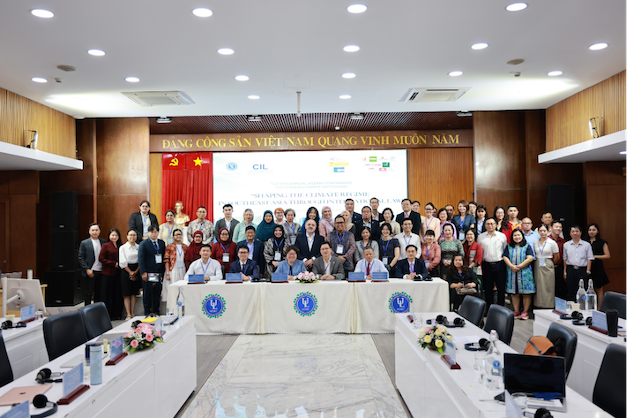
Experts, scholars, and invited guests gather for commemorative photographs.
Content: Tường Vy, Thuỳ Linh, Minh Triết
Photography: Nhật Nam, Mai Khánh, Phương Thy, Mai Hương
Produced by: Office of Communications and Corporate Relations