On 30 October 2026, the 5th Annual ASEAN Conference on Climate Change (ACCC5 2026), jointly organised by Ho Chi Minh City University of Law (ULAW) and the Centre for International Law at the National University of Singapore (CIL-NUS), was held in Ho Chi Minh City. Convened in the lead-up to COP31 in Antalya, Türkiye, the international forum brought together leading legal scholars and practitioners to explore the future architecture of regional climate governance, with human rights, social justice and international law at its core.
A Leading Regional Legal Forum Ahead of COP31
Held under the theme “Shaping the Climate Regime in Southeast Asia through International Law”, ACCC5 2026 took place at a critical juncture for Southeast Asian countries facing mounting pressures from global climate change. The collaboration between ULAW, one of Viet Nam’s key institutions for legal education and research, and CIL-NUS, a prominent centre for international legal scholarship in Asia, created a strategically significant platform for intellectual exchange and interdisciplinary dialogue.
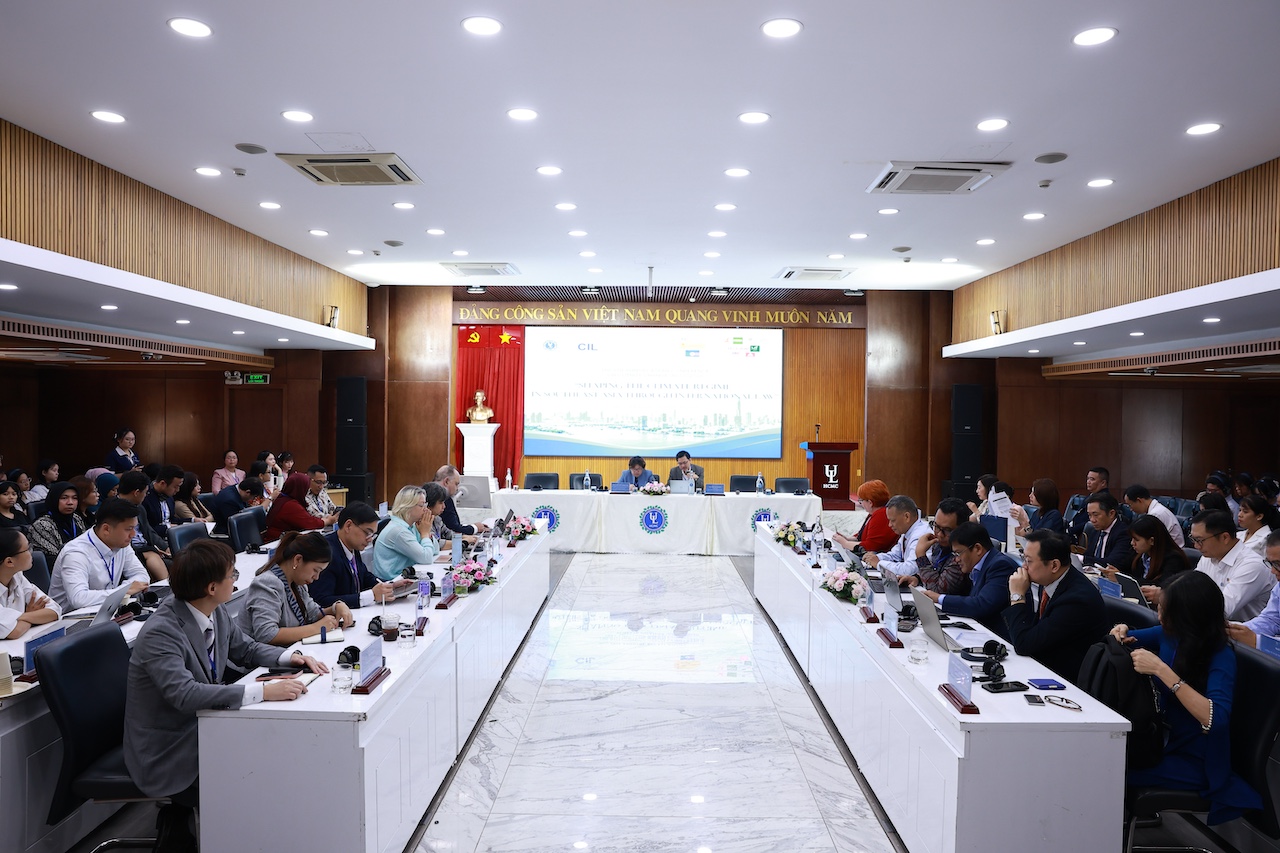
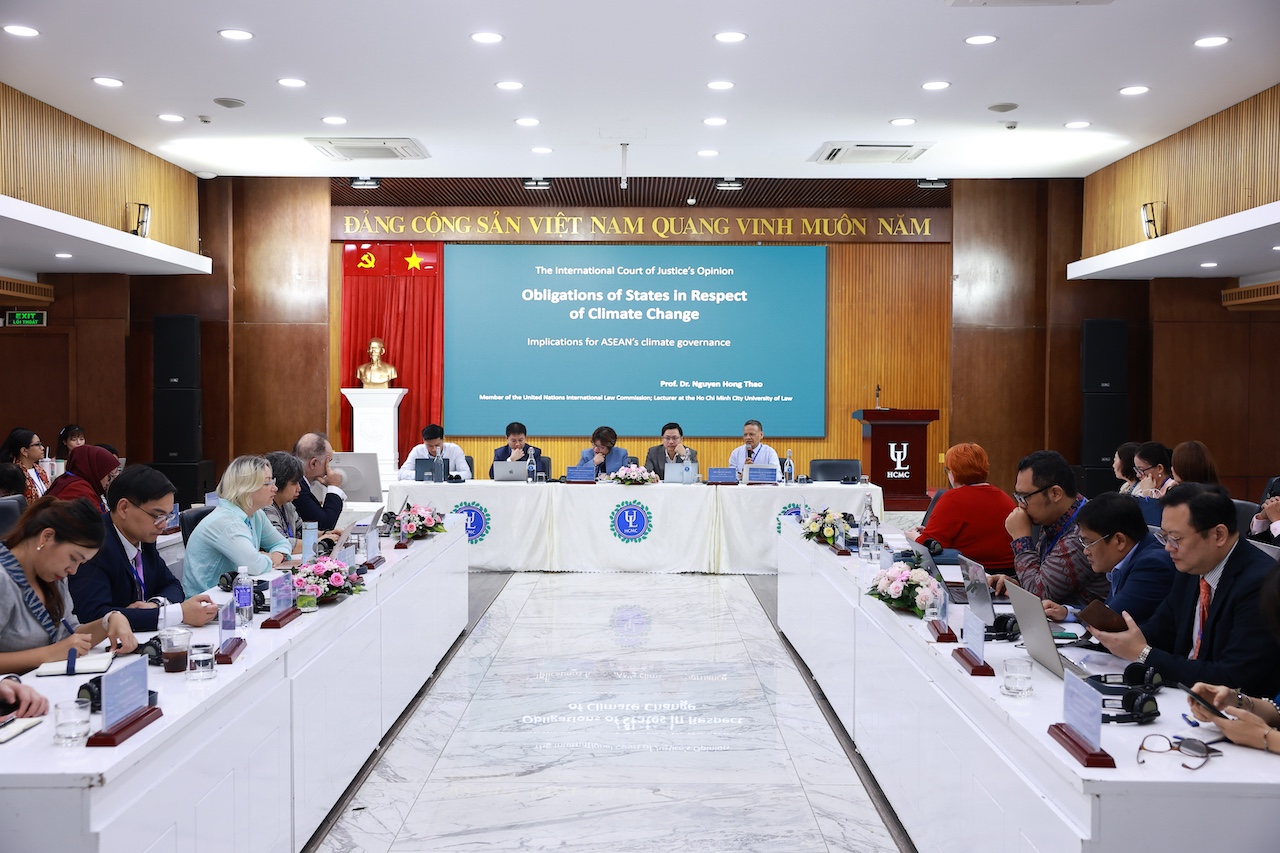
An overview of the conference
The conference adopted a hybrid format, combining in-person proceedings at ULAW’s Nguyễn Tất Thành Campus, 02 Nguyễn Tất Thành Street, Ho Chi Minh City, with online participation from international locations. Its international reach was reflected in the nearly 300 research abstracts received by the Organising Committee from scholars worldwide. Following a rigorous peer-review process, 36 outstanding academic papers were selected for presentation across seven thematic sessions and one plenary session.
Distinguished speakers and participants included Dr. Lê Trường Sơn, Secretary of the University Party Committee and Rector of ULAW; Assoc. Prof. Dr. Trần Việt Dũng, Vice Rector of ULAW; Ambassador and Professor Dr. Nguyễn Hồng Thao, Member of the United Nations International Law Commission (ILC) and lecturer at ULAW; Professor Emeritus Ki-Gab Park of Korea University School of Law, a former ILC member; Professor N. Jansen Calamita, Head of International Economic Law at CIL-NUS; Adjunct Associate Professor Danielle Yeow, Adjunct Senior Research Fellow and Lead of Climate Change Law and Policy at CIL-NUS; Professor Dr. Hsing-Hao Wu, Vice President for Administrative Affairs at the National University of Kaohsiung; and Professor Dr. Arie Afriansyah of the Faculty of Law, Universitas Indonesia, Editor-in-Chief of the Indonesian Journal of International Law.
They were joined by representatives of diplomatic missions, research institutes and the business community, as well as legal scholars and practitioners from Viet Nam and abroad.
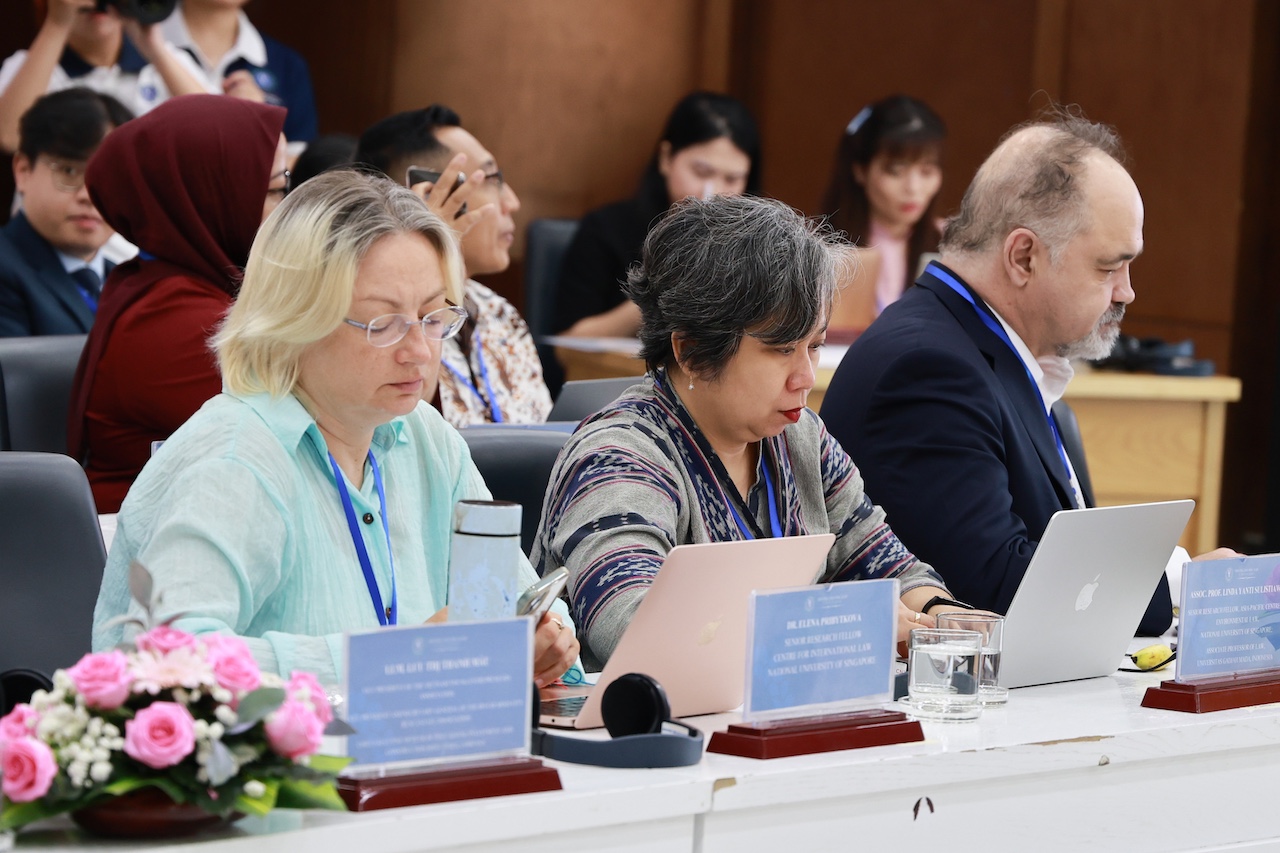
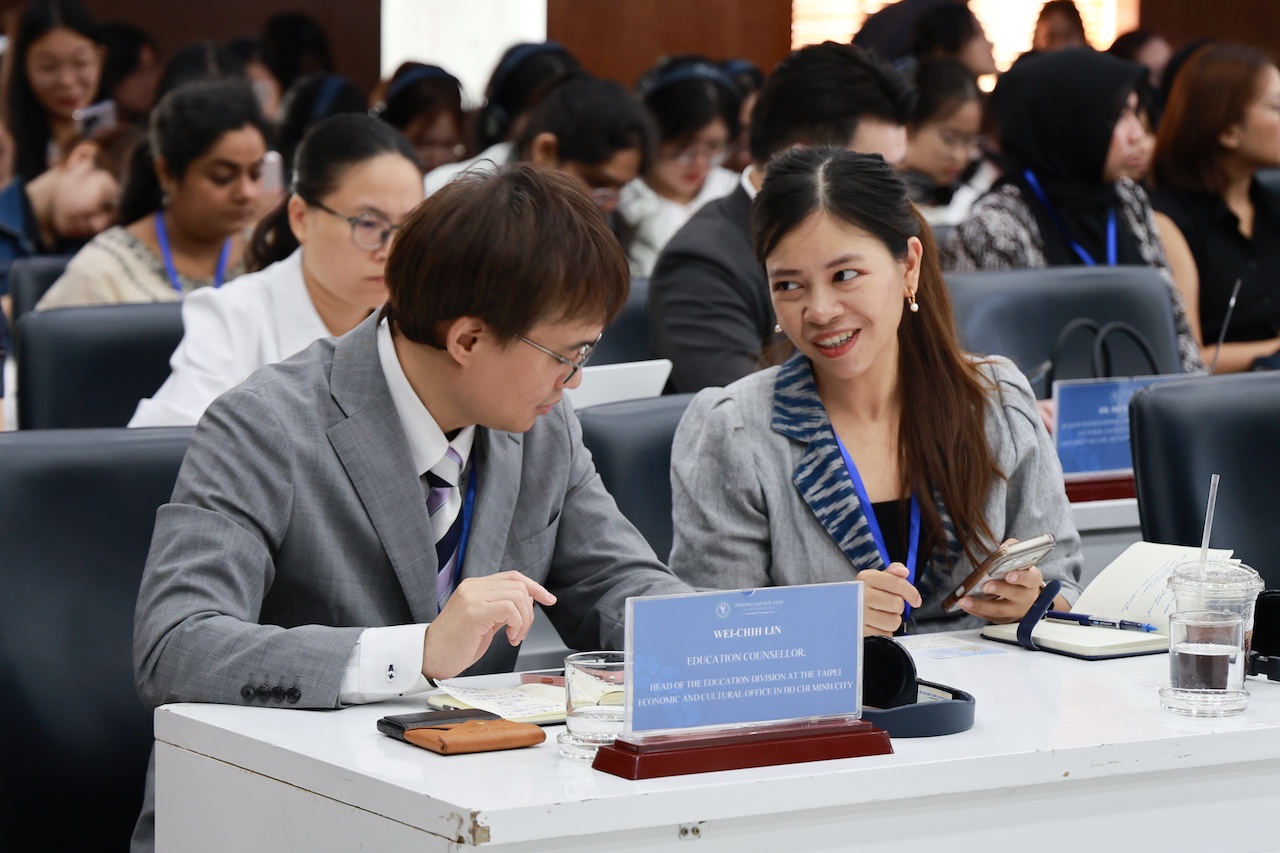
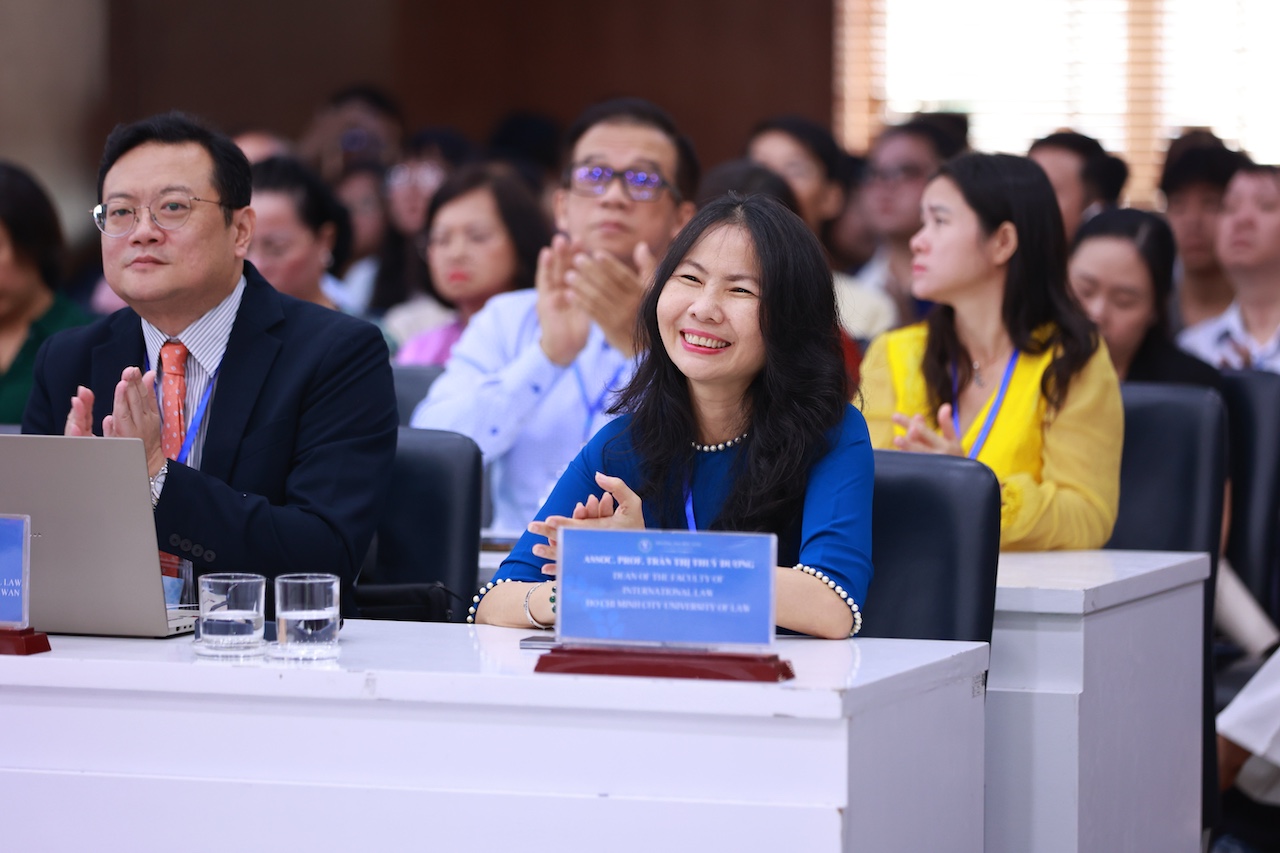
Delegates attending the conference
A Green Transition Must Safeguard Livelihoods and Social Justice
In his opening address, Dr. Lê Trường Sơn, Rector of ULAW, emphasised that climate change cannot be understood solely in terms of technical environmental challenges or emissions targets. Its consequences extend directly to the livelihoods of millions of coastal residents, the competitiveness of businesses and the prospects of future generations.
“Underlying the challenges posed by climate change are fundamental questions of rights, obligations and justice. Law must provide a robust foundation for translating climate commitments and targets into concrete measures that can be implemented, monitored and evaluated,” Dr. Lê Trường Sơn affirmed.
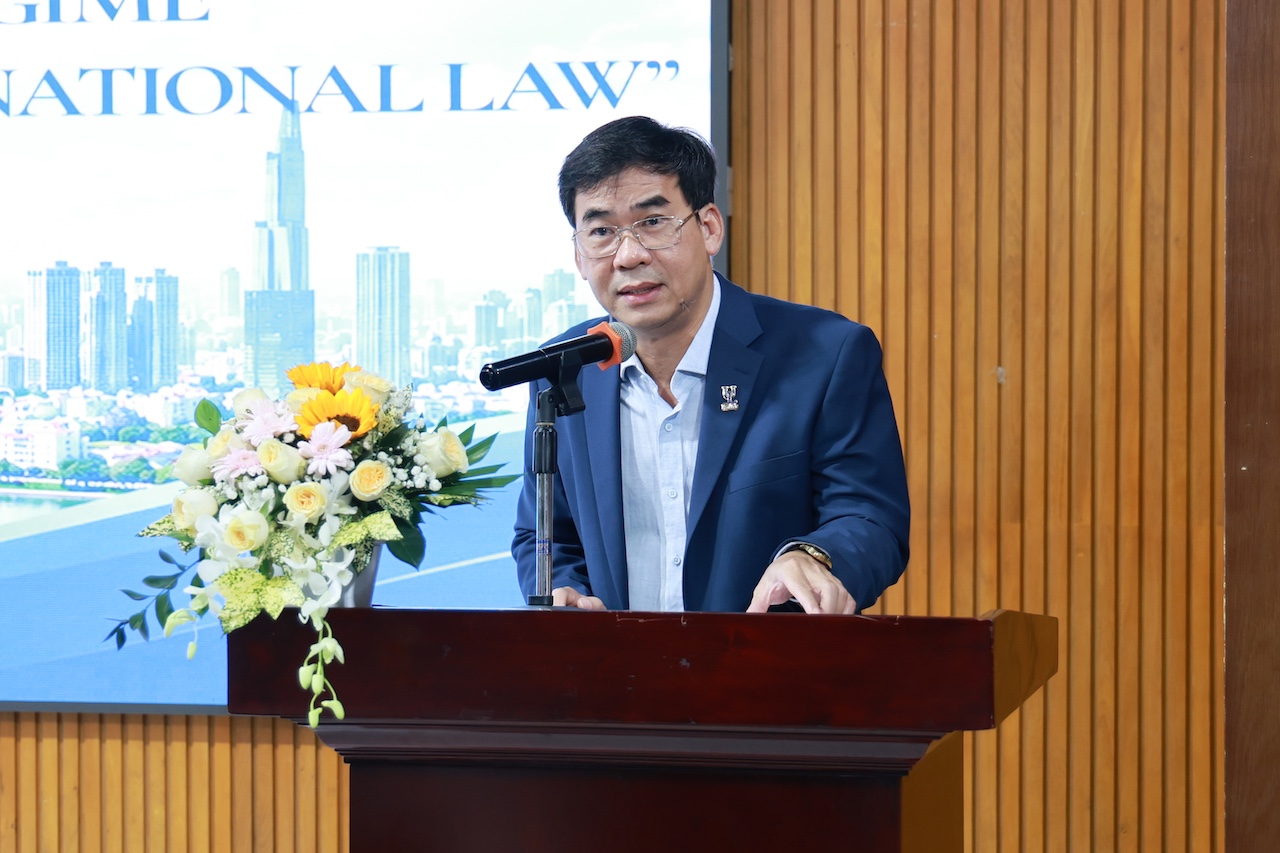
Dr. Lê Trường Sơn, Secretary of the University Party Committee and Rector of Ho Chi Minh City University of Law (ULAW), delivers the opening address
The Rector expressed his hope that the conference sessions would advance innovative legal frameworks capable of accelerating the green transition while effectively protecting vulnerable communities. In his view, the success of that transition must be measured not only by reductions in greenhouse gas emissions, but also by the extent to which it secures livelihoods, ensures safety and expands opportunities for sustainable human development. Such an approach, he stressed, reflects the social responsibility of a leading institution for legal education and research.
Echoing this perspective, Adjunct Associate Professor Danielle Yeow of CIL-NUS commended ULAW for its professional organisation of the conference. As climate change increasingly interacts with supply chains, trade, investment and the oceans in complex and interconnected ways, she underscored the need for interdisciplinary thinking and open dialogue in addressing climate-related challenges.
She further observed: “The outcomes of academic research must not remain confined to publications or conference rooms. Advisory opinions issued by international judicial bodies must inform governmental policymaking, business practices and civil society so that they generate meaningful real-world impact.”
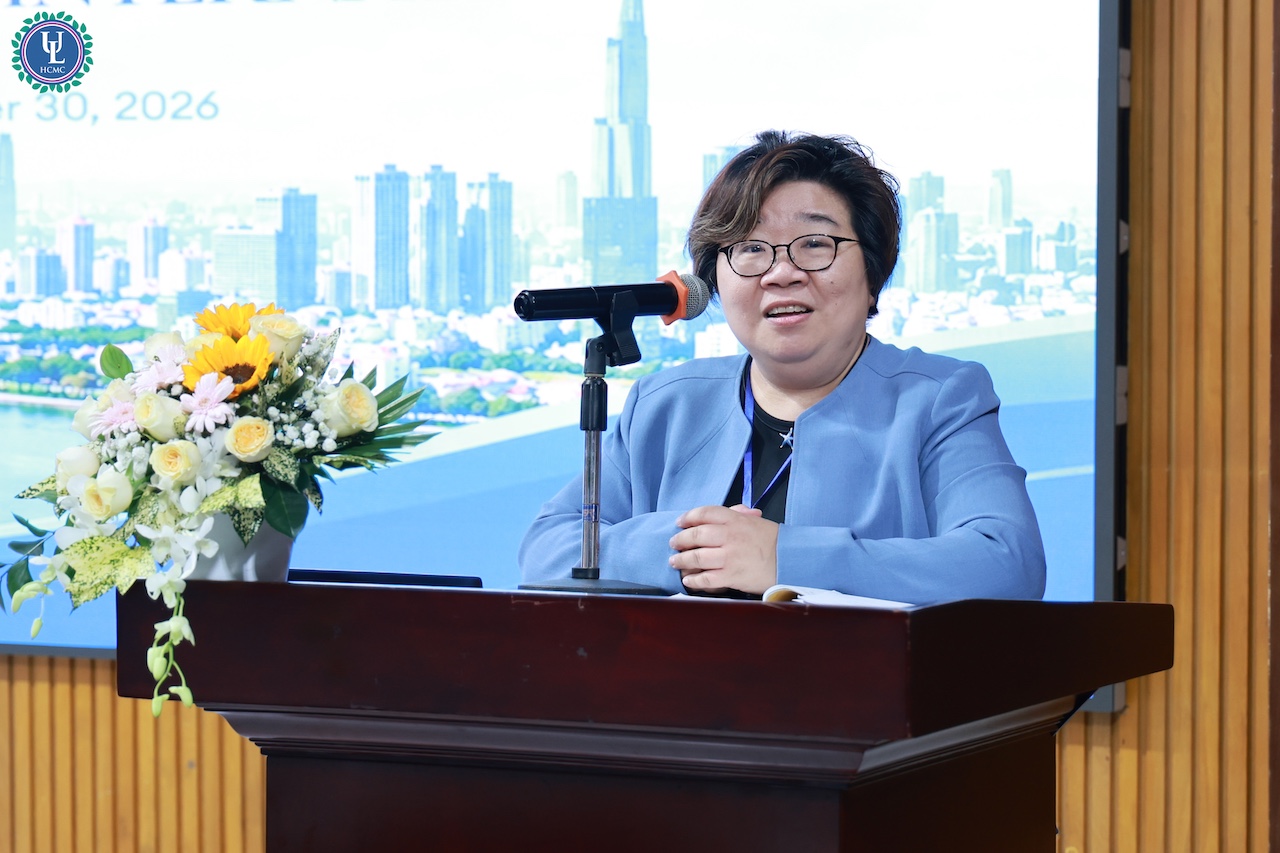
Adjunct Associate Professor Danielle Yeow, Adjunct Senior Research Fellow and Lead, Climate Change Law and Policy, at the NUS Centre for International Law (CIL-NUS), addresses the conference
International Judicial Pronouncements and Emerging Climate Obligations
A central focus of ACCC5 2026 was the evolving scope of States’ climate-related obligations in light of international judicial pronouncements. Participants examined two landmark developments: the 2024 advisory opinion of the International Tribunal for the Law of the Sea (ITLOS) concerning protection of the marine environment, and the 2025 advisory opinion of the International Court of Justice (ICJ) on the Obligations of States in respect of Climate Change.
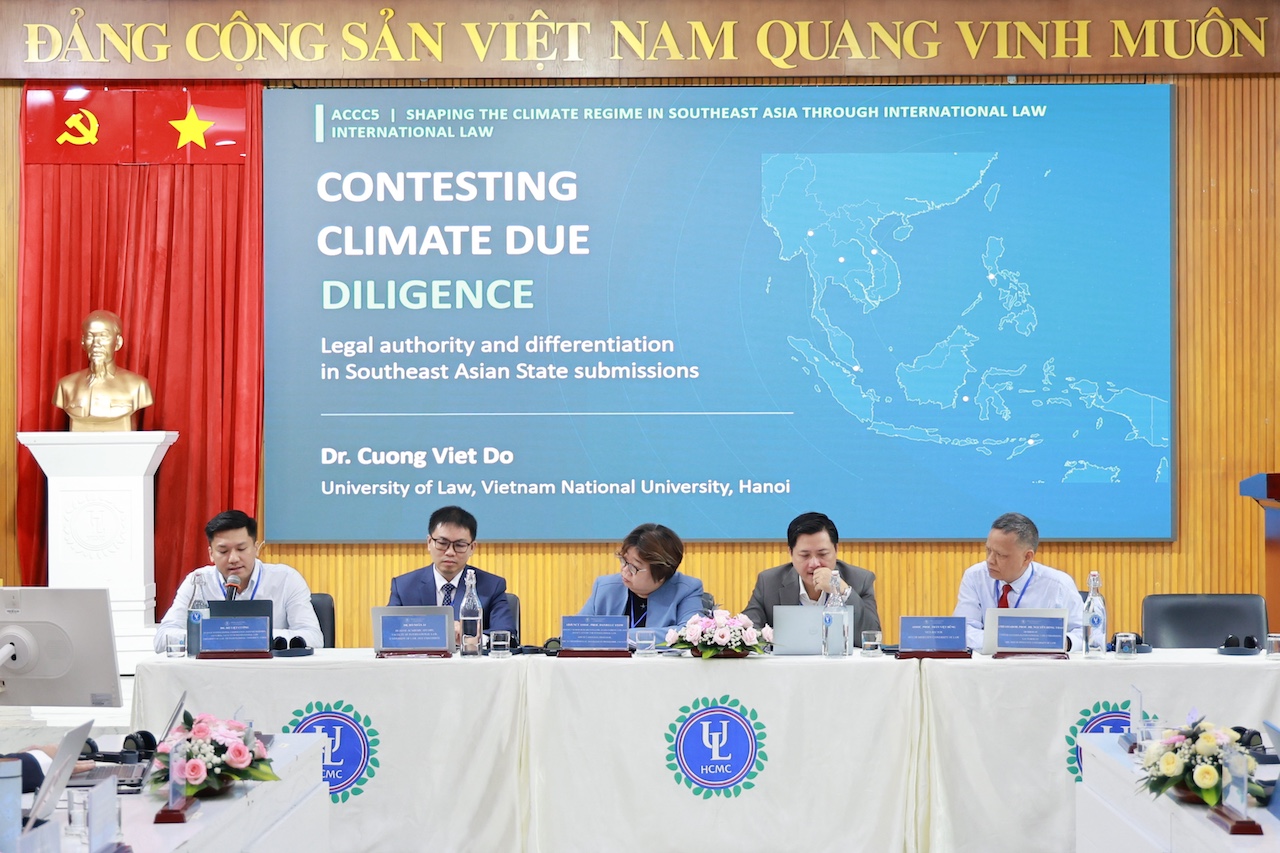
Chairs and speakers at Session 1: “International Climate Adjudication, Advisory Opinions and States’ Obligations”
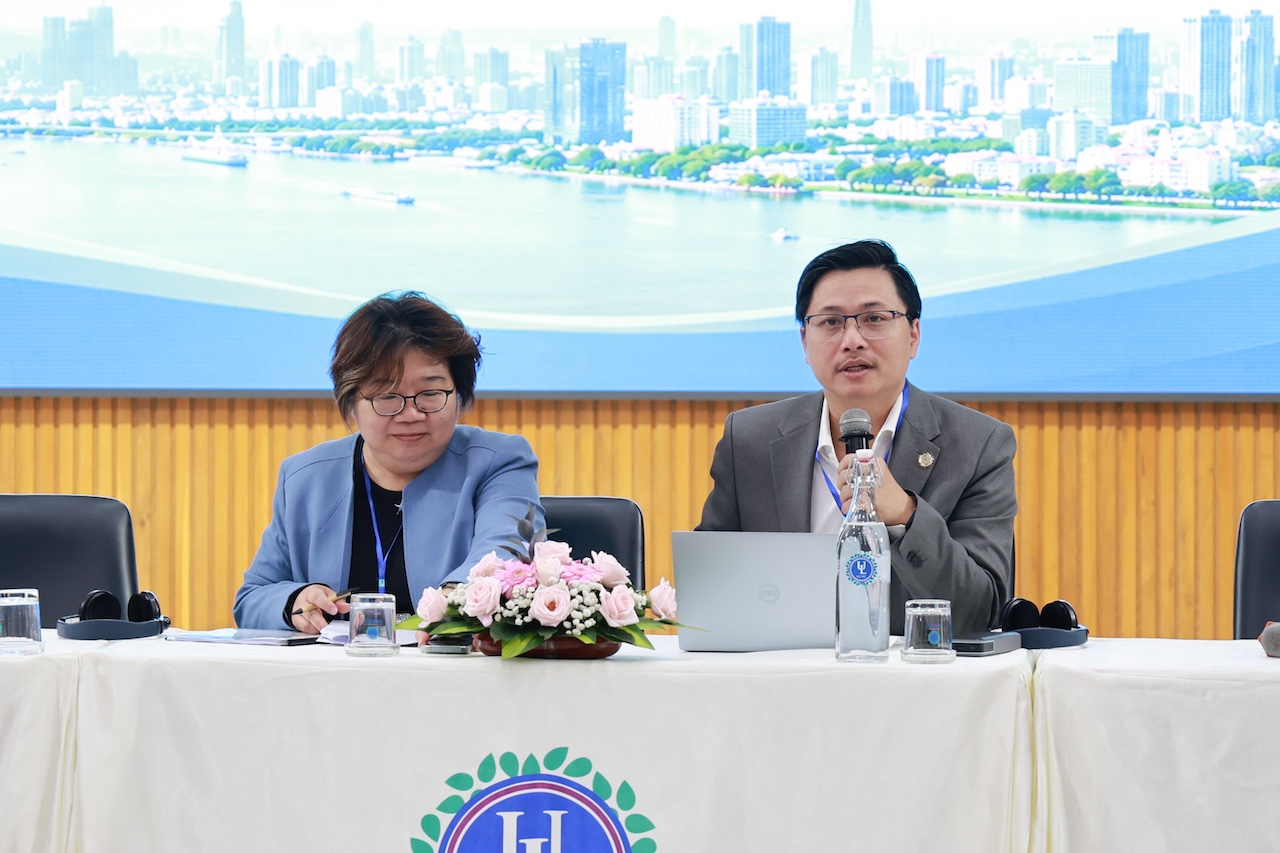
Assoc. Prof. Dr. Trần Việt Dũng, Vice Rector of ULAW, and Adjunct Associate Professor Danielle Yeow co-chair Session 1
In his presentation, Ambassador and Professor Dr. Nguyễn Hồng Thao, a member of the ILC, examined the significant legal implications of the ICJ advisory opinion for climate governance across ASEAN. Related papers addressed the duty of due diligence, the legal bases available to Southeast Asian States in international proceedings, and the challenge of preserving maritime baselines amid rising sea levels.
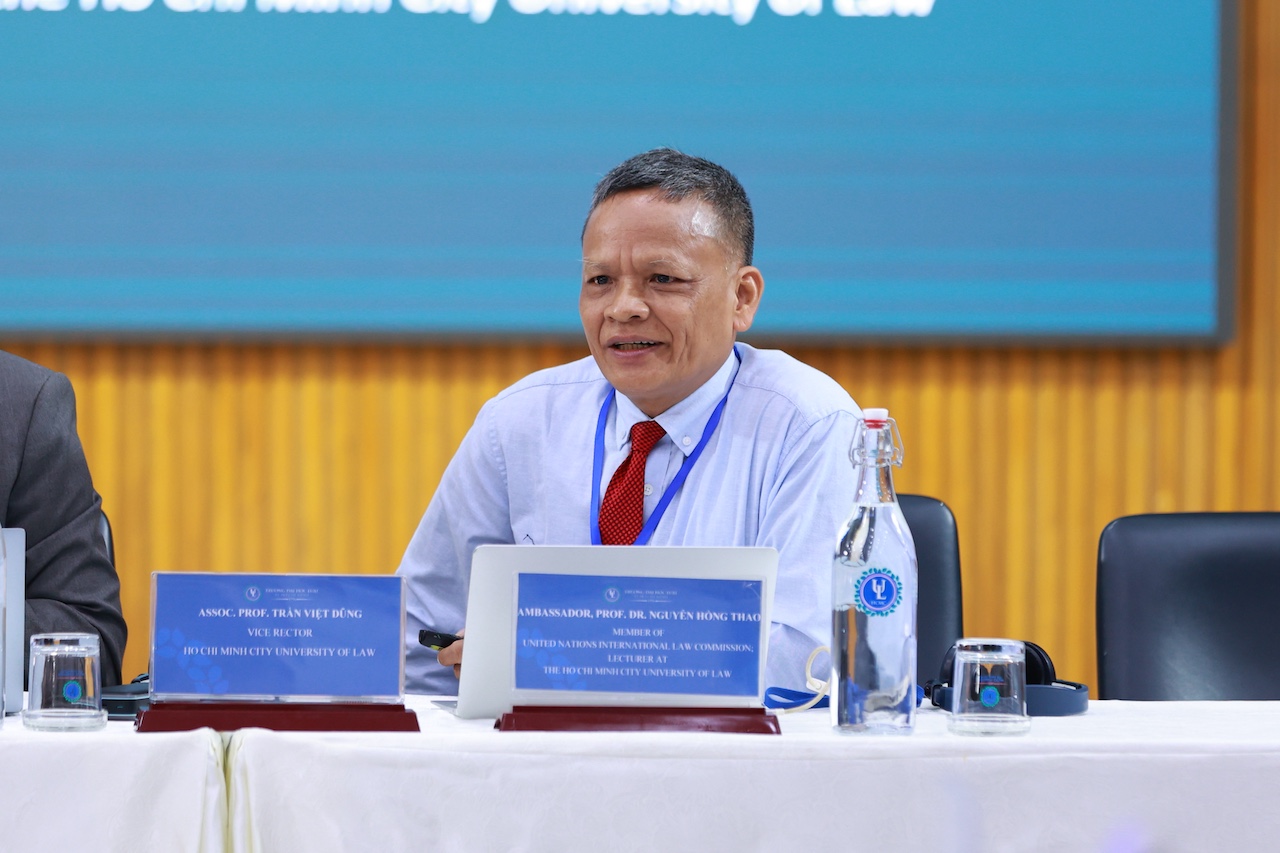
Ambassador and Professor Dr. Nguyễn Hồng Thao, Member of the United Nations International Law Commission and lecturer at Ho Chi Minh City University of Law, presents his research paper
The human rights dimensions of climate change also received sustained attention. A research team comprising Assoc. Prof. Dr. Nguyễn Toàn Thắng, Assoc. Prof. Dr. Nguyễn Thị Hồng Yến and PhD candidate Nguyễn Phương Dung examined the protection of the rights and interests of future generations through a human rights-based approach.
Their research identified the right to live in a safe and stable climate as a fundamental entitlement and highlighted the corresponding intergenerational legal responsibilities of present-day policymakers.
Carbon Market Governance, Distributive Justice and Green Supply Chains
From an economic governance perspective, the conference devoted substantial attention to the legal institutions governing carbon markets and international trade. A joint study by Professor Dr. Arie Afriansyah of Universitas Indonesia and Assoc. Prof. Dr. Trần Việt Dũng, Vice Rector of ULAW, offered a comparative legal assessment of carbon credit markets in Indonesia, Thailand and Viet Nam.
The study identified institutional fragmentation as a persistent obstacle and proposed legal design solutions intended to strengthen the integrity, transparency and effective operation of regional carbon credit markets.
Experts also analysed cooperative approaches under Article 6.2 of the Paris Agreement, including the prospect of mutual recognition of verified emissions outcomes among ASEAN Member States in response to the European Union’s Carbon Border Adjustment Mechanism (CBAM).
The distributive implications of climate justice for Viet Nam’s socio-economic landscape were further explored in research led by Assoc. Prof. Dr. Trần Thị Thùy Dương, Dean of ULAW’s Faculty of International Law, and her colleagues. Focusing on traditional craft villages and their integration into green production chains, the research cautioned that small-scale producer communities may be disproportionately disadvantaged or excluded unless environmental standards are accompanied by appropriate transition assistance.
Addressing the international trade dimension, Dr. Nguyễn Thị Lan Hương, Vice Dean of ULAW’s Faculty of International Law, examined procedural climate justice within new-generation free trade agreements, notably the EU–Viet Nam Free Trade Agreement (EVFTA) and the Comprehensive and Progressive Agreement for Trans-Pacific Partnership (CPTPP). Her analysis underscored the role of international trade law in bridging global climate commitments and their implementation.
Climate Litigation, Dispute Settlement and the Future of Governance
The worldwide growth of climate-related litigation is placing courts and tribunals at the centre of environmental governance. At ACCC5 2026, researchers working on climate litigation and dispute settlement considered emerging challenges ranging from investor–State dispute settlement (ISDS) to the determination of applicable law in cross-border non-contractual claims arising from climate-related disasters.
Of particular note, Assoc. Prof. Dr. Phan Hoài Nam, Vice Dean of ULAW’s Faculty of International Law, and his co-authors presented research on the application of the public policy exception under Article V(2)(b) of the 1958 Convention on the Recognition and Enforcement of Foreign Arbitral Awards (New York Convention) to the recognition and enforcement, within ASEAN, of non-ICSID arbitral awards arising from climate-related disputes.
Discussions also extended to several emerging strategic areas of governance:
Sustainable investment. Professor N. Jansen Calamita of CIL-NUS explored how international investment treaty networks could be leveraged to attract capital for the green transition across ASEAN.
Strategic resources. Participants considered opportunities for cooperation between Viet Nam and Indonesia in the governance of rare-earth supply chains.
Energy transition and infrastructure. Topics included virtual power purchase agreements (VPPAs) for electric-vehicle charging stations, airspace governance and the regulation of agricultural residue burning in the Mekong subregion.
Global institutions. The conference also considered ongoing negotiations towards an internationally legally binding instrument on plastic pollution.
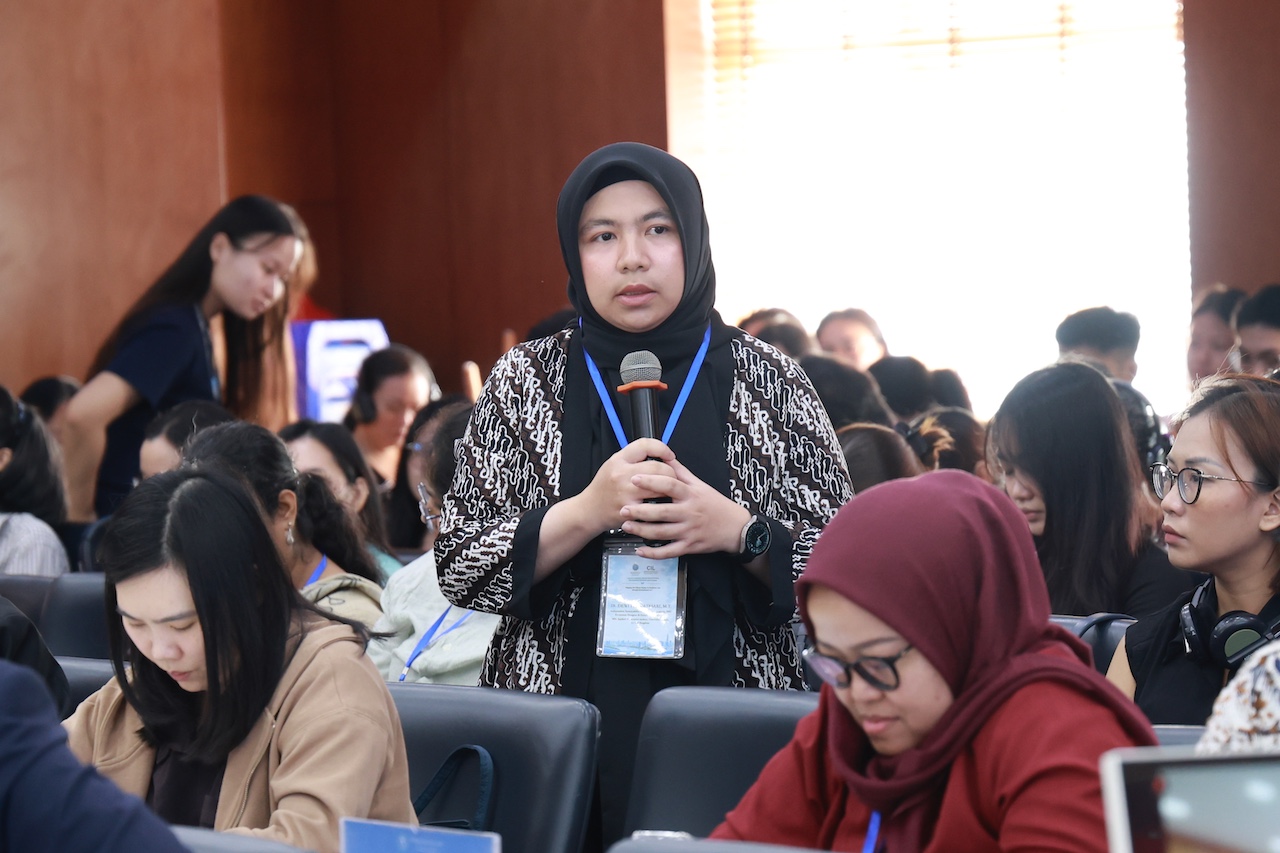
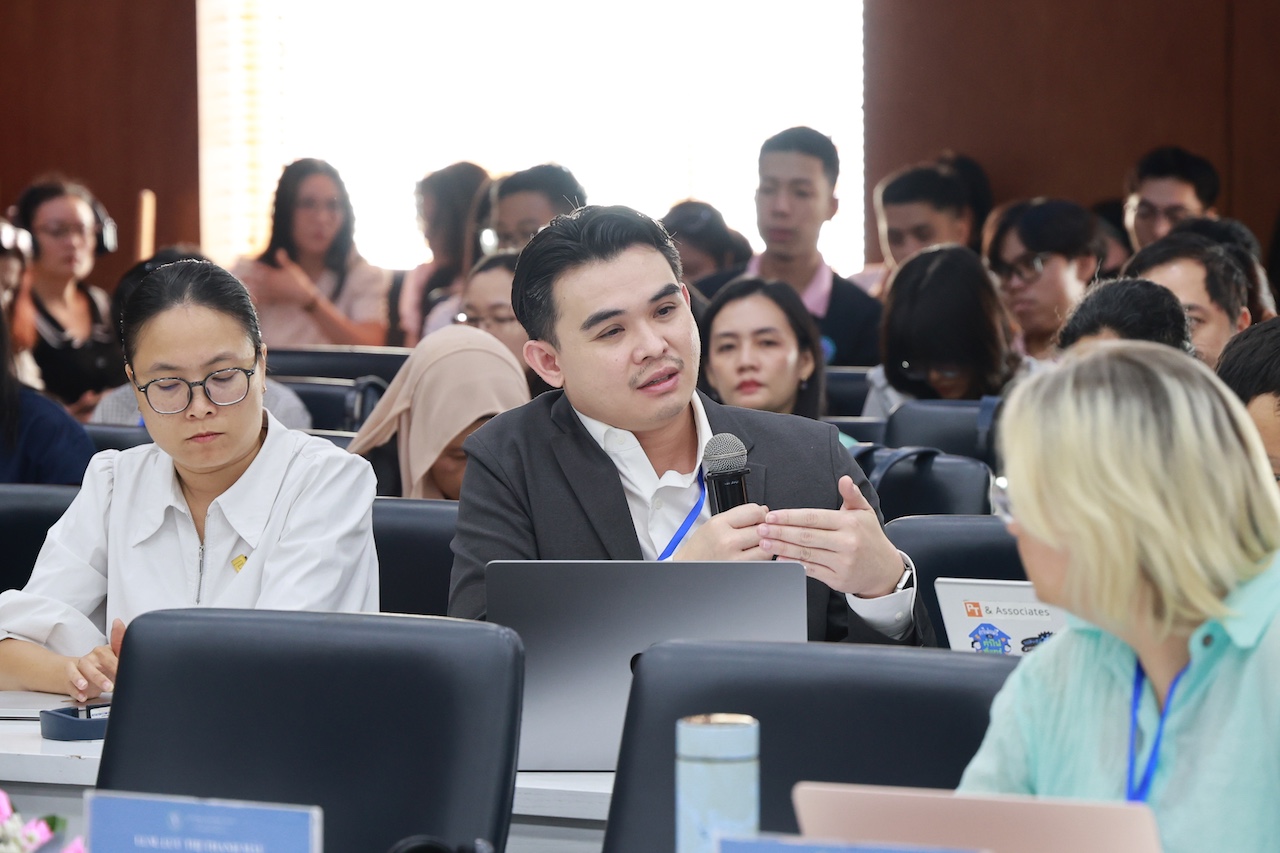
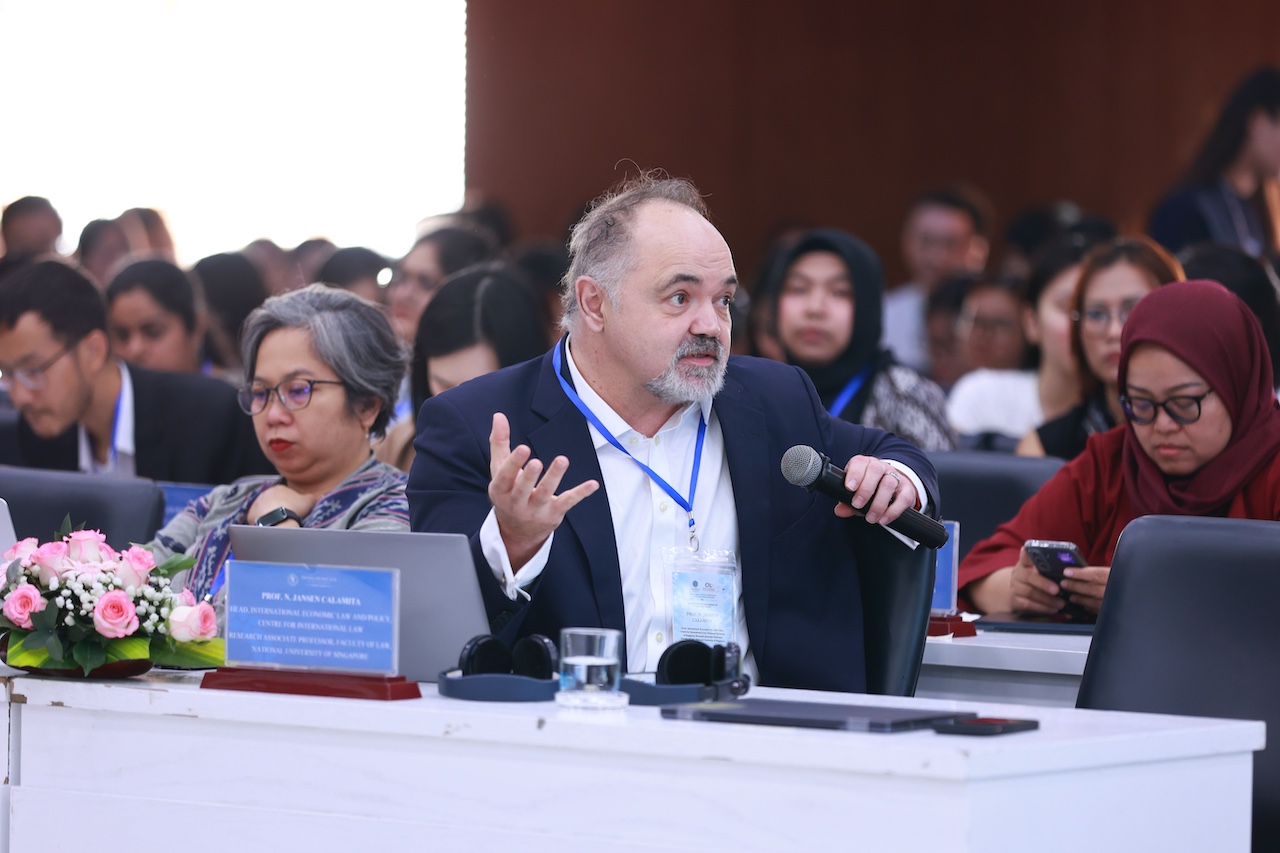
Delegates share their perspectives and contribute to the conference discussions
Strengthening the International Standing of Vietnamese Legal Scholarship
The significance of ACCC5 2026 extended beyond the successful convening of an international academic forum. It marked another step forward in ULAW’s strategy for scientific research development and international integration through 2030, with a vision to 2045.
By hosting a major forum and engaging in substantive academic cooperation with CIL-NUS, international judicial institutions and leading universities across the region, ULAW reinforced its role as a hub for legal scholarship and as a bridge between academic inquiry and the practical policy needs of Viet Nam and Southeast Asia.
Although ACCC5 2026 has concluded, its scholarly exchanges, proposals and research findings offer valuable scientific and legal perspectives for ASEAN Member States in the run-up to COP31. Above all, the conference articulated a compelling imperative: Southeast Asia must move more decisively from international climate commitments to effective regional legal arrangements that reconcile economic development, environmental responsibility and the rights and interests of its people in a sustainable and equitable manner.
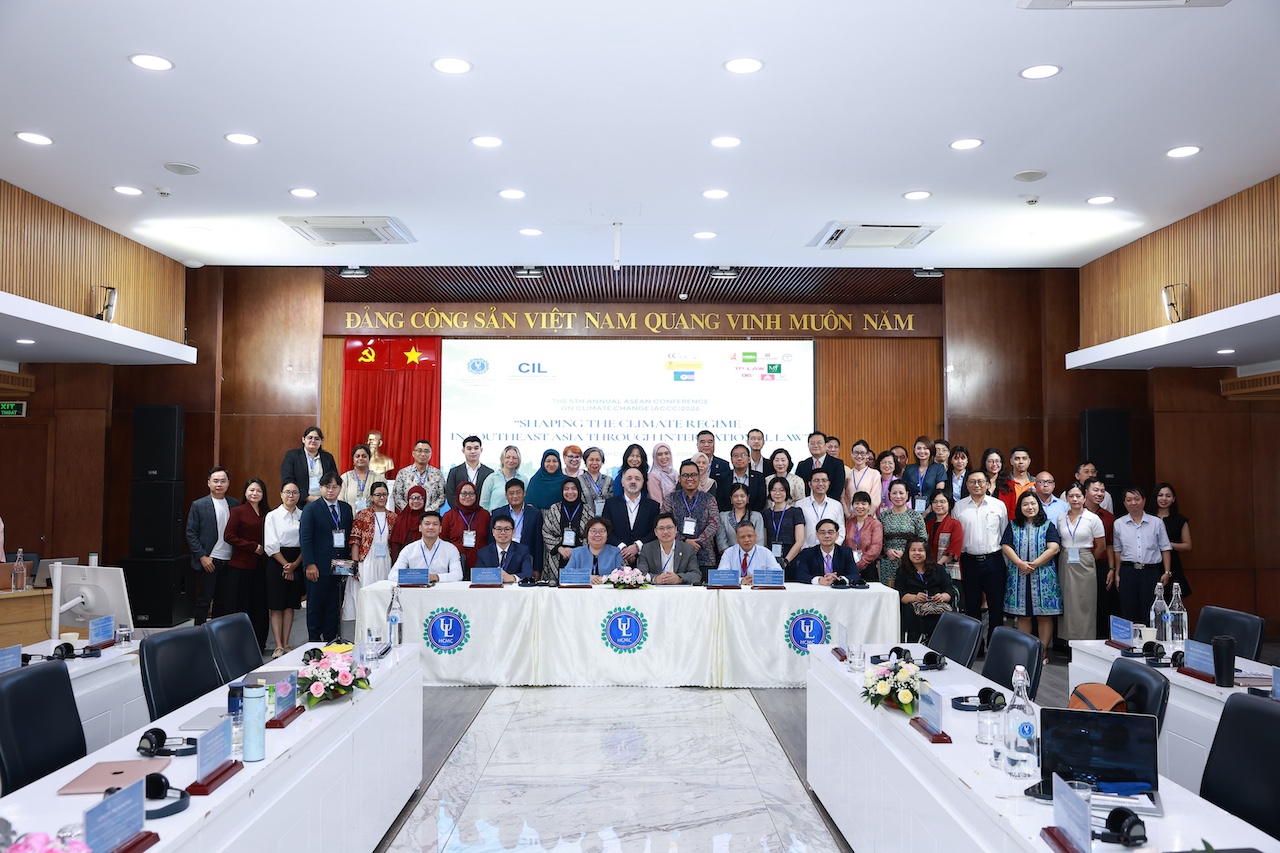
Delegates pose for a commemorative photograph at the conference
Prepared by: Department of Communications and Enterprise Relations