On September 30, 2022, the Prime Minister of the Socialist Republic of Viet Nam promulgated Decision No. 1156/QD-TTg dated September 30, 2022 approving the Overall Scheme on further building Hanoi Law University and Ho Chi Minh City University of Law into key universities in training law officers. Following three years of determined implementation (2023–2025), Ho Chi Minh City University of Law (ULAW) has achieved substantial and measurable progress, contributing to a comprehensive transformation in training scale, academic quality, scientific research capacity, and institutional governance. These outcomes affirm ULAW’s role as a leading institution within Viet Nam’s legal education system and as a key contributor to judicial reform and international integration.

A Strong Transformation in Training Scale and Structure
In fulfilling its mission to train high-quality legal human resources serving judicial reform and international integration, during the 2023–2025 period, ULAW proactively expanded its training scale in a stable and well-controlled manner, aligned with the capacity of its academic staff and existing physical infrastructure.
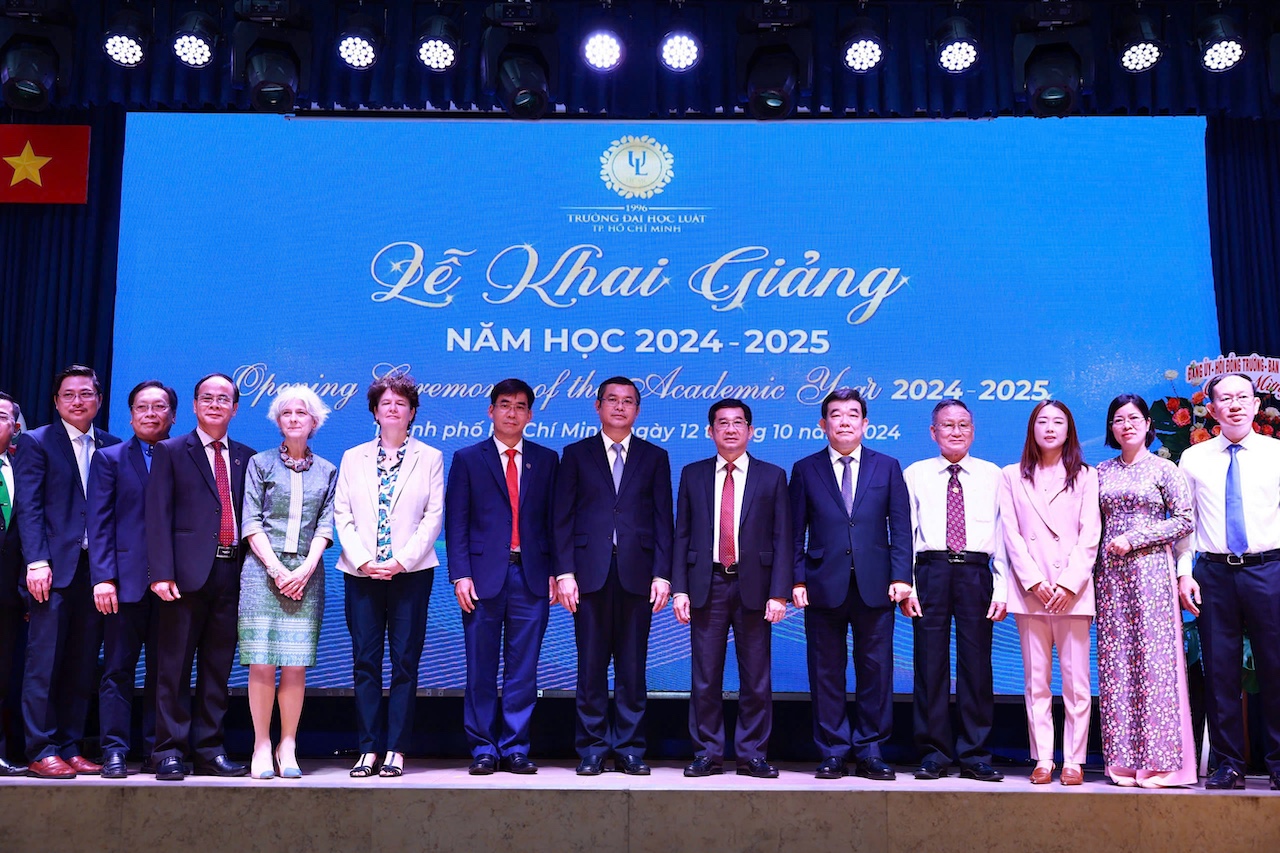
Statistical data demonstrate impressive and sustainable growth:
· The total number of learners increased from 11,414 in 2023 to 12,032 in 2024, reaching 14,340 in 2025.
· The training structure underwent a positive transformation, prioritizing the expansion of full-time programs while gradually reducing part-time and in-service programs in order to enhance overall quality. Specifically, the number of full-time first-degree undergraduate students increased by an average of approximately 11.3% per year, while part-time and in-service enrollment decreased by approximately 18.95% per year, in line with societal demand.
· Notably, postgraduate education was significantly strengthened: the number of master’s students increased from 752 in 2023 to 1,274 in 2025, and the number of doctoral candidates nearly doubled from 78 to 144 during the same period.
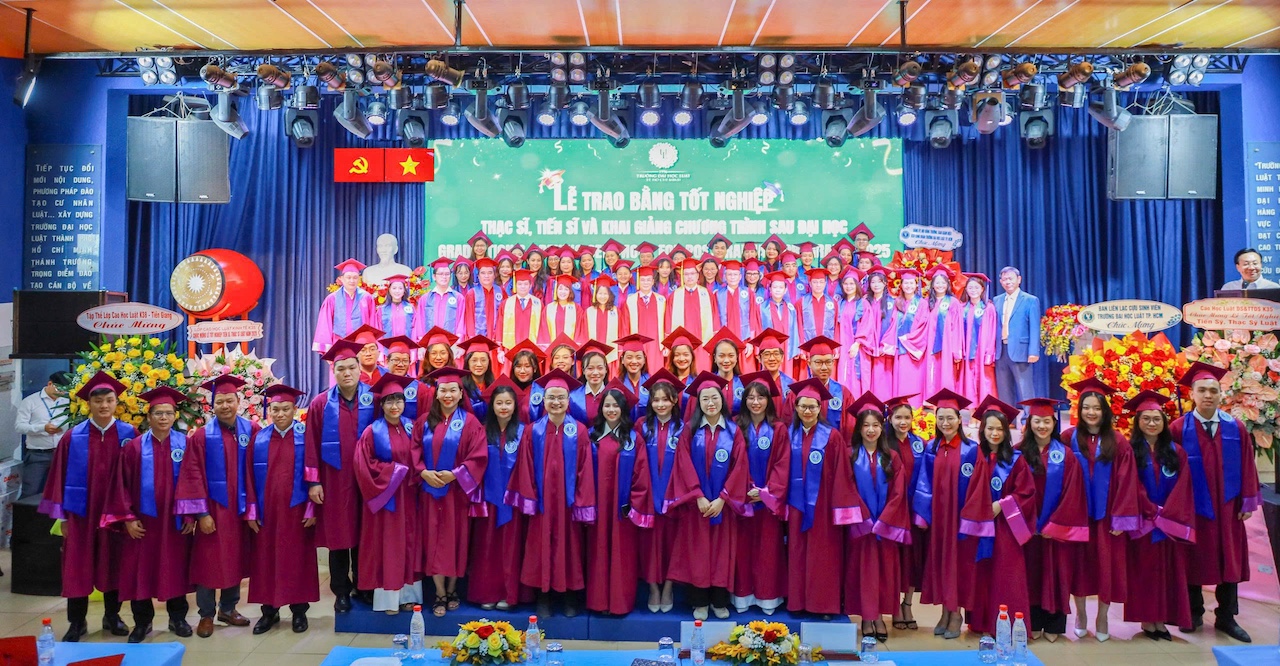
These results demonstrate that the University has not pursued numerical expansion alone, but has instead focused on meeting society’s substantive demand for highly qualified legal professionals.
Pioneering New Academic Programs and Standardizing International Training
One of the most prominent highlights over the past three years has been ULAW’s dynamism in developing new academic programs, proactively responding to the requirements of the digital era and international integration.
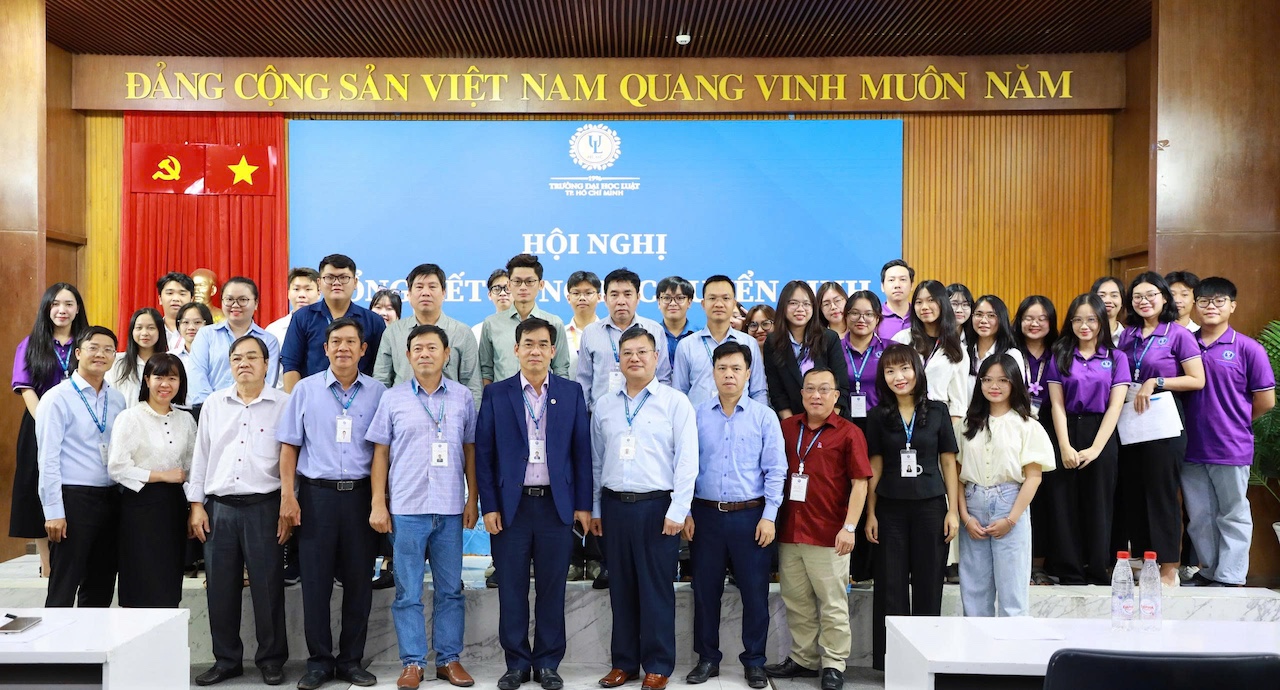
As of 2025, ULAW is enrolling and training students in seven (07) undergraduate majors. In addition to its traditional core strengths— including Law, Law and Business Administration and International Trade Law, the University officially launched and commenced enrollment in two newly approved undergraduate majors, namely International Business and Finance and Banking, in accordance with its enrollment schemes approved by competent authorities At the postgraduate level, starting from the 2026 academic year, ULAW will begin enrolling students in Master of Laws programs and Master’s programs in Business Administration, thereby advancing an interdisciplinary training orientation that integrates legal expertise with economic and financial knowledge to meet the pressing demands of the contemporary labor market.
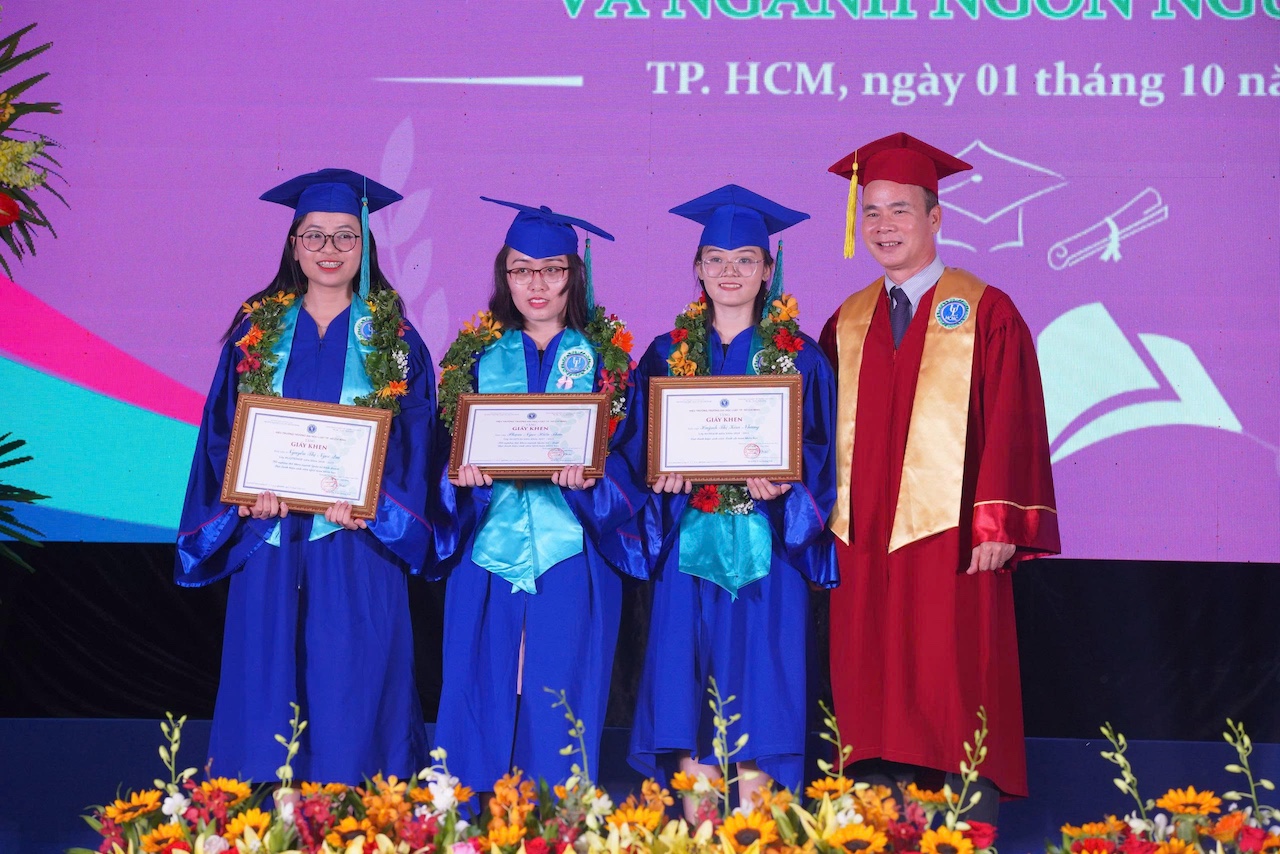
ULAW’s training system has been diversified into a total of thirteen (13) academic programs, among which notable emphasis is placed on High-quality training programs, including undergraduate programs delivered in English; and Joint and dual-degree training programs implemented in cooperation with international partners.
Prominent among these is the dual undergraduate degree program in Law conducted in partnership with the University of Arizona (United States), which represents a key milestone in the University’s international integration and academic standardization efforts.
Flagship programs—such as the High-Quality Bachelor of Law Program, the Master of Laws in Civil Law and Civil Procedural Law, and the Master of Laws in Economic Law—continue to be identified as spearhead programs. These programs attract strong interest from learners and have received positive recognition from society for their academic rigor and practical relevance.
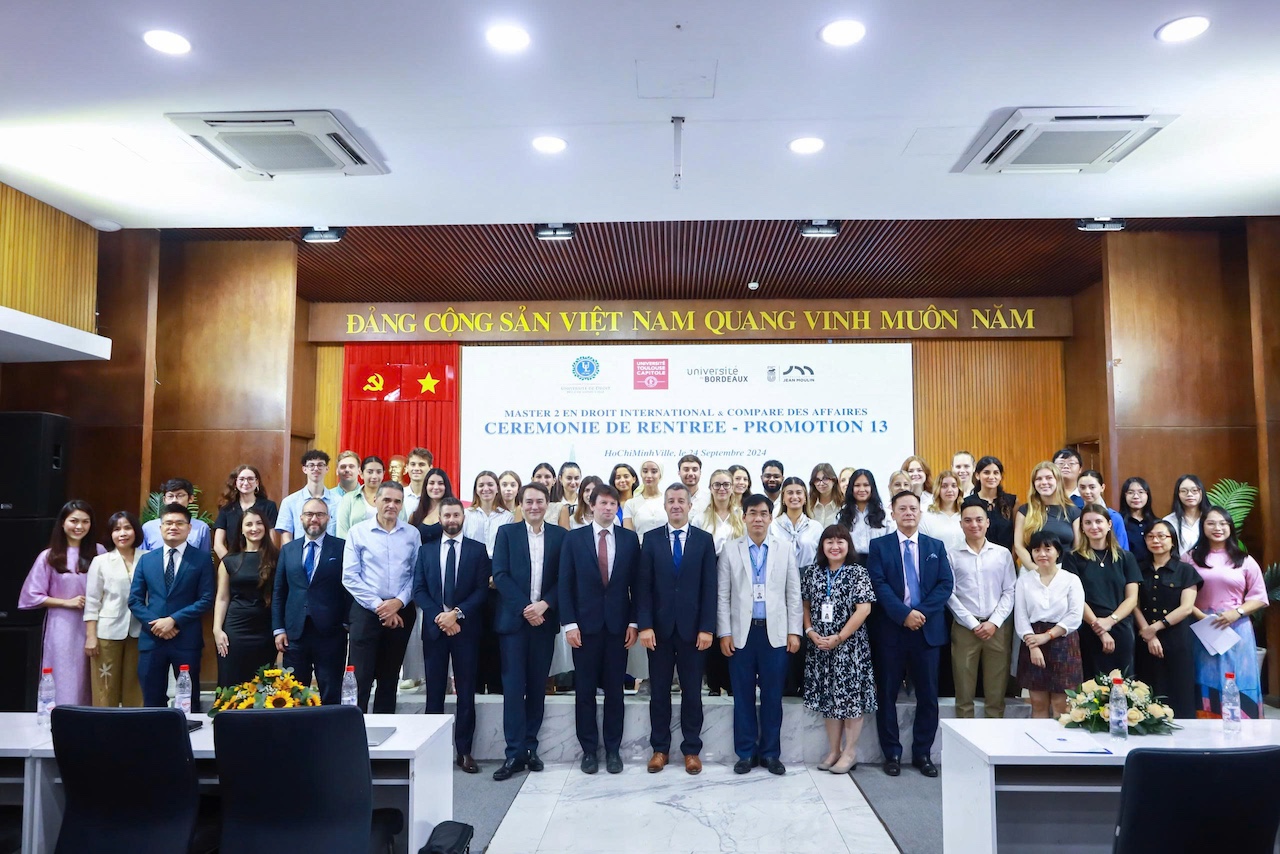
Academic Staff: The Backbone of a Key Law University
Recognizing human resources as the decisive factor, ULAW has devoted substantial efforts to developing its academic staff in both quantity and quality, in alignment with the stringent objectives set out in Decision No. 1156/QD-TTg.
· Staff size: Achieved 100.85% of the assigned target.
· Academic qualifications: The proportion of lecturers holding doctoral degrees reached 40.22%.
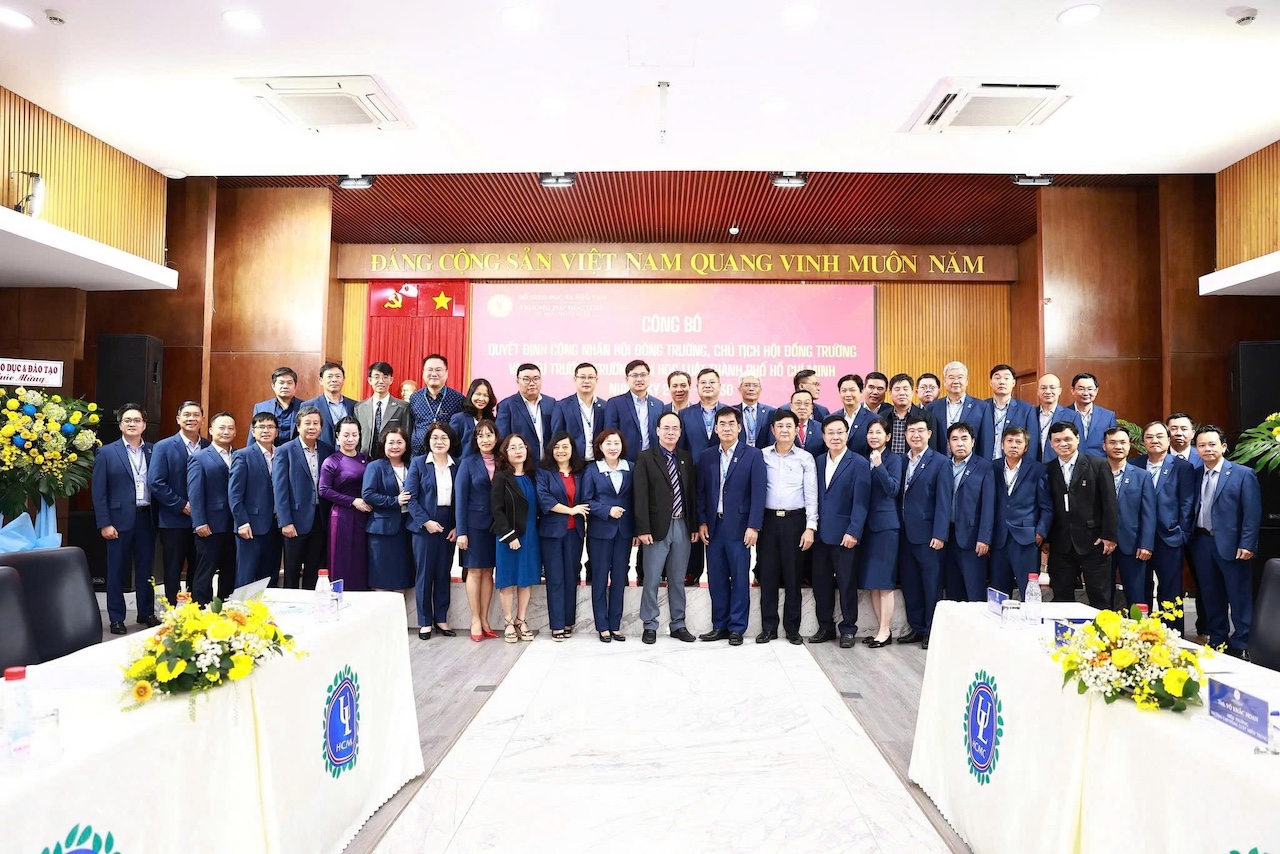
Although the proportion of Associate Professors and Professors (7.64%) remains a shared challenge requiring further efforts in the coming period, the rapid growth of a young cohort of doctoral lecturers—systematically trained in advanced countries—has injected new momentum into ULAW’S teaching and research activities. The student-to-lecturer ratio has consistently been maintained at an ideal level (approximately 21–22 students per lecturer), ensuring high-quality academic interaction and effective knowledge transmission.
Scientific Research: International Reach and Student Engagement
Over the past three years, scientific research activities at ULAW have experienced substantial advancement, shifting from extensive participation to substantive academic depth.
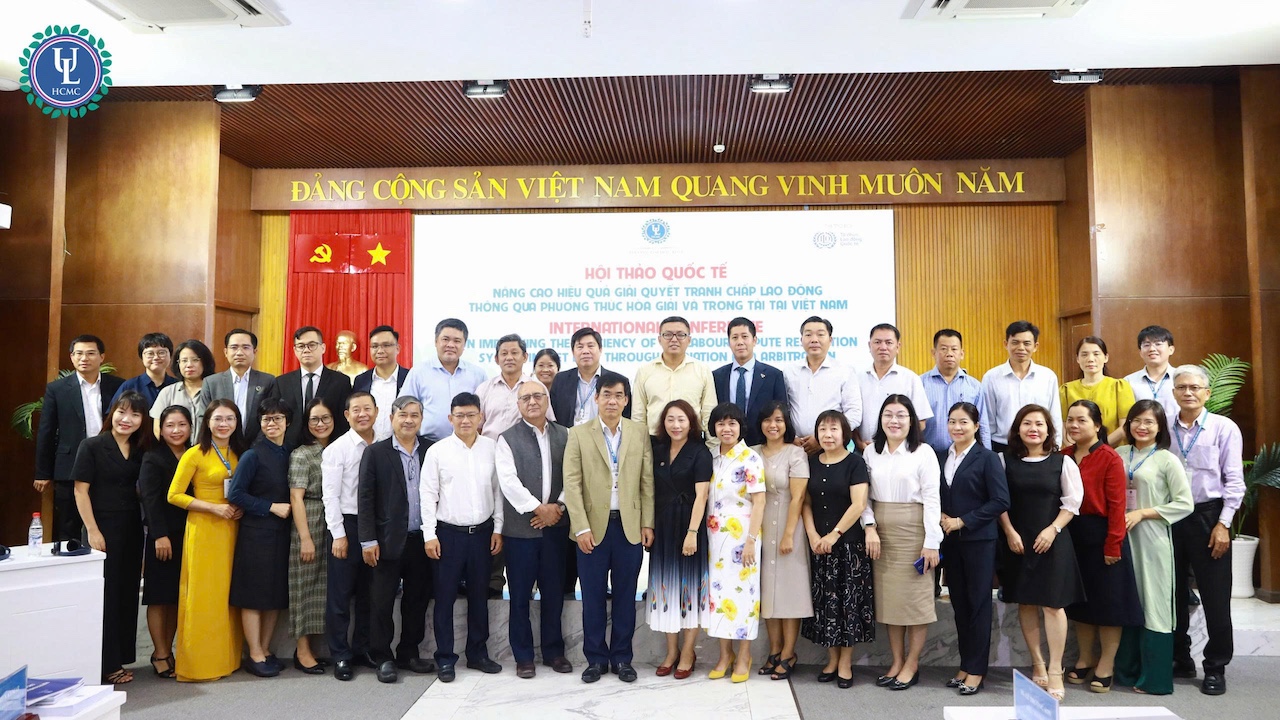
International publications: The number of articles published in prestigious international journals indexed in WoS/Scopus exceeded 150% of the assigned target. This achievement provides compelling evidence of ULAW’s research capacity and academic reputation on the international stage. The English-language edition of the Vietnamese Journal of Legal Sciences published by the University has been officially accepted into the Scopus database, marking a significant milestone in the University’s academic integration at the regional and global levels.
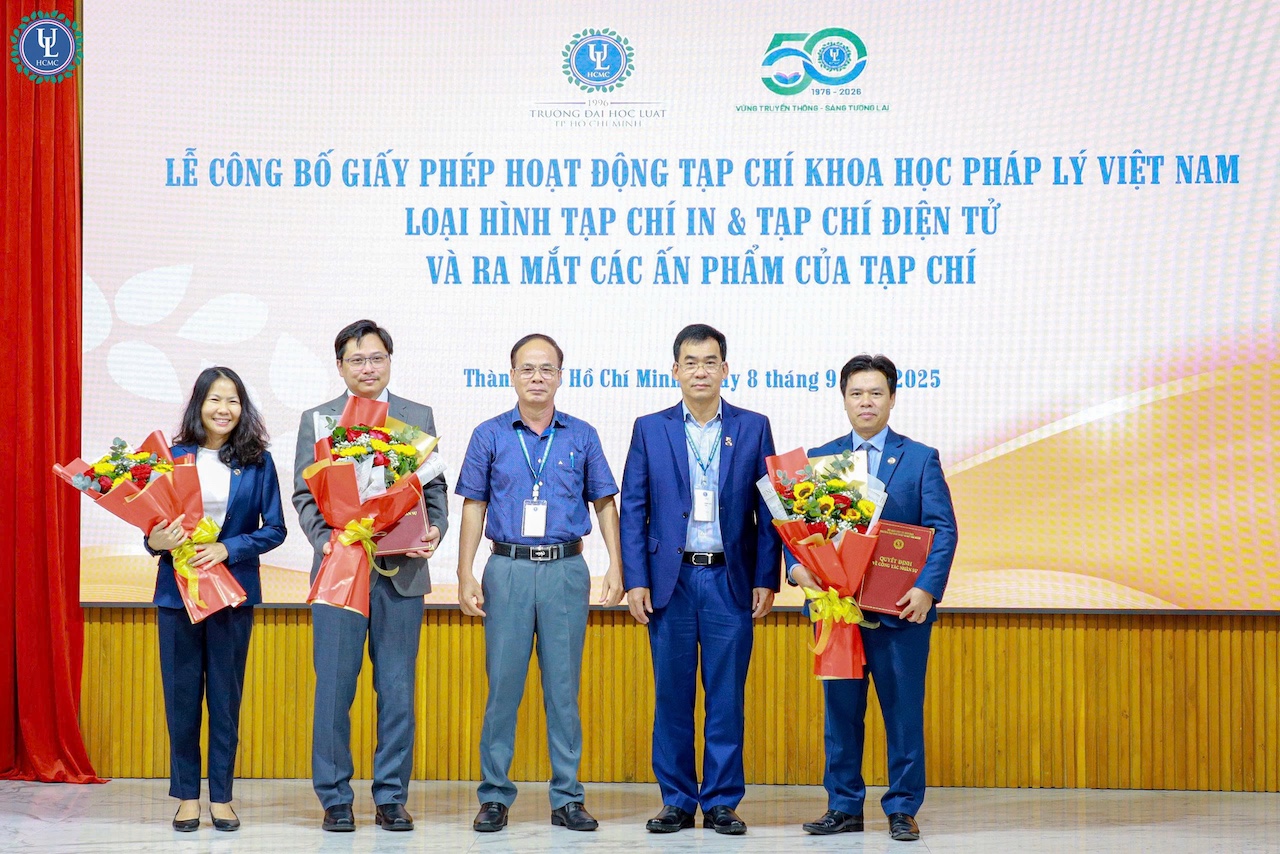
Faculty research participation: 65% of lecturers holding doctoral degrees participated in scientific research projects. The University also fully met its targets for research projects at the national, ministerial, and provincial/municipal levels.
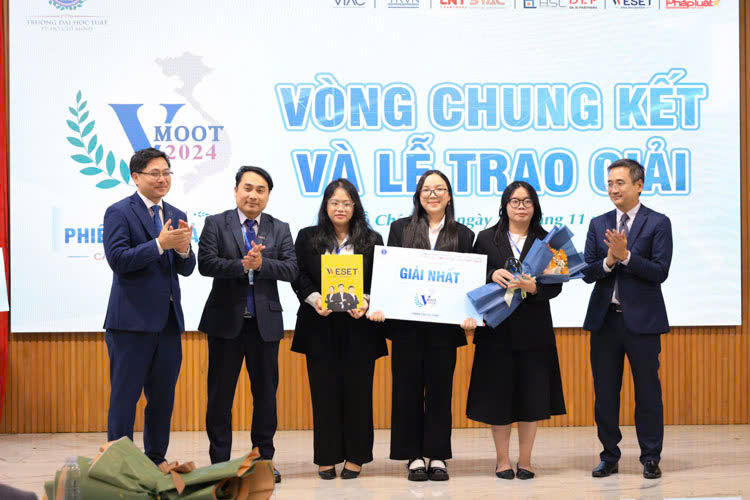
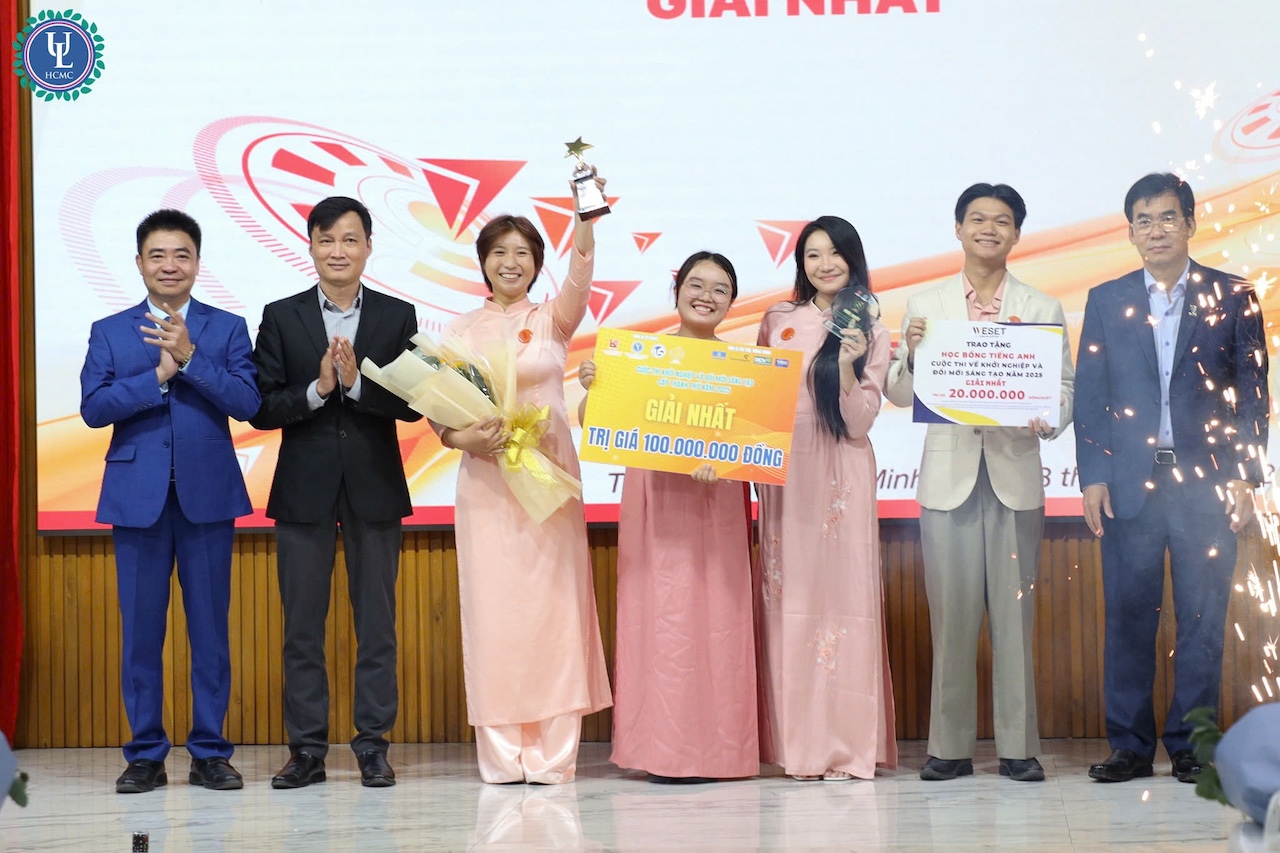
Academic platforms for students: ULAW has continued to affirm its leading position by organizing the National VMoot (Mock Trial) Competition for nine consecutive years and co-organizing the national round of the FDI Moot 2024 competition. These platforms enhance litigation skills for ULAW students while promoting academic excellence nationwide.
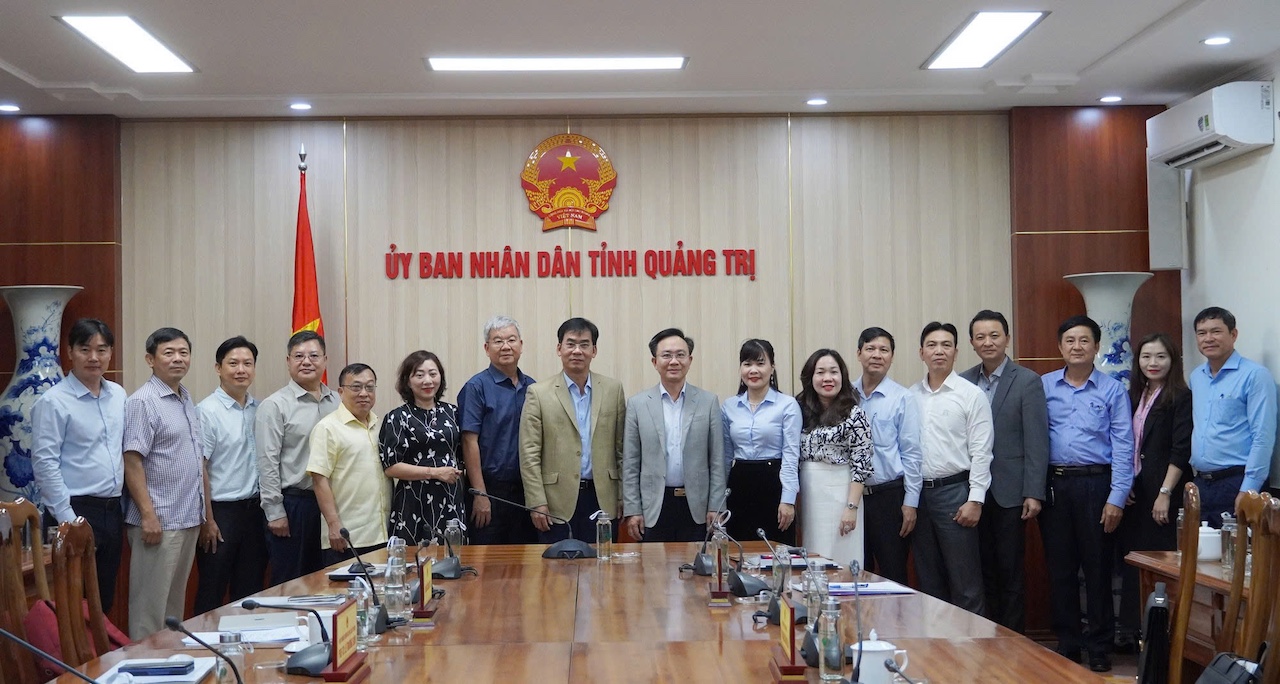
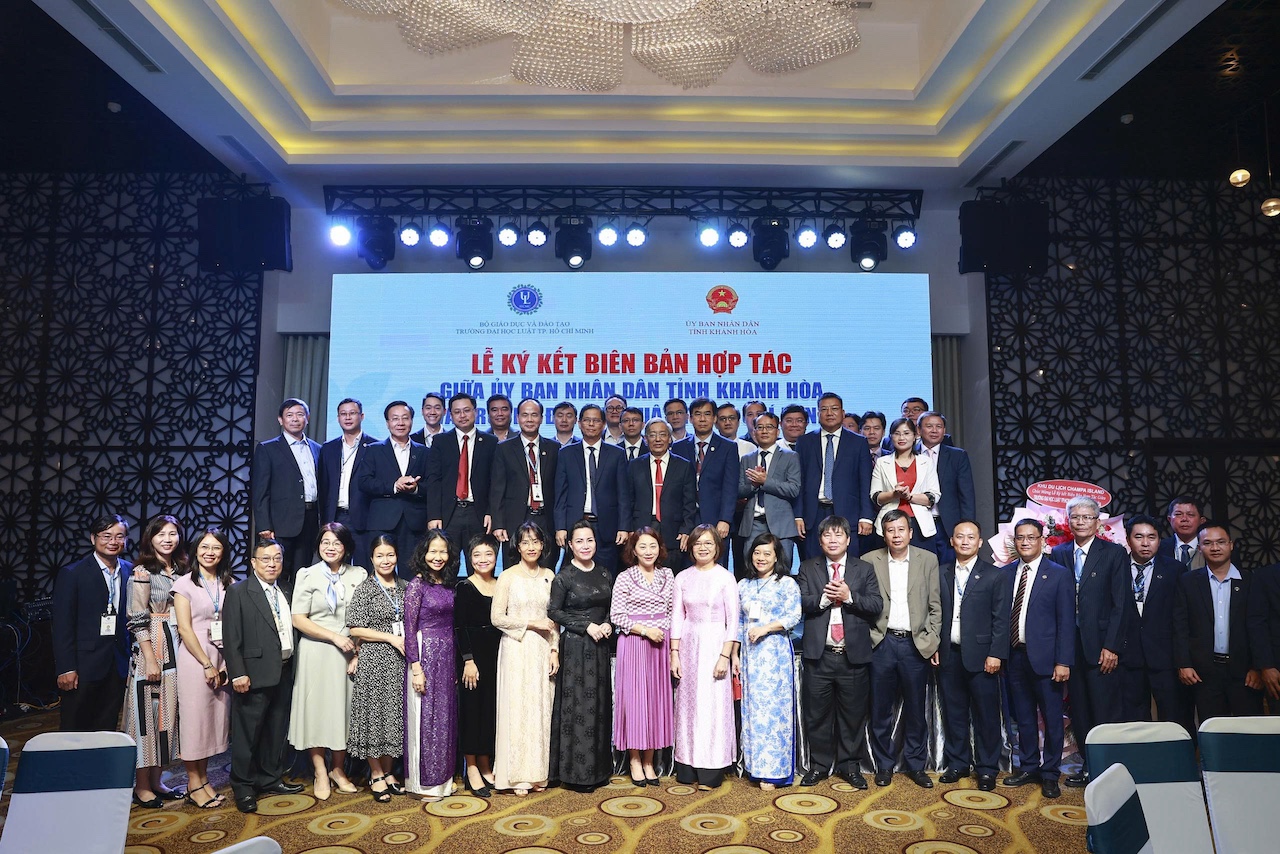
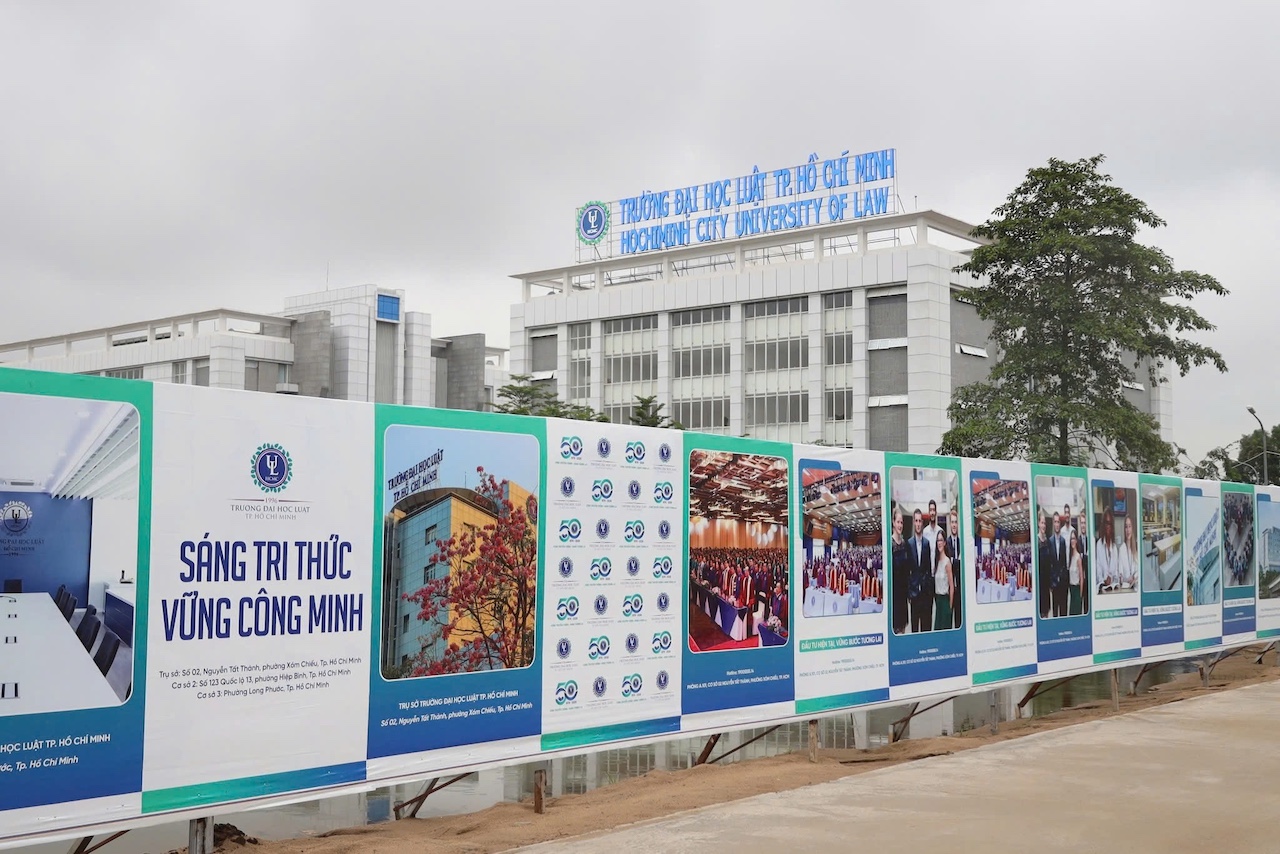
Breakthroughs in Physical Infrastructure: The 2023–2025 period marked significant breakthroughs in physical infrastructure supporting the University’s development strategy. These include the synchronized operation of facilities under the Campus 3 construction project in Long Phước Ward, Ho Chi Minh City, the implementation of a branch campus project in Nam Nha Trang Ward, Khánh Hòa Province, and the establishment of a ULAW branch campus in Đồng Thuận Ward, Quảng Trị Province, based on the Central Law College under the Ministry of Justice.

Community Engagement and Social Responsibility
Implementing Decision No. 1156/QD-TTg is not merely a task of strengthening internal capacity, but also a commitment to serving the community. The University’s Legal Consulting and Community Service Center has maintained free legal advisory services, focusing on civil and administrative matters, serving the public while providing practical training opportunities for students.
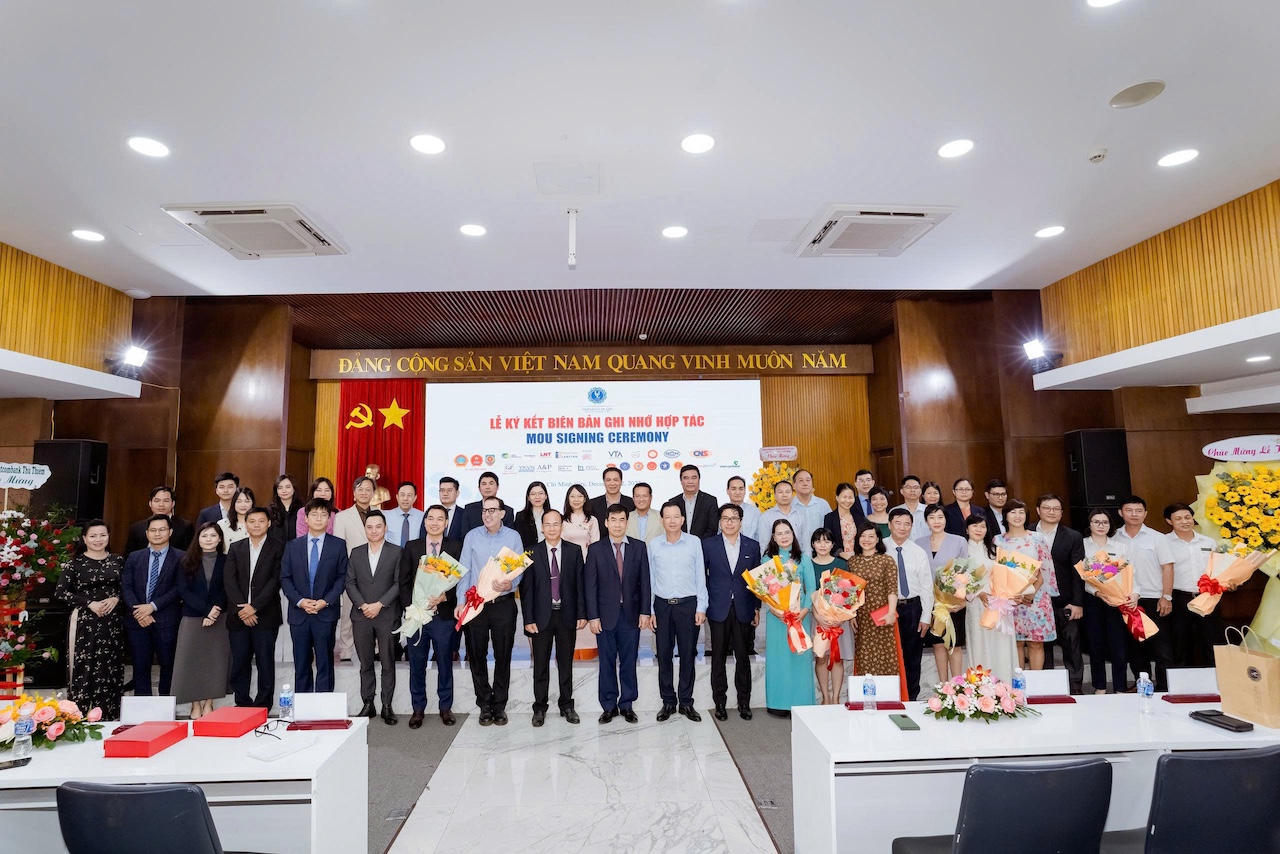
As of December 2025, ULAW has signed and implemented 44 cooperation agreements with reputable domestic partners and expanded library cooperation and digital resource sharing with nine (09) institutions. These partnerships form an open educational ecosystem, enabling learners to access diverse knowledge resources and employment opportunities.
Toward the 2026–2030 Period
Reviewing three years of implementing Decision No. 1156/QD-TTg, it can be affirmed that ULAW has undergone a robust transformation in accordance with the Government’s strategic orientation. Achievements in training scale, staff quality, and scientific research constitute a solid foundation for the University to enter Phase II (2026–2030).
In the coming period, ULAW identifies comprehensive digital transformation as a strategic objective: striving to process 100% of administrative and executive documents in the digital environment, upload 50% of lectures to the E-Learning system, and complete the transformation from a single-institution model into a multidisciplinary university, with Law as its core discipline.
With a spirit of solidarity, intellectual rigor, and aspiration for advancement, the academic community of Ho Chi Minh City University of Law remains committed to maintaining its role as a key training institution and a leading legal research center, making meaningful contributions to the development of the Socialist Rule-of-Law State of Viet Nam.
-----
Credits
Content: Hải Đăng – Hồng Giang
Photos: ULAW Archive
Department of Communications and Enterprise Relation
➖➖➖➖➖➖➖➖➖➖
📝TRƯỜNG ĐẠI HỌC LUẬT THÀNH PHỐ HỒ CHÍ MINH (ULAW)
☎Hotline: (028) 39400.989 – 1900.5555.14 – Zalo: 0879.555.514
🔗Website: https://hcmulaw.edu.vn/
🔗Chuyên trang 50 năm: https://50years.hcmulaw.edu.vn/
📲Fanpage: https://www.facebook.com/hcmulaw/
Youtbe: https://www.youtube.com/@ulawhcm
📲 TikTok: https://www.tiktok.com/@ulawtv
#50NamTruyenThong #30NamMangTenTruong #VungBuocVuonTam #ULAW50 #KỷNiệm50Năm #TrườngĐạiHọcLuậtTPHCM #ULAW #VữngTruyềnThốngSángTươngLai #ULAW #ĐạiHọcLuậtThànhphốHồChíMinh