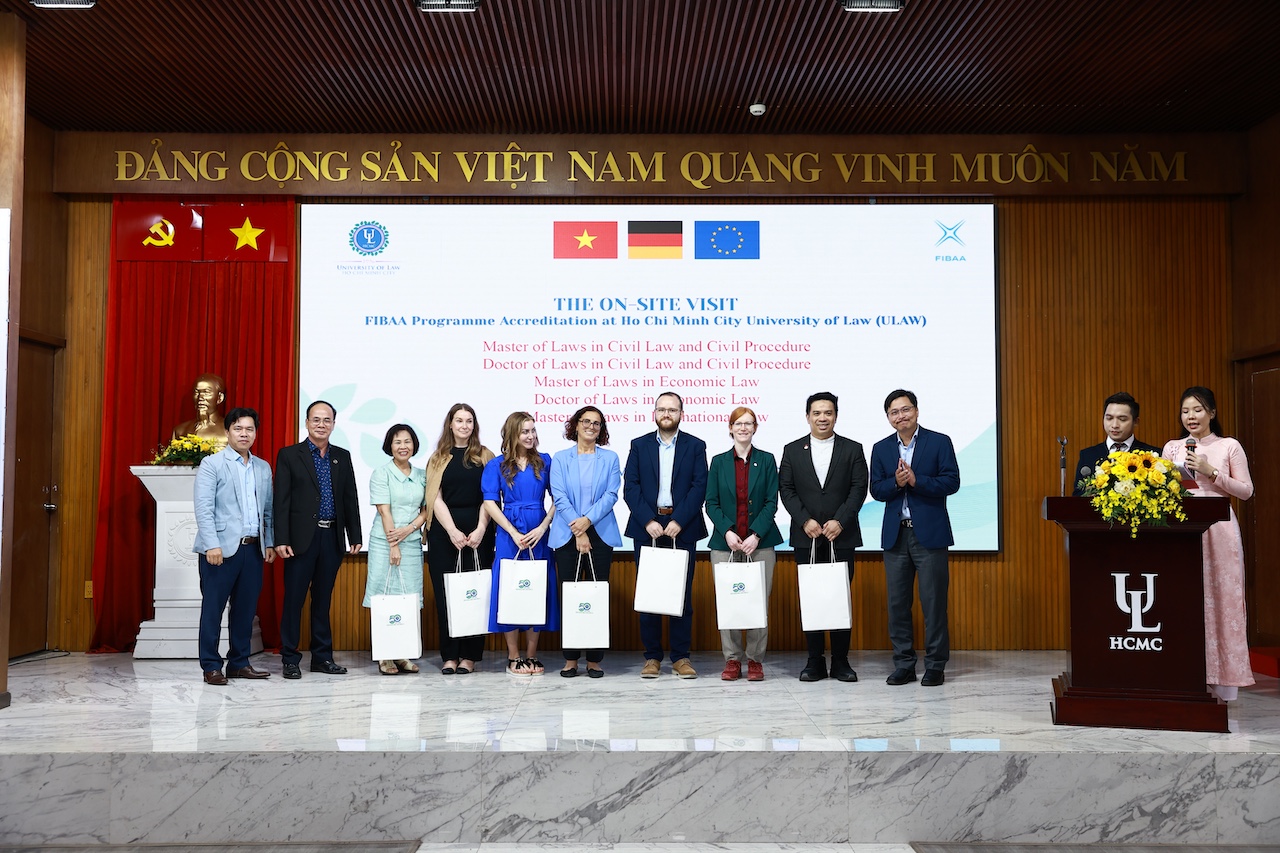
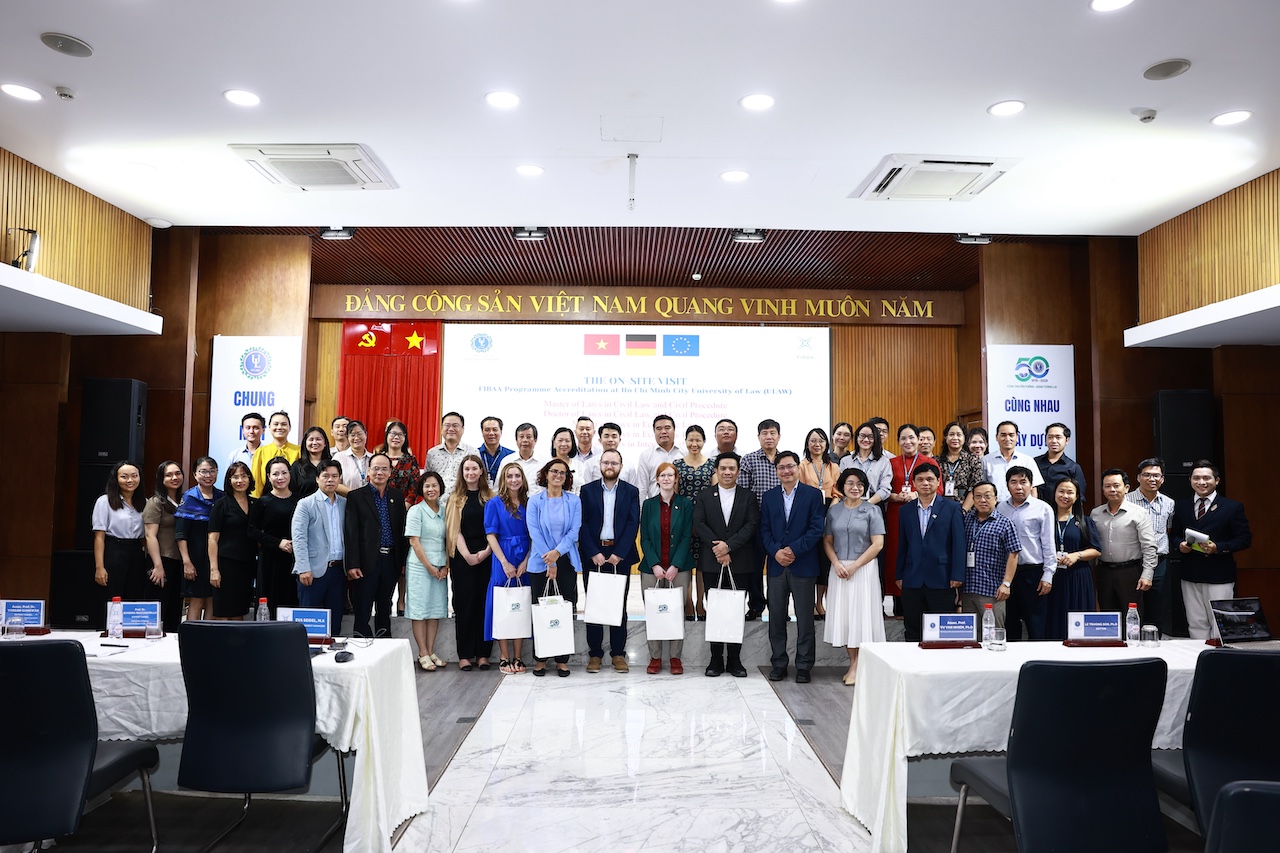
On 22 and 23 April 2026, the on-site review serving the accreditation of academic programmes in accordance with the standards of Foundation for International Business Administration Accreditation (FIBAA) was conducted at Trường Đại học Luật TP.HCM. Following two days of rigorous, substantive, and comprehensive engagement, the review concluded with highly positive assessments from the international expert panel, further affirming the University’s strategic commitment to aligning its academic quality with international benchmarks.
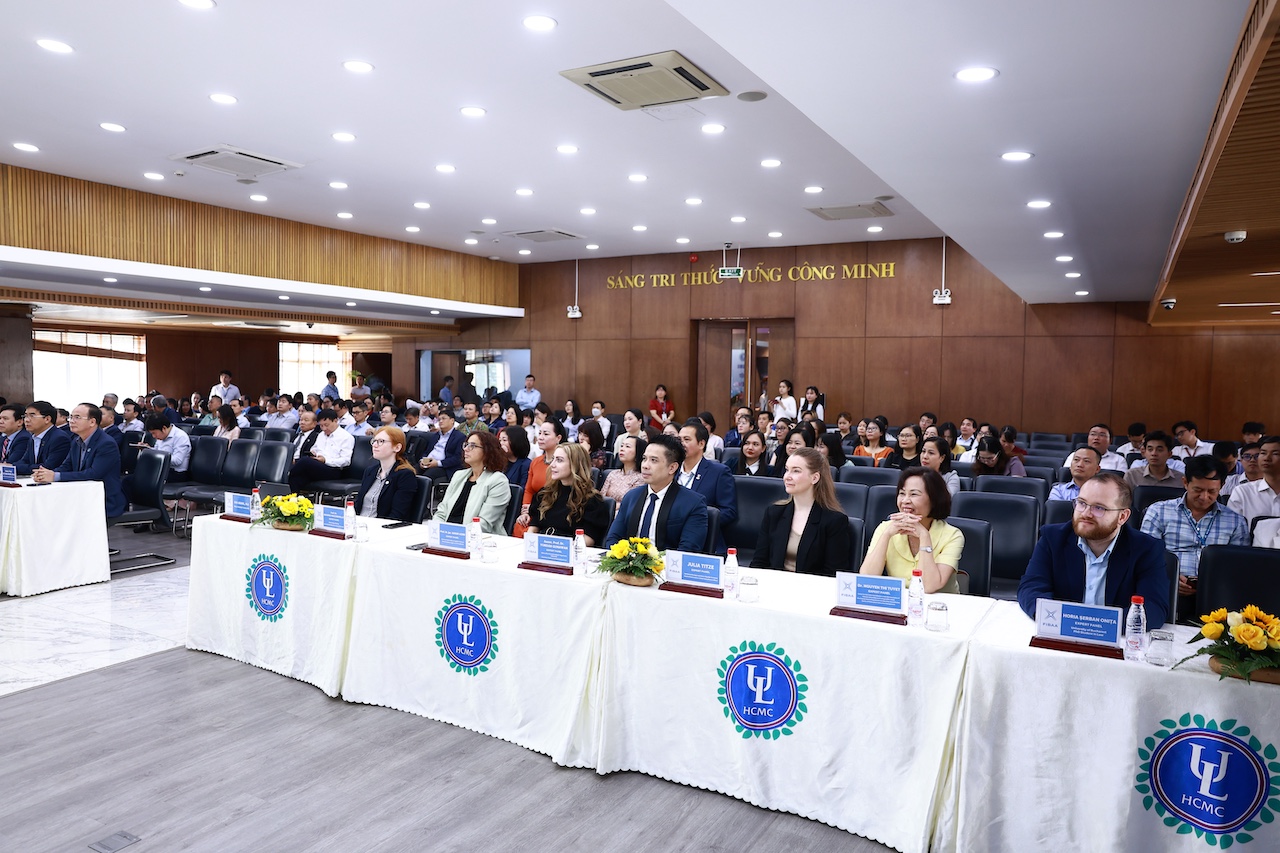
The FIBAA expert panel comprised distinguished scholars and accreditation specialists from reputable higher education institutions and organizations worldwide. Representing Ho Chi Minh City University of Law were members of the University’s leadership, heads of academic and administrative units, faculty members, professional staff, as well as a broad representation of students and alumni.
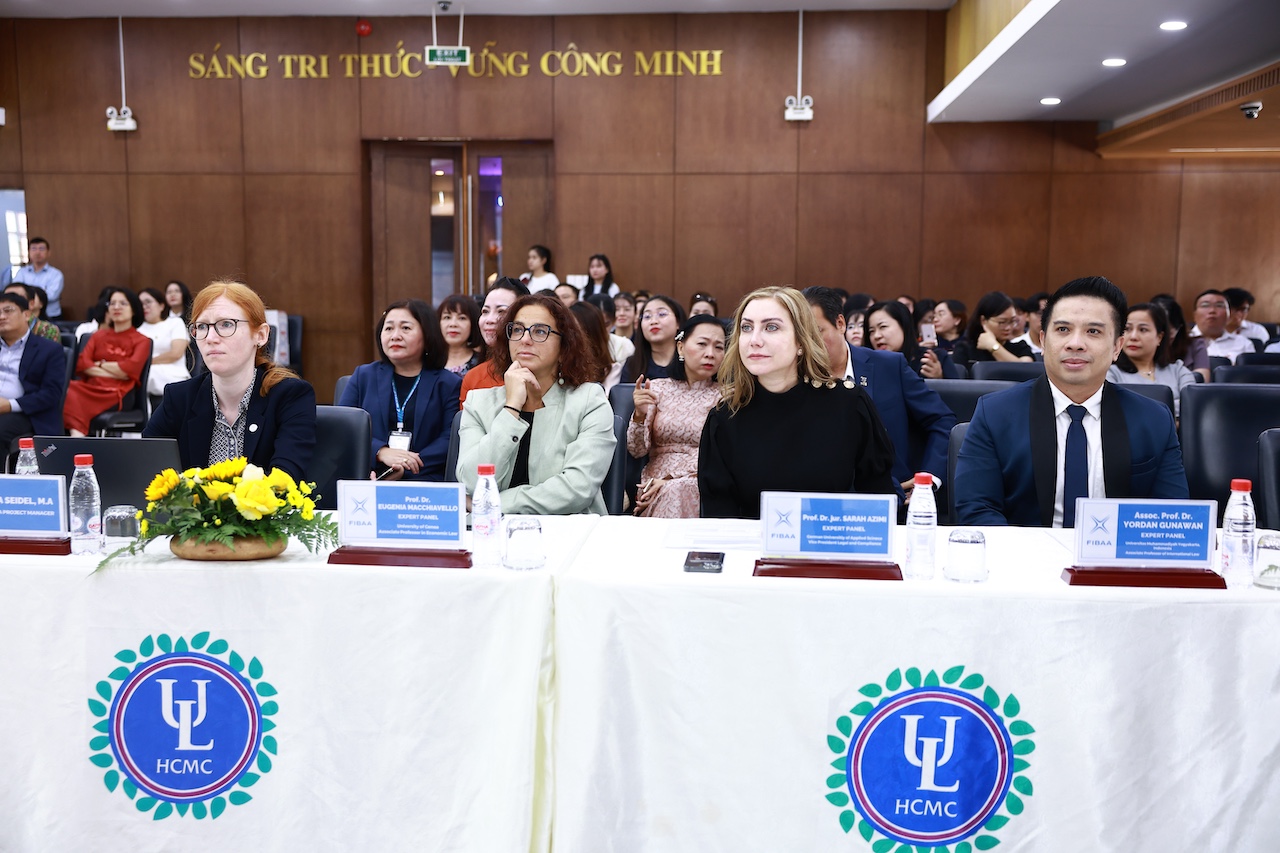
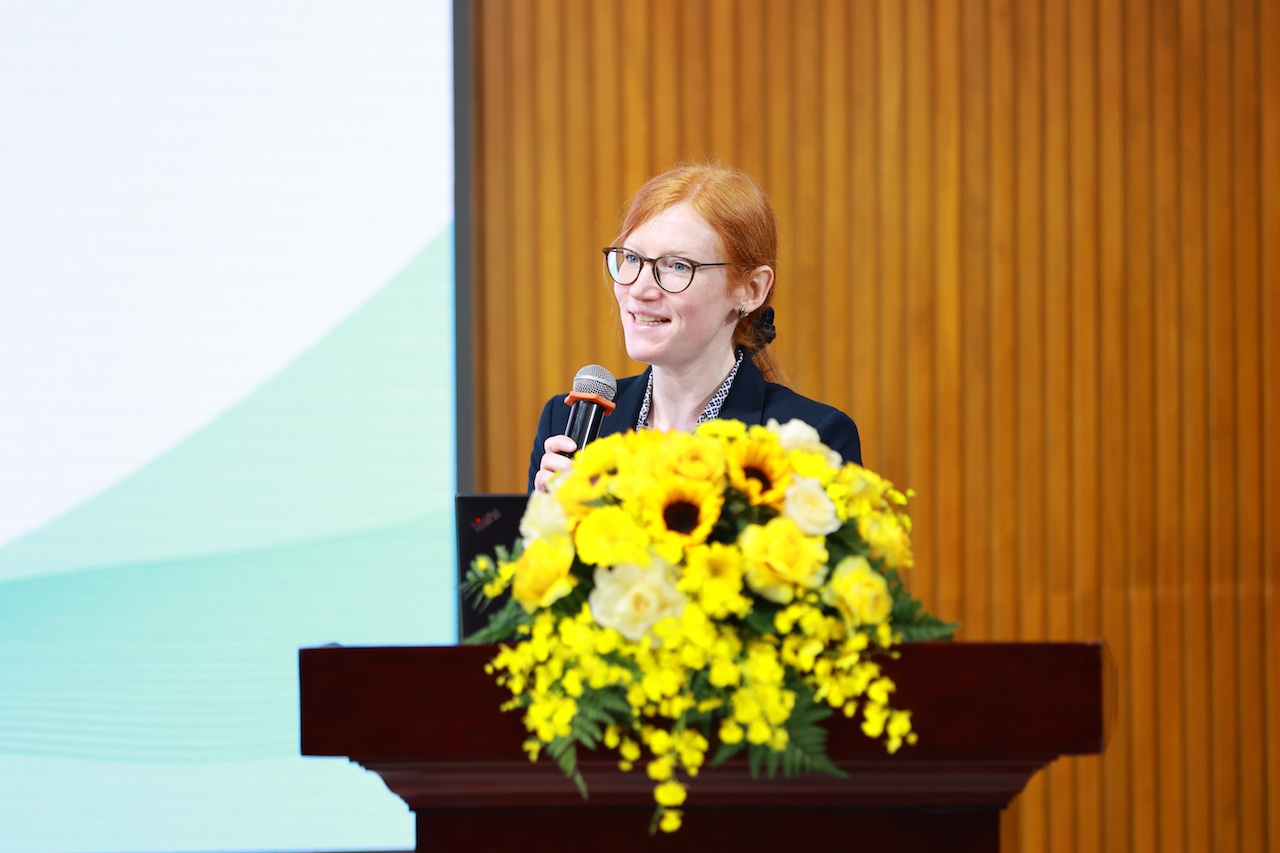
In her opening remarks, Ms. Eva Seidel – Project Manager, representing the FIBAA expert panel, underscored that the organization, established in 1994 by business associations in Germany, Switzerland, and Austria, focuses on evaluating academic programmes against European standards, grounded in principles of transparency, independence, and evidence-based assessment. In this regard, accreditation serves not only to assure academic quality but also to enhance the responsiveness of academic programmes to labour market demands and the broader dynamics of global development. The panel acknowledged the University’s meticulous and systematic preparation, while expressing confidence that the on-site review would yield objective, comprehensive, and development-oriented evaluations.
In his welcome address, Dr. Lê Trường Sơn – Rector of Ho Chi Minh City University of Law, emphasized that the accreditation process is being undertaken at a pivotal juncture, as the University accelerates its transition toward a multidisciplinary, research-oriented institutional model, with law as its core pillar. Building upon nearly five decades of development, the University has consistently enhanced the quality of its academic provision, expanded its intellectual landscape, and progressively deepened its integration into regional and global higher education systems.
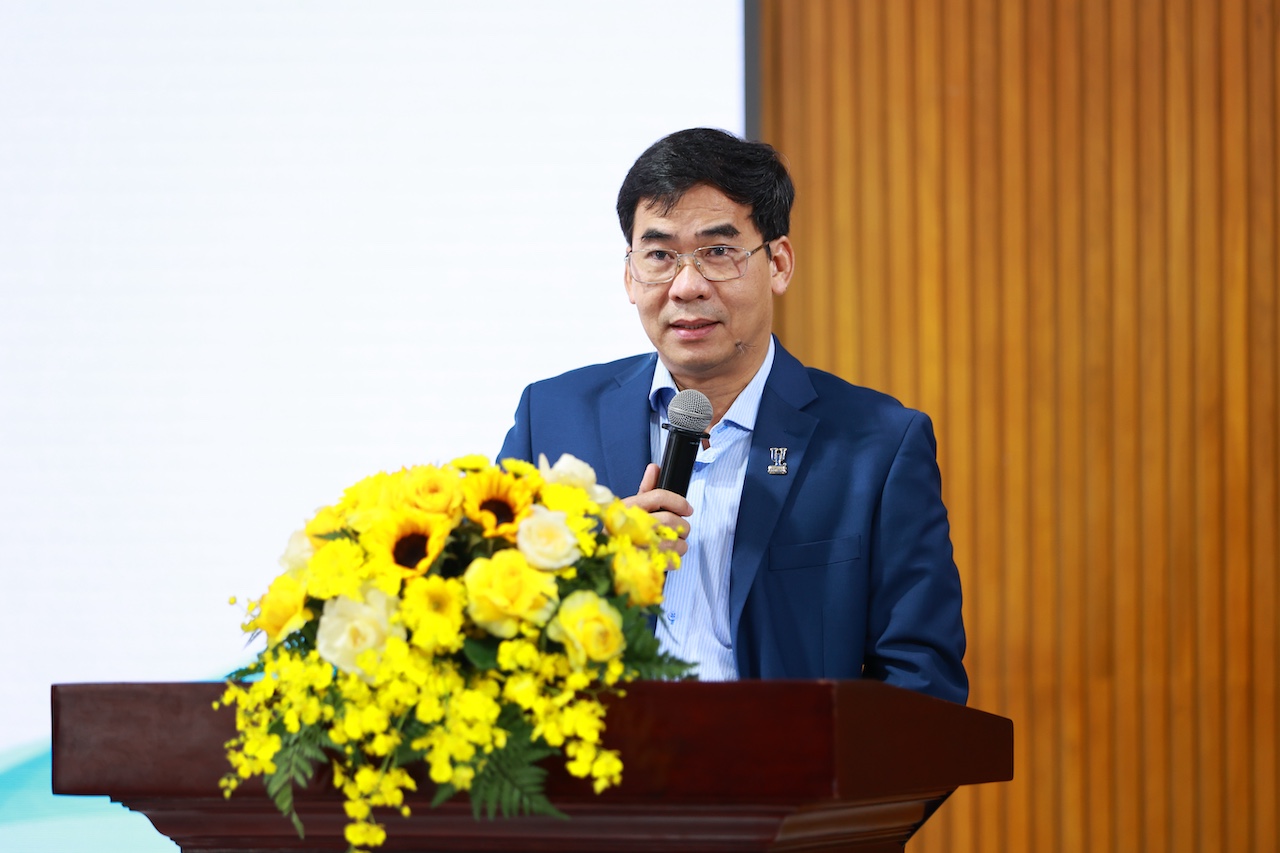
The Rector further affirmed that quality assurance is not an endpoint but a continuous process intrinsically linked to the cultivation and dissemination of a quality culture across the institution. Participation in accreditation under FIBAA standards constitutes a strategic milestone within the University’s development roadmap toward 2030, with a vision to 2045. It enables the University to benchmark itself against international standards, assimilate expert recommendations, and foster substantive, sustainable innovation in programme design, pedagogical approaches, and internal quality assurance mechanisms.
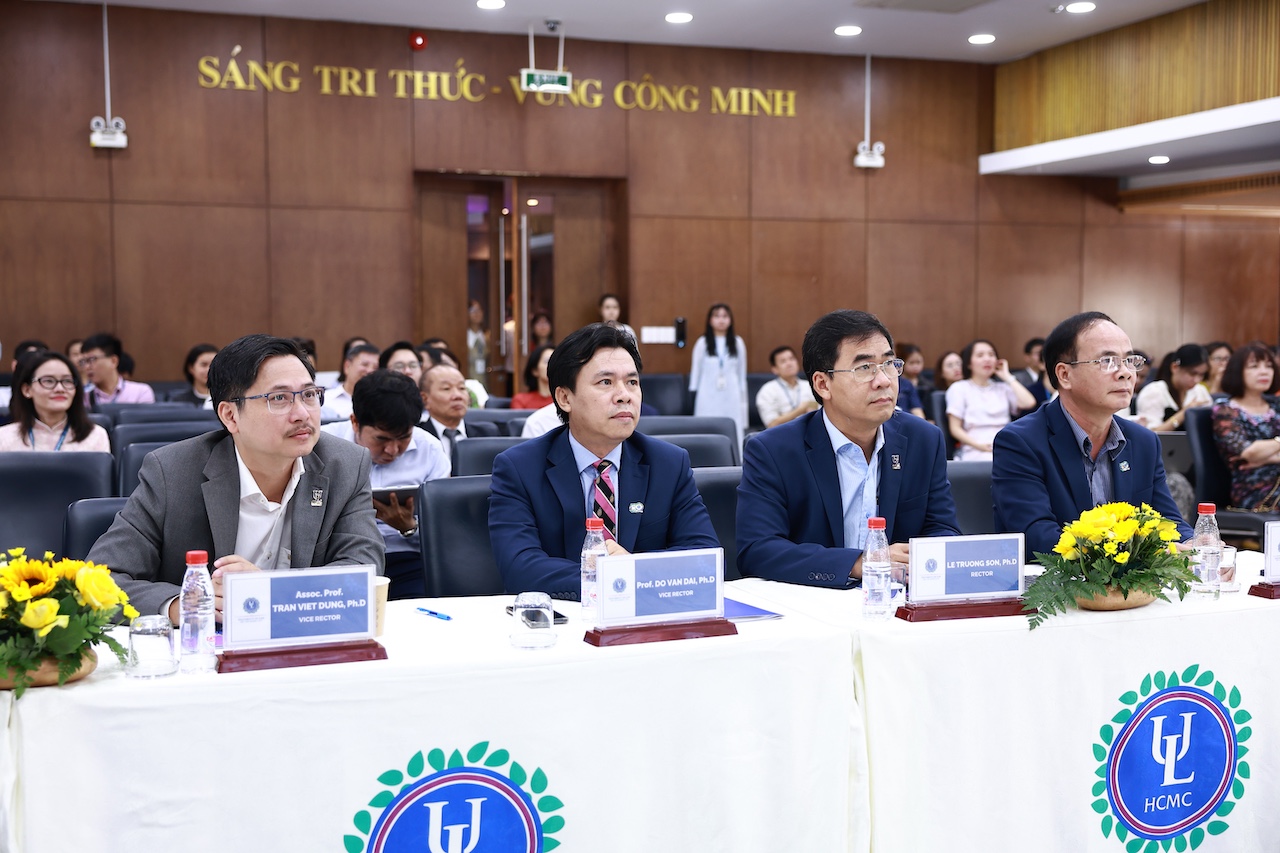
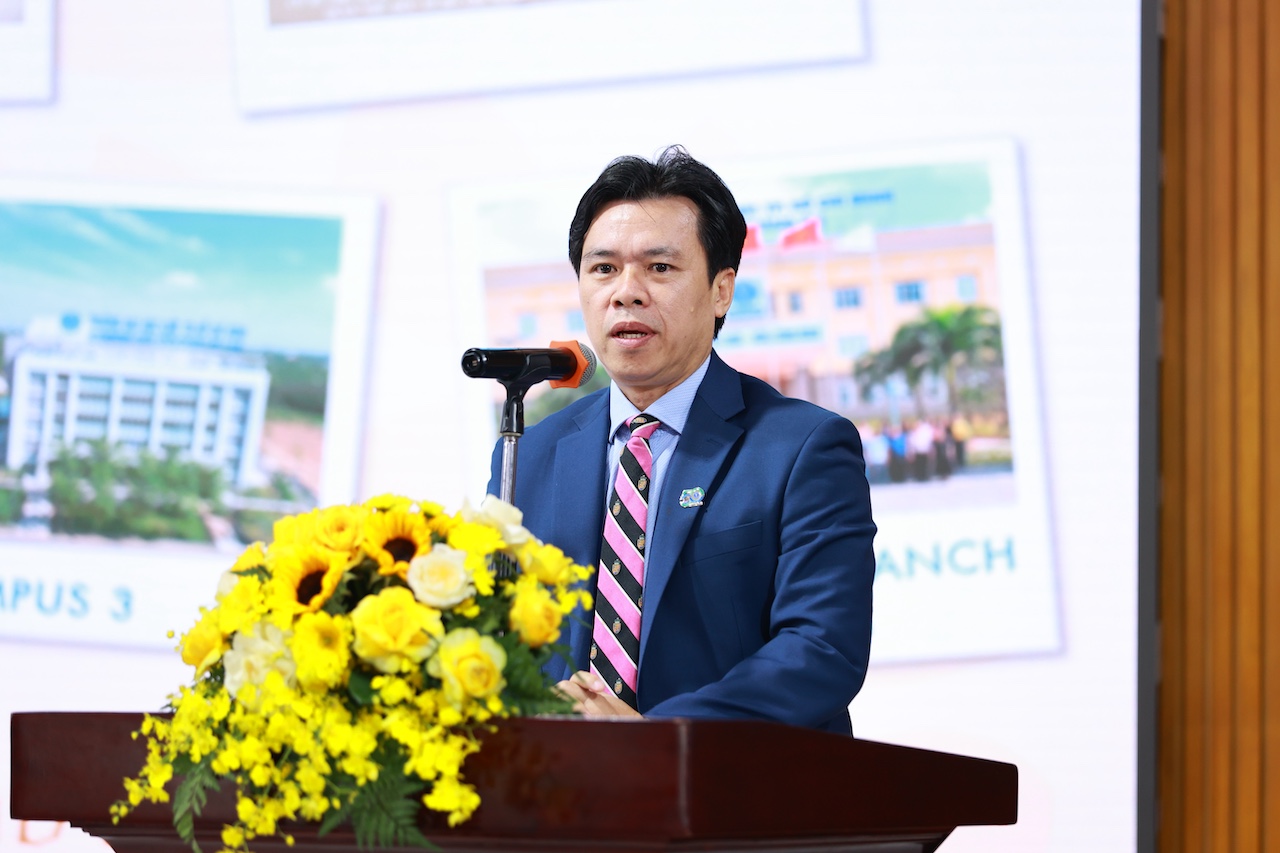
Within the programme, Prof. Dr. Đỗ Văn Đại – Vice Rector, delivered a comprehensive institutional overview, tracing the University’s evolution since 1976 and outlining its strategic orientation toward becoming a multidisciplinary, research-intensive university. The University’s academic portfolio has been developed coherently from undergraduate to postgraduate levels, with programmes designed in alignment with learning outcomes, closely connected to professional practice, and supported by student-centred pedagogies and strengthened research capacity.
Immediately following the opening session, the FIBAA expert panel commenced the on-site review in accordance with a structured and rigorous schedule. On 22 April, the panel conducted an in-depth examination of documentation and supporting evidence, alongside intensive interviews with the management of postgraduate programmes, focusing on programme structure, learning outcomes, governance mechanisms, internal quality assurance systems, and faculty qualifications. These sessions were followed by interviews with academic staff, aimed at assessing scholarly competence, teaching methodologies, the integration of teaching and research, and the extent of international collaboration.
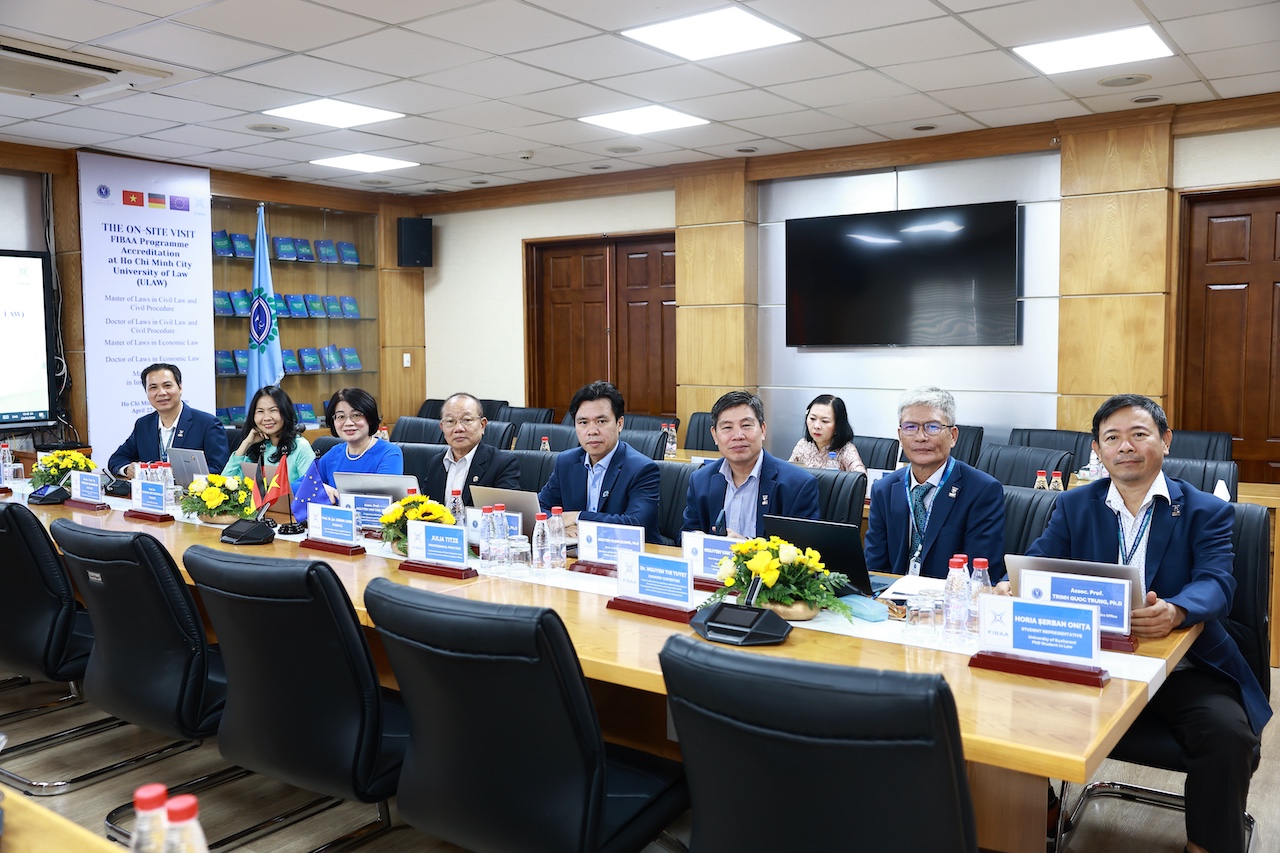
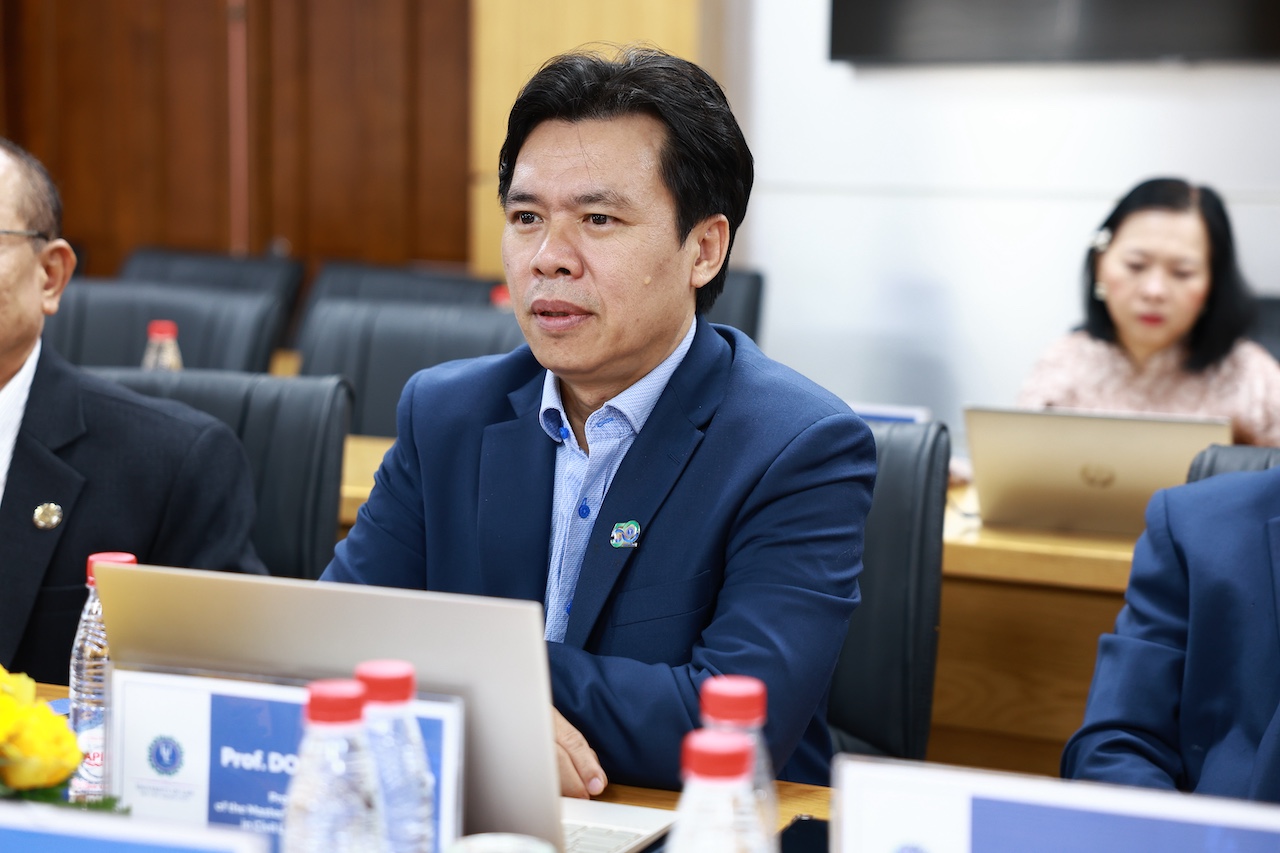
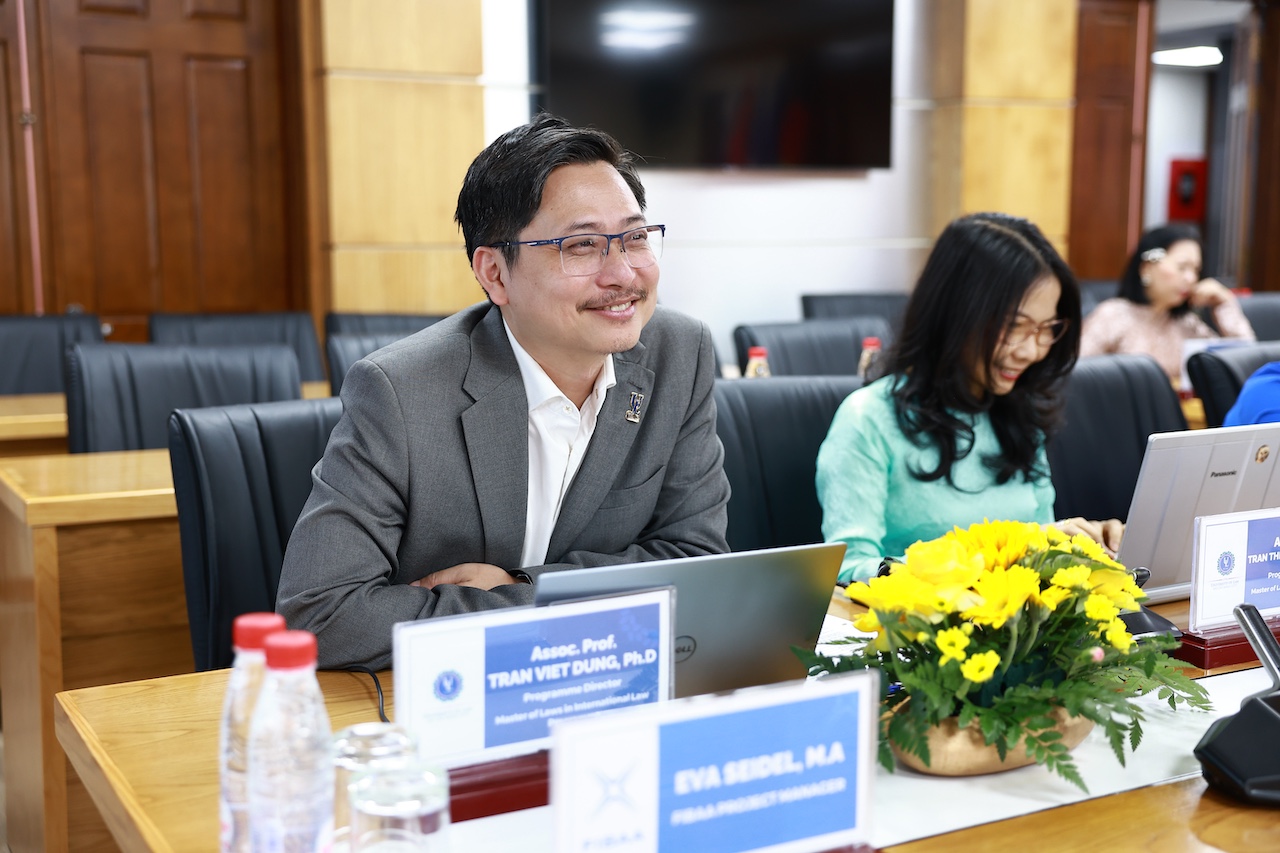
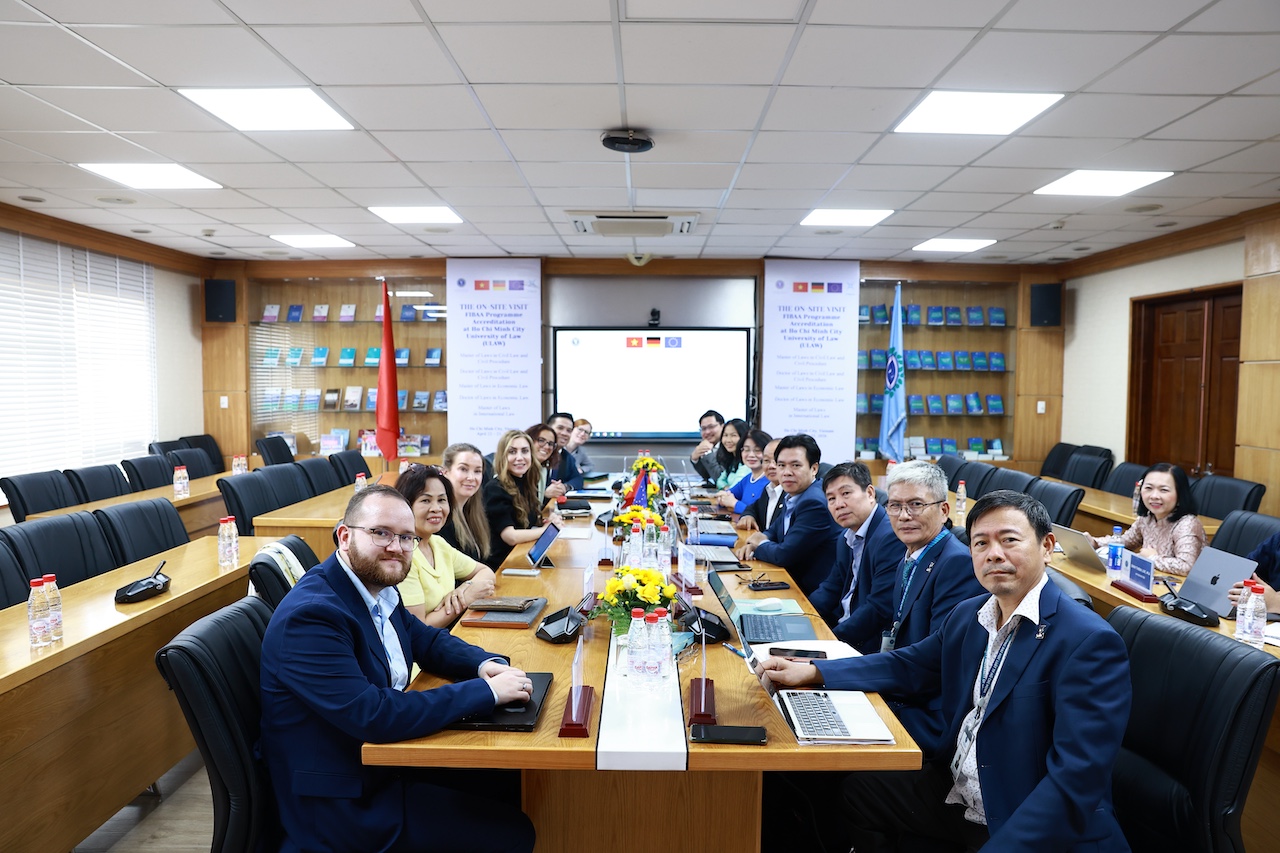
Concurrently, the panel undertook site visits to key facilities, including the library, classrooms, computer laboratories, and administrative units, thereby evaluating the adequacy of infrastructure and support systems in ensuring academic quality and student services in practice.
On 23 April, the review continued with direct engagement sessions involving students and alumni, providing insights into learning experiences, satisfaction levels, and graduate employability. Subsequent meetings with administrative and professional staff focused on assessing the effectiveness of institutional governance and student support services. Prior to the closing session, the panel conducted internal deliberations to synthesize findings and formulate preliminary evaluations of each programme, based on rigorous accreditation criteria.
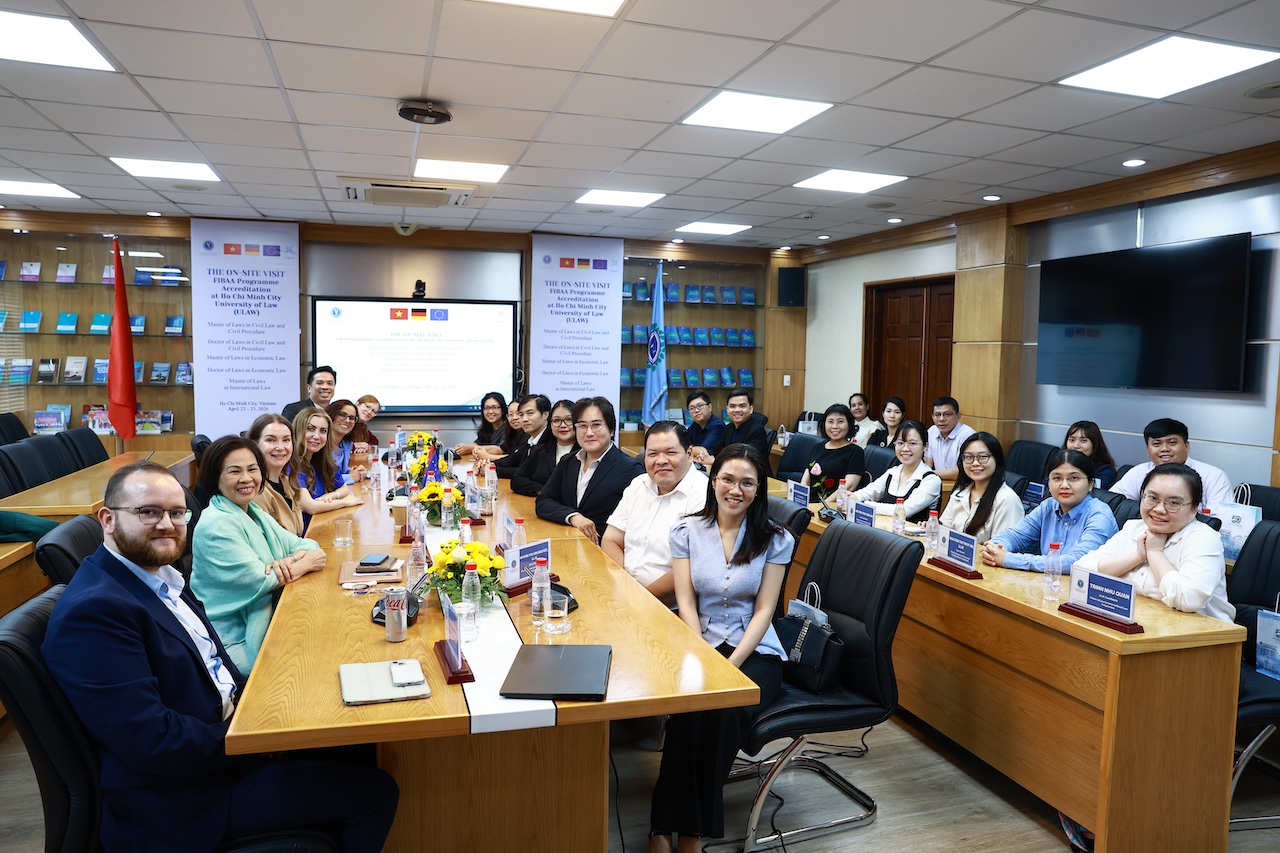
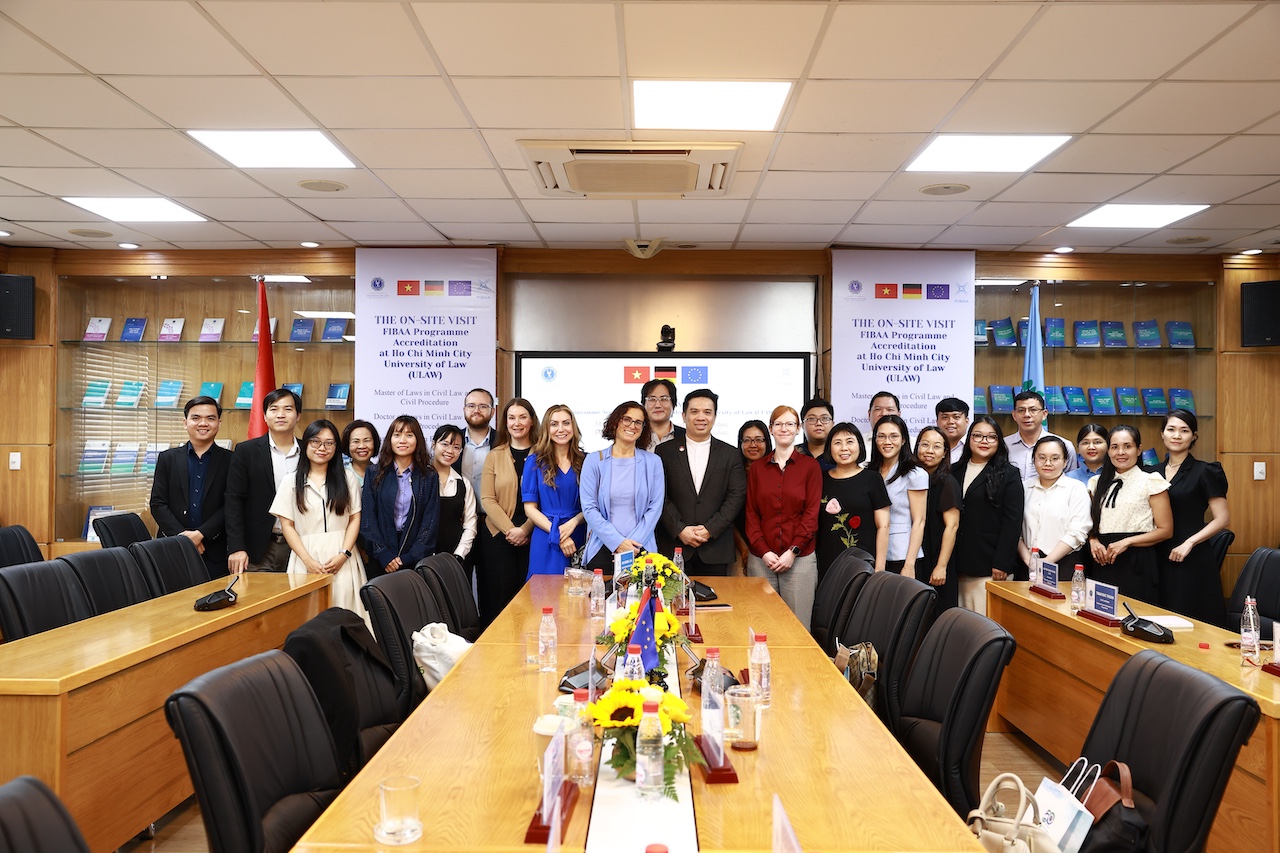
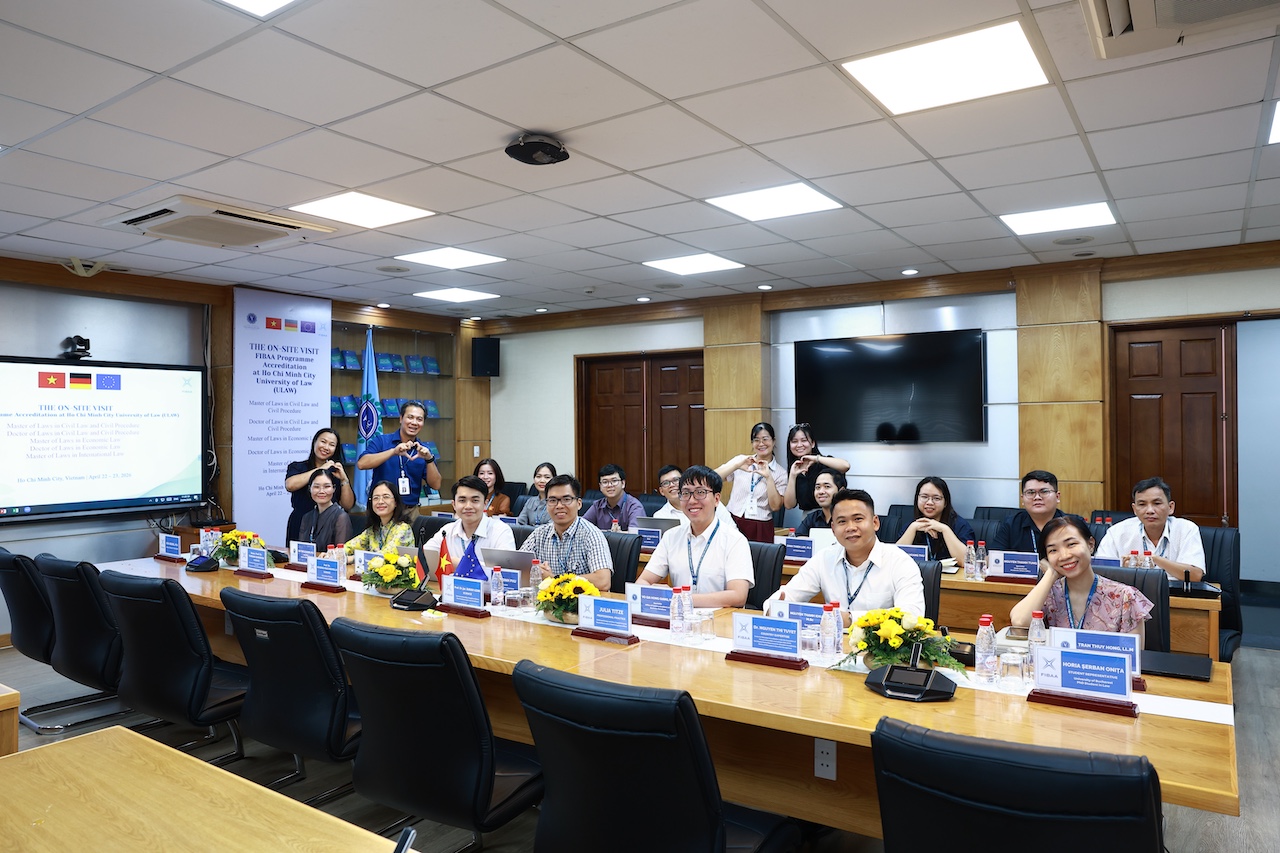
At the closing session, representatives of the FIBAA panel commended the University for its thorough and well-structured preparation, while expressing strong appreciation for the opportunity to engage with a highly competent academic and professional community, as well as with accomplished alumni and motivated students. Overall, the panel noted that the University’s academic programmes are underpinned by a solid scholarly foundation, clearly articulated learning outcomes, and an increasingly strong alignment with labour market demands. Graduate employability was identified as a particularly notable strength.
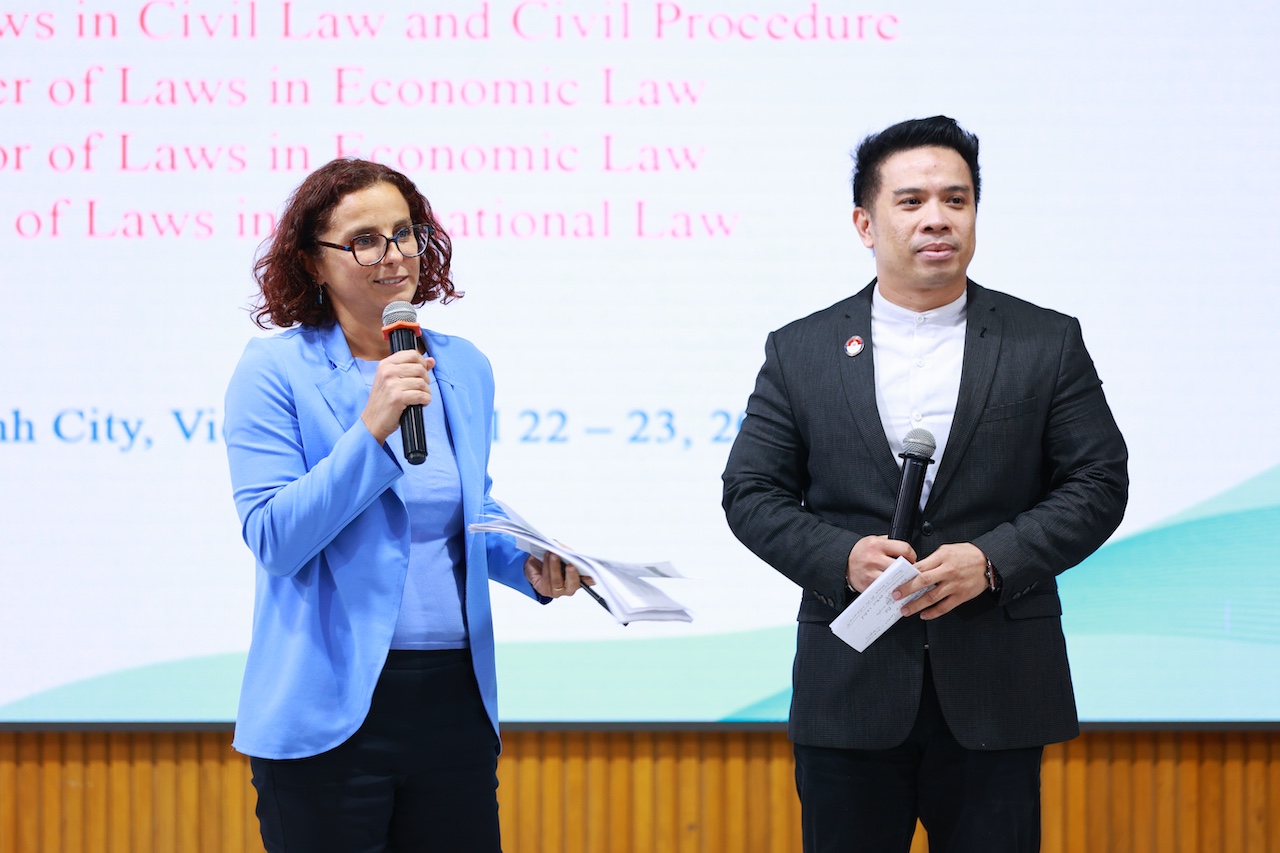
The panel also recognized the effective integration of theory and practice, a supportive and student-friendly learning environment, well-functioning support systems, and a growing degree of internationalization. At the same time, several recommendations were put forward to further enhance quality in line with international standards, including strengthening data collection and analytics for quality enhancement, expanding feedback mechanisms from students, improving students’ foreign language proficiency toward at least B2 level, increasing the number of English-medium courses, and broadening support policies and scholarships for postgraduate learners.
In his response, Assoc. Prof. Dr. Trần Việt Dũng – Vice Rector of Ho Chi Minh City University of Law, expressed the University’s deep appreciation for the panel’s objective assessments and constructive recommendations, affirming that these insights provide an important foundation for further enhancing academic and governance practices in an increasingly globalized context. The University remains committed to continuous innovation in programme development, pedagogical practices, and quality assurance systems, while steadfastly fostering a student-centred quality culture, strengthening practical relevance, and enhancing international integration capacity.
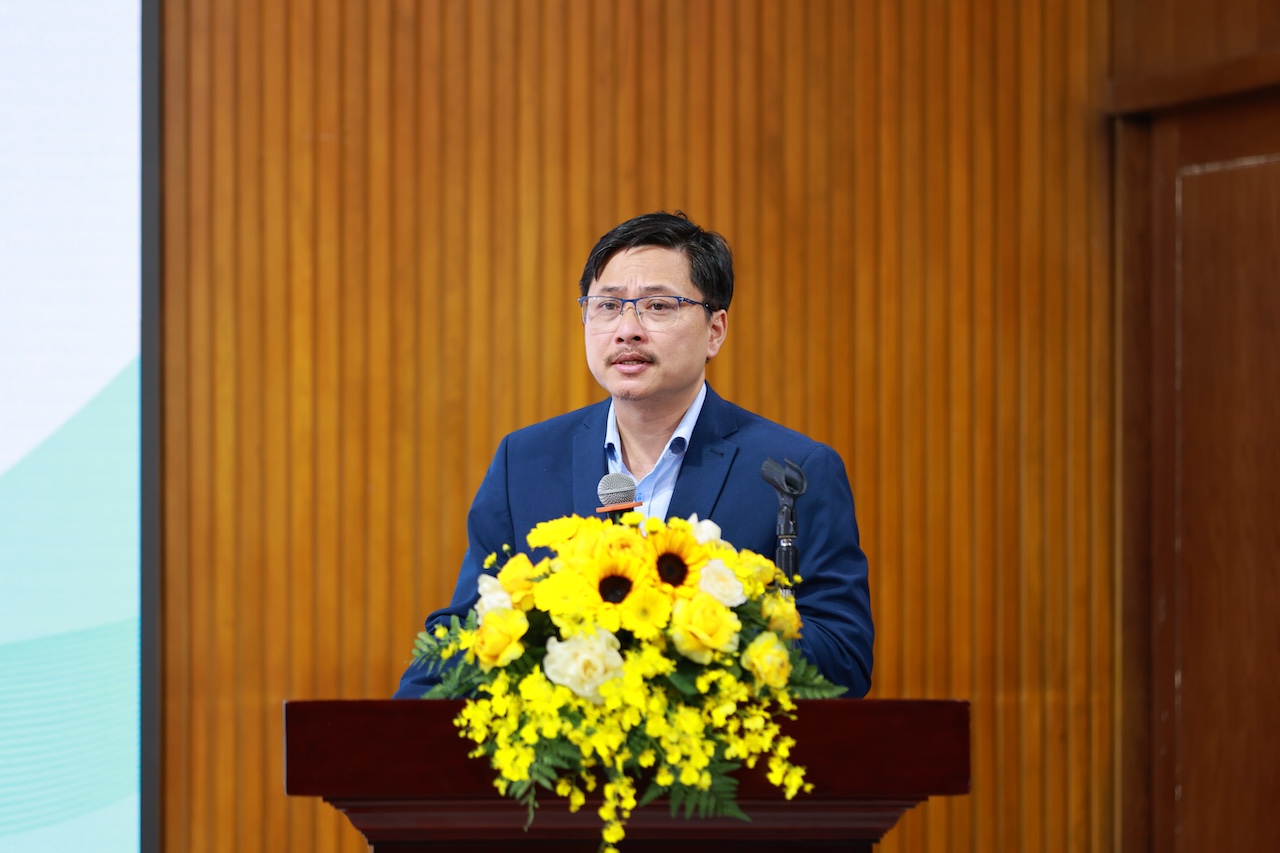
The on-site review conducted by FIBAA at Ho Chi Minh City University of Law concluded with positive outcomes, not only recognizing the University’s sustained efforts in advancing academic quality, but also opening up important strategic directions for its next phase of development, thereby reinforcing its position within the higher education landscape and progressively integrating into the global academic community.
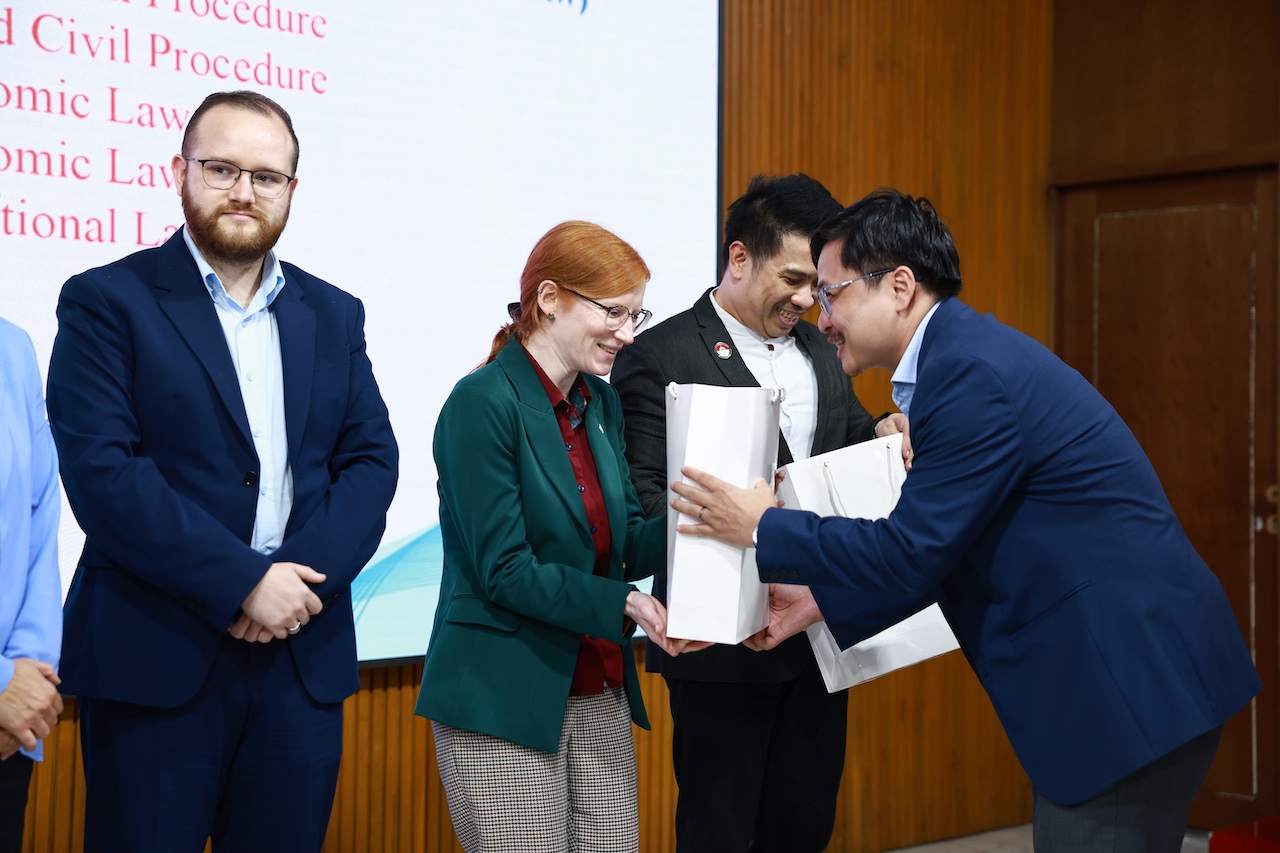
Prepared by the Department of Communications and Enterprise Relation