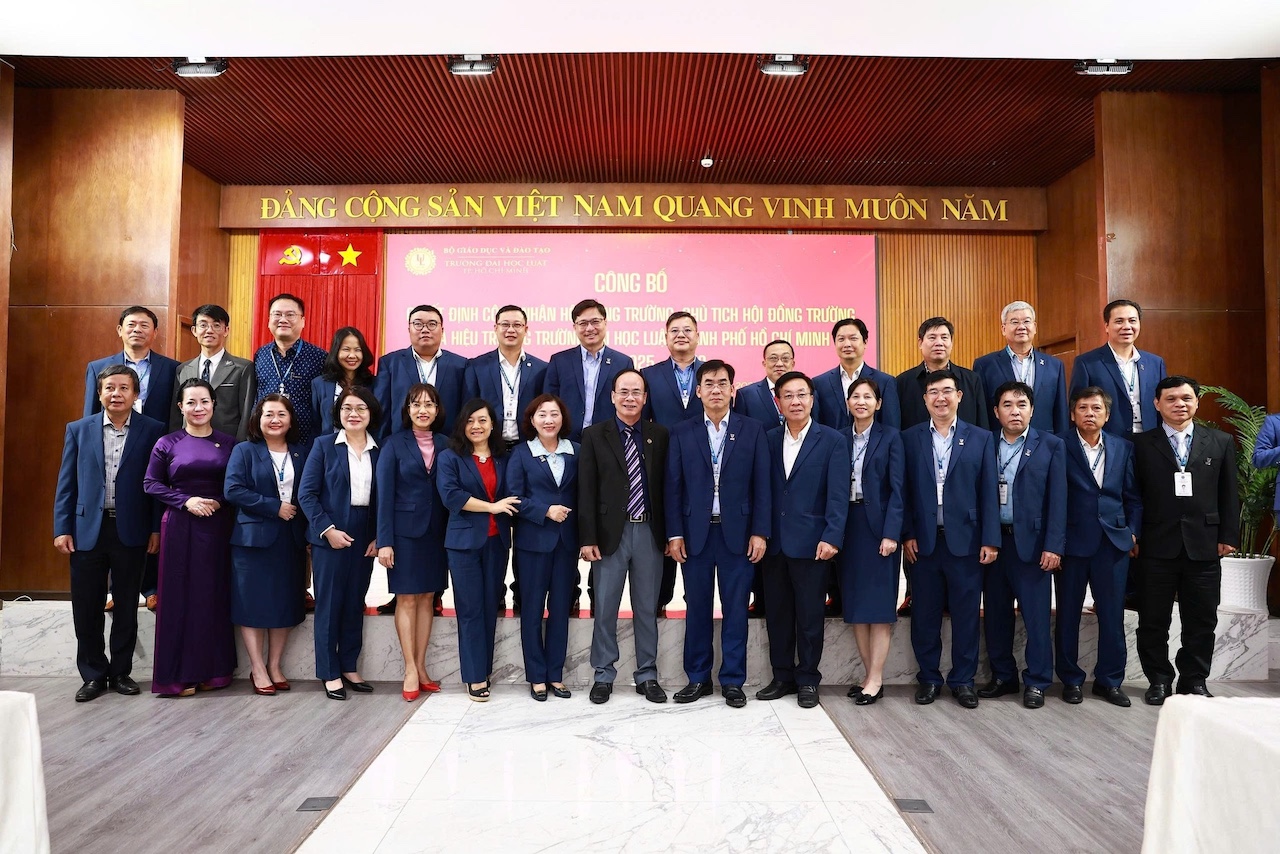
The key leadership and managerial staff of ULAW
The year 2025 marked a period of profound and multidimensional development for Ho Chi Minh City University of Law (ULAW). Amid the pressing demands for comprehensive reform in higher education—encompassing quality enhancement, operational efficiency, and social responsibility—the University proactively implemented a wide range of coordinated initiatives across key areas, including organizational consolidation, improvement of training quality, advancement of scientific research, expansion of cooperation networks, investment in physical infrastructure, and innovation in communications.
The achievements attained throughout the year not only reflect the sustained commitment and dedication of the entire community of academic staff, administrative personnel, employees, and learners, but also established a solid foundation for ULAW’s entry into 2026—a pivotal year closely associated with long-term development objectives and a series of activities commemorating the University’s 50-year tradition.
Strengthening Organizational Structure and Enhancing University Governance Capacity
One of the most significant milestones of 2025 was the successful organization of the Congress of Delegates of the Party Committee of Ho Chi Minh City University of Law for the 2025–2030 term. The Congress clearly defined strategic orientations, development goals, and key tasks for the new phase, while ensuring the full implementation of leadership and personnel procedures in strict compliance with legal regulations.

The 8th Congress of Delegates of the Party Committee of Ho Chi Minh City University of Law for the 2025–2030 term was held on June 16th, 2025
During the year, Assoc. Prof. Dr. Vu Van Nhiem, Secretary of the University Party Committee, was entrusted with the position of Chairman of the University Council; Dr. Le Truong Son, Deputy Secretary of the Party Committee, was appointed Rector of Ho Chi Minh City University of Law for the 2025–2030 term. The consolidation of the University’s leadership apparatus holds particular significance, contributing to enhanced governance effectiveness, institutional stability, and coherence, while laying the groundwork for the implementation of strategic development plans in the forthcoming period.
In parallel, faculty and staff development remained a central priority. By the end of the 2024–2025 academic year, the University employed 331 full-time lecturers, including 127 PhD holders, 4 Professors, 20 Associate Professors, and 203 Master’s degree holders. The faculty scale has progressively approached the set targets, while the University continued to refine remuneration and talent-attraction policies to recruit academics with high academic titles and degrees, thereby strengthening training quality and research capacity.

Announcement of the Executive Committee of the Party Committee of Ho Chi Minh City University of Law for the 2025–2030 term
Education and Training: Opening New Programs, Expanding Choices, and Enhancing Learner Experience
The year 2025 witnessed notable progress in education and training activities. The University approved two new undergraduate programs—International Business and Finance and Banking—and launched a distance learning program in Law, thereby broadening access to high-quality legal education for learners nationwide.
In particular, the High-Quality Bachelor of Law Program continued to demonstrate strong appeal, enrolling nearly 700 students in the 2025 intake—an increase of approximately 152% compared to the previous year. This outcome reflects the growing confidence of learners and parents in the University’s modern training model, which emphasizes foreign language proficiency, professional skills, and international integration.
 copy.JPG)
A class under the High-Quality Bachelor of Law Program with Enhanced English Instruction at ULAW, taught by Associate Professor Dr. Nguyen Thi Phuong Hoa — Head of the Faculty of Criminal Law
At the postgraduate level, total enrollment reached 936 learners, including 847 master’s students and 89 doctoral candidates. Enrollment rates remained high, with Vietnamese-taught master’s programs achieving over 96% enrollment and doctoral programs reaching 100%. In addition, short-term training and professional development programs continued to expand, with 48 courses attracting 2,143 participants—an increase of around 30% compared to the previous academic year—effectively meeting the demand for advanced legal knowledge among government agencies, enterprises, and local authorities.
Admissions counseling and learner support were implemented systematically through multiple channels. From October 2024 to September 2025, the University processed over 280,000 counseling interactions, representing a 16.5% increase year-on-year. Career orientation initiatives such as “University Students Returning to High Schools” expanded in both scale and scope, with the number of activities increasing by 57%. The “One Day as a ULAW Student” program welcomed more than 800 high school students for campus visits and experiential learning, while a series of admissions livestreams attracted over 30,000 views. Concurrently, the admissions communications system maintained high output, with 547 articles and numerous graphic and video products, ensuring timely and accurate dissemination of information to prospective learners.
Technology and Artificial Intelligence: A Strategic Step in Digital Transformation
In 2025, ULAW made a significant transition toward integrating technology and artificial intelligence (AI) into education, administration, and research. The University regards AI not merely as a support tool, but as a core competency that must be cultivated among students and staff in the digital era.
During the year, AI HAY Pro accounts were provided to lecturers, staff members, and students, facilitating access to AI tools for learning, research, academic writing, and legal data processing. In parallel, the University organized training programs on the responsible and effective use of AI in teaching, learning, and administrative work, thereby fostering a culture of ethical AI use aligned with principles of academic integrity.
Notably, ULAW organized academic competitions and platforms focusing on AI applications, encouraging students to apply artificial intelligence to legal, administrative, and governance challenges. These activities promoted innovative, interdisciplinary thinking and enhanced adaptability to future professional requirements, contributing to the realization of the University’s digital transformation strategy.
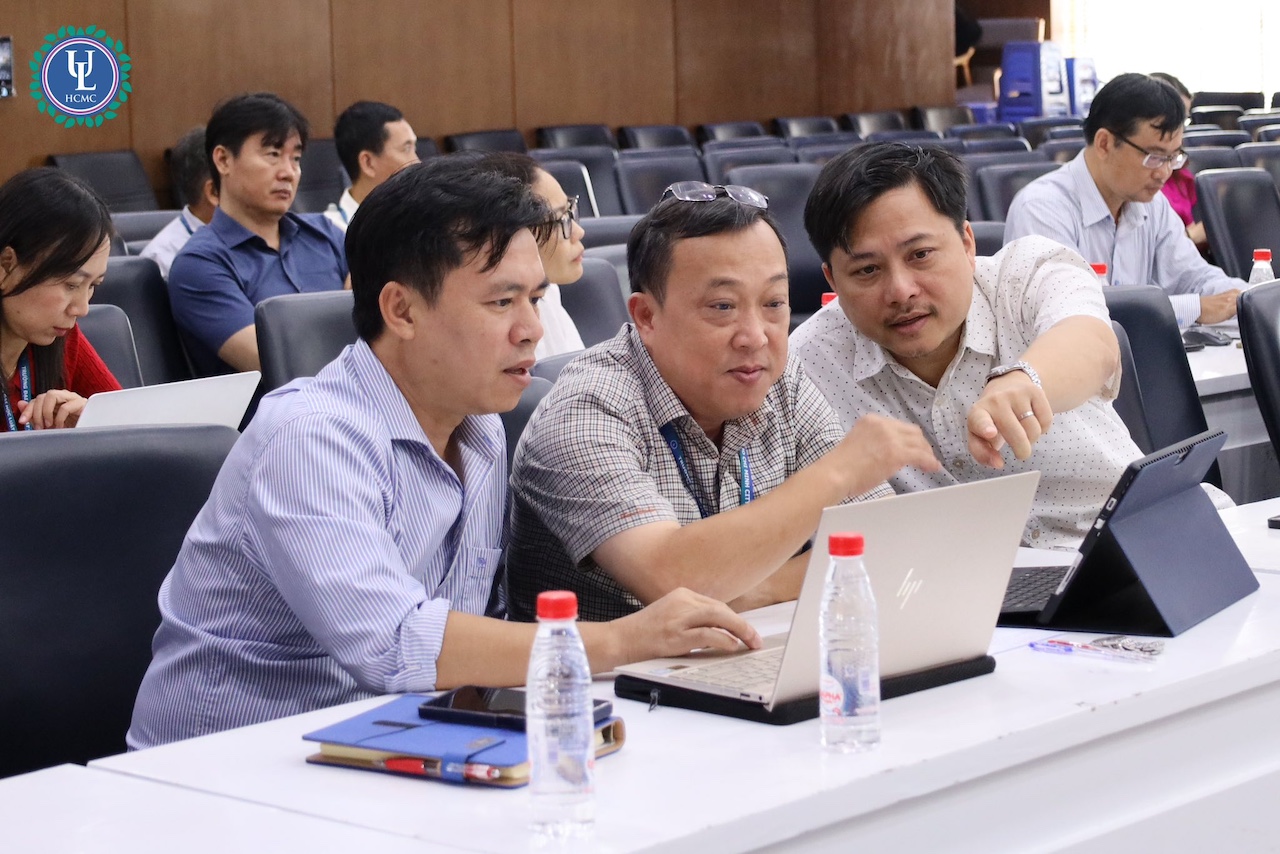
Leaders, lecturers, and administrative staff of ULAW participated in an advanced training program entitled “Effective and Responsible Application of AI in Management, Teaching, Scientific Research, and Office Administration”
Scientific Research: Enhancing Academic Depth and Scholarly Impact
Scientific research continued to serve as a central pillar of the University’s development strategy. In the 2024–2025 academic year, ULAW scholars published 29 international articles indexed in Web of Science/Scopus, 11 additional international publications, 298 domestic journal articles, and 9 scholarly monographs. These achievements demonstrate sustained efforts to improve both the quality and standards of academic publishing.
In addition, the University hosted and co-organized 7 national scientific conferences and 5 international conferences, creating vibrant academic forums that contributed scholarly evidence to policymaking processes, legal reform, and sustainable development. Student research activities were also maintained at a stable level, with hundreds of projects conducted, evaluated, and increasingly linked to practical needs.
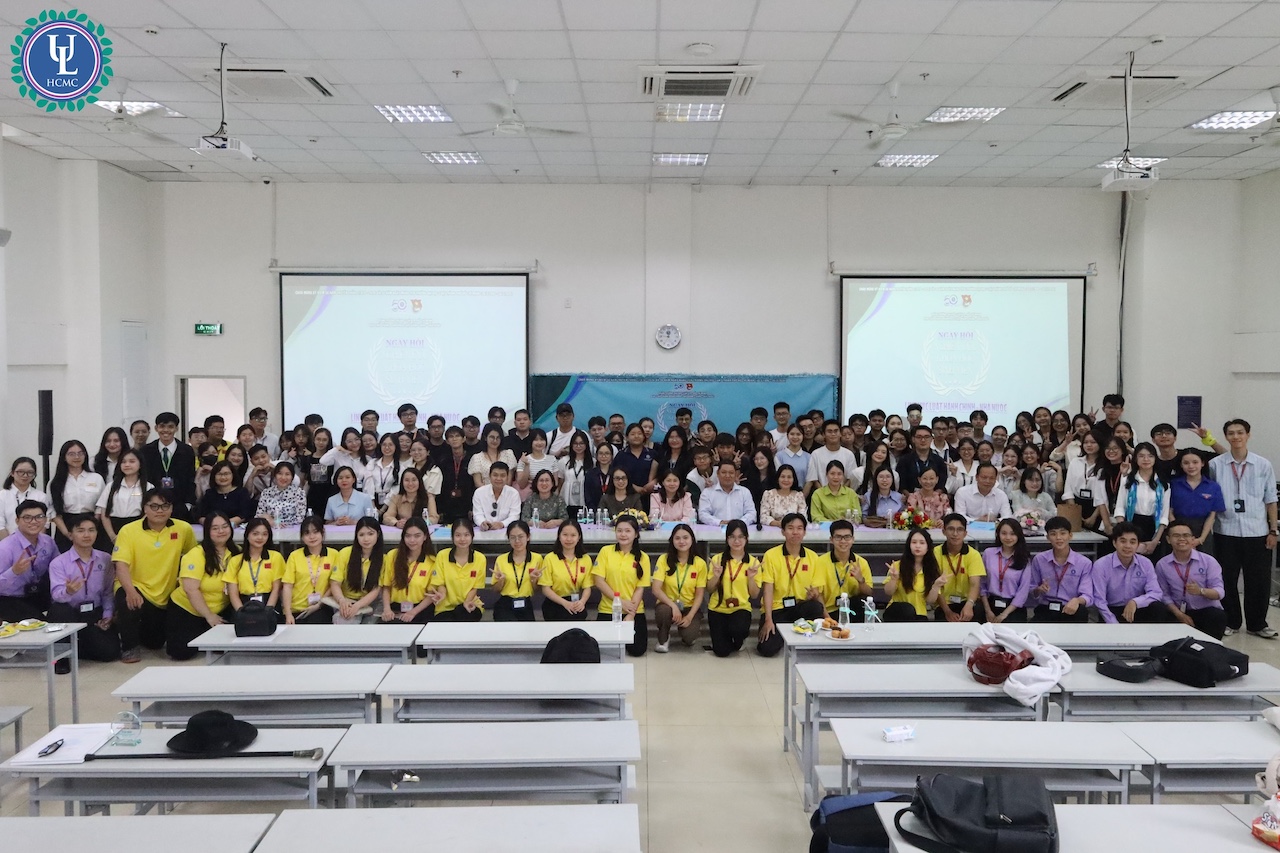
The Student Scientific Research Day for the 2025–2026 academic year attracted the participation of a large number of ULAW students
Career Development and Community Engagement: A Learner-Centered Approach
In 2025, student support services were expanded in a comprehensive manner. The University handled over 12,000 counseling and support cases related to academic issues, student life, mental health, and career skills. Numerous thematic programs on psychology, well-being, and soft skills were organized regularly, contributing to the enhancement of students’ overall quality of life.
In the area of career guidance and employment, survey results indicated that more than 97% of graduates secured employment within 12 months of graduation, with several programs achieving a 100% employment rate. This outcome underscores the effectiveness of aligning training with labor market demands and the close collaboration between the University, enterprises, professional organizations, and social partners.

High-Quality Program students of ULAW participated in a practicum at Tilleke & Gibbins Vietnam
Infrastructure and Learning Resources: A Strategic Turning Point with Campus 3 in Long Phuoc
A strategically significant milestone in 2025 was the full operation of Campus 3 in Long Phuoc Ward starting in October 2025. The new campus was developed according to modern, green, and smart design principles, expanding the University’s capacity for education, research, and professional activities in response to growing scale and quality demands.
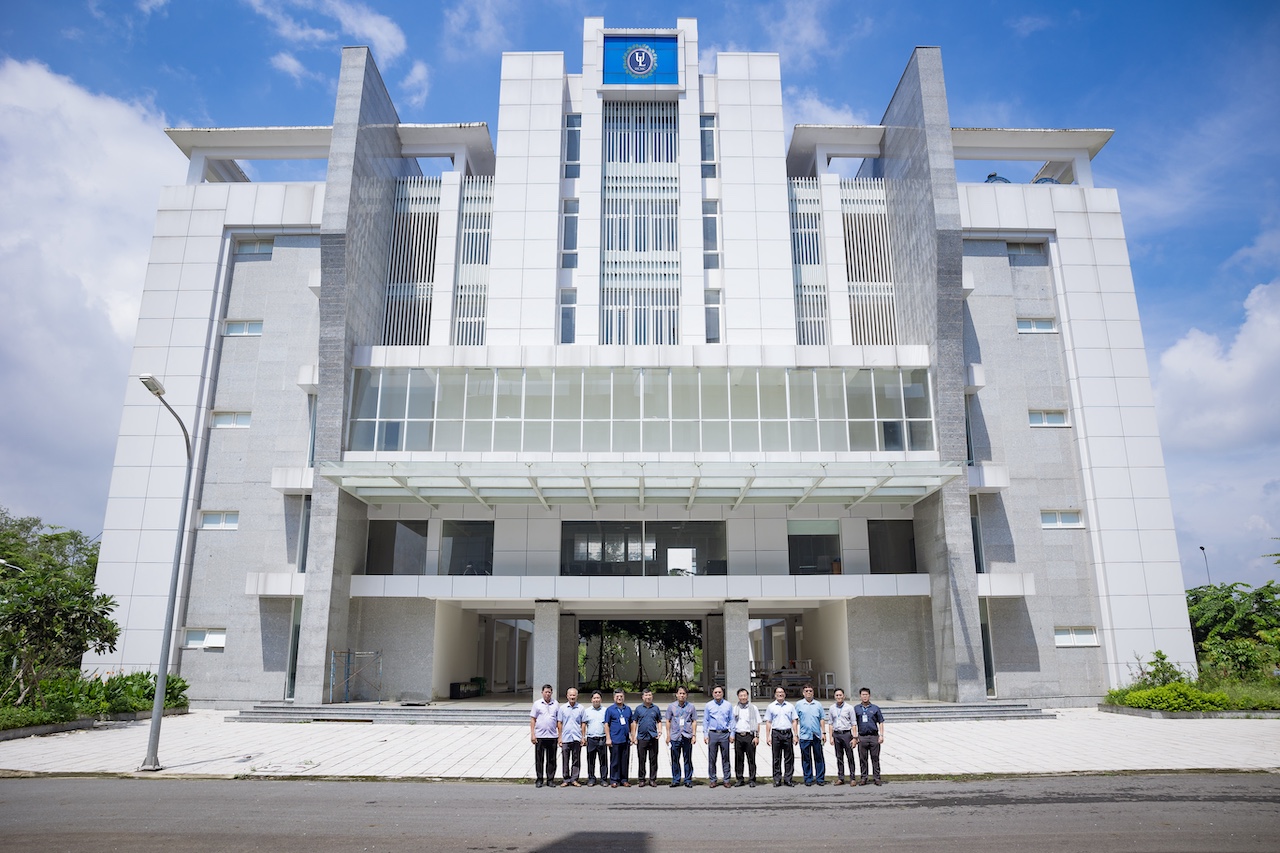
Building G at Campus 3 has officially been put into operation to serve as a learning space for students and a workplace for the University’s departments and functional units
Alongside infrastructure investment, learning resources continued to be upgraded. The University Library processed and prepared 5,143 materials for Campus 3; digitized 355 theses and dissertations; and uploaded 1,886 scholarly articles to the digital library, bringing the total number of digitized resources to 25,909. The introduction of Turnitin software and the provision of training and accounts for lecturers from September 2025 further strengthened academic integrity and effectively supported teaching and research activities.

ULAW’s Moot Courtroom at Campus 3 (Long Phước)

ULAW students during a class session at Campus 3 (Long Phước)
2026: Elevating Quality and Accelerating Innovation
Entering 2026, Ho Chi Minh City University of Law has clearly identified its key orientations and priorities. Foremost among these is the cultivation of a quality culture and accountability, the implementation of institutional self-assessment under the new higher education quality standards, the completion of quality improvement plans, and the continued accreditation of training programs at both national and international levels.
In education, the University will continue to innovate teaching methods, strengthen practice-oriented learning, expand English-taught programs, international joint programs, and distance learning. The integration of AI and digital technologies into management, teaching, and assessment will be further deepened, accompanied by regulations on academic integrity and ethical technology use.
In scientific research, ULAW aims to increase high-quality international publications, establish and develop research groups, promote interdisciplinary research, and strengthen the linkage between research, policymaking, and societal needs. Domestic and international cooperation will continue to expand, forming strategic partnership networks in education, research, and knowledge transfer.
Toward the 50-Year Milestone: Connecting Past, Present, and Future
The year 2026 also marks the peak of activities commemorating the 50th Anniversary of Ho Chi Minh City University of Law (1976–2026) and the 30th Anniversary of the University’s official name (March 30, 1996 – March 30, 2026). Organizational efforts are being implemented along a roadmap spanning from late 2025 through the end of 2026, featuring a wide range of impactful activities.
The official anniversary ceremony, scheduled for March 30, 2026, will serve as the central highlight of the commemorative series, honoring five decades of development and paying tribute to generations of leaders, lecturers, staff members, and learners who have contributed to the University’s growth.
In addition, a three-day teambuilding program celebrating the 50-year tradition (March 6–8, 2026) will be held in Nha Trang City, Khanh Hoa Province, for all staff and employees. The program will combine collective activities, gala exchanges, and experiential visits to Nha Trang and Cam Ranh, strengthening internal cohesion and fostering a shared spirit of unity across the University.
Complementing these events is a diverse system of academic, cultural, and appreciation activities, including national and international scientific conferences, commemorative publications, documentary films, historical timelines, alumni reunions, sports and cultural programs, and community-oriented projects and scholarship initiatives supporting students.

On the occasion of the Lunar New Year 2026, Ho Chi Minh City University of Law respectfully extends its best wishes for health, happiness, and success to all staff members, lecturers, students, learners, doctoral candidates, alumni, and partners. Building upon the achievements of 2025, the University remains committed to continuous innovation, quality enhancement, and sustainable development, jointly advancing toward a ULAW that is “rooted in tradition – enlightened toward the future,” worthy of the trust placed in it by society and generations of learners.
-----
Credits
Content: Hồng Giang
Photos: ULAW Archive
Department of Communications and Enterprise Relation
➖ ➖ ➖ ➖ ➖ ➖ ➖ ➖ ➖ ➖
📝TRƯỜNG ĐẠI HỌC LUẬT THÀNH PHỐ HỒ CHÍ MINH (ULAW)
☎Hotline: (028) 39400.989 – 1900.5555.14 – Zalo: 0879.555.514
🔗Website: https://hcmulaw.edu.vn/
🔗Chuyên trang 50 năm: https://50years.hcmulaw.edu.vn/
📲Fanpage: https://www.facebook.com/hcmulaw/
Youtbe: https://www.youtube.com/@ulawhcm
📲 TikTok: https://www.tiktok.com/@ulawtv
#50NamTruyenThong #30NamMangTenTruong #VungBuocVuonTam #ULAW50 #KỷNiệm50Năm #TrườngĐạiHọcLuậtTPHCM #ULAW #VữngTruyềnThốngSángTươngLai #ULAW #ĐạiHọcLuậtThànhphốHồChíMinh