The celebration of 50 years of tradition (1976–2026) and 30 years under the official name Ho Chi Minh City University of Law (ULAW) represents a deeply meaningful milestone in the journey of one of Viet Nam’s leading institutions for legal education. It is a moment not only to honor a proud past, but also to look forward—reaffirming vision, renewing aspirations, and shaping the path ahead.
Built upon a solid foundation of education, scientific research, and service to society, the University now enters a new stage of development. This stage is defined by the ambition to further strengthen its role as a national key university for legal training, to enhance its standing within the region, and to move steadily closer to international standards in teaching, research, and service to the legal community. These aspirations have been articulated and institutionalized through a series of strategic schemes, resolutions, and official development plans, reflecting both continuity and renewal in ULAW’s long-term mission.
A Strategic Vision Rooted in Tradition and Open to the World
Throughout nearly half a century, Ho Chi Minh City University of Law has remained closely connected to the national mission of developing legal education and strengthening the rule of law. From its early beginnings as a judicial cadre training institution for Southern Viet Nam, through its evolution into the Ho Chi Minh City Branch of the University of Legal Studies, and ultimately its establishment as Ho Chi Minh City University of Law in 1996, each stage of development has mirrored the country’s broader process of reform, renewal, and international integration.
A significant milestone was marked by Decision No. 549/QD-TTg dated April 4, 2013 of the Prime Minister, which designated Ho Chi Minh City University of Law—together with Hanoi Law University—as one of the two national key institutions for training legal professionals. Under this designation, the University was entrusted with a core responsibility in developing high-quality legal human resources for state agencies as well as for the business and economic sectors.
Building on this mandate, ULAW articulated its long-term vision through the Scheme for Building Ho Chi Minh City University of Law into a Key Institution for Legal Training. The University set out to become a leading center of legal education and research with strong national influence and growing regional recognition, contributing substantively to judicial reform and national development.
Further refined through Resolution No. 41/NQ-HĐT dated April 29, 2022 and Plan No. 460/KH-ĐHL, the University’s vision toward 2030, with orientations extending to 2045, embraces a research-oriented, multidisciplinary, and interdisciplinary university model, with law as its intellectual core. Central to this vision is a humanistic and open educational philosophy—one that values independent legal thinking, professional ethics, civic responsibility, and the capacity for international engagement. The core value “Illuminating Knowledge, Upholding Justice” continues to guide ULAW’s activities in education, research, and service to society.
Turning Vision into Action: Key Development Priorities
1) Renewing Academic Programs and Connecting Knowledge with Practice
In pursuit of educational excellence, the University is renewing its academic programs based on competency frameworks, learning outcomes, and interdisciplinary integration. Students are expected not only to master legal knowledge, but also to develop a solid understanding of economics, management, technology, and critical thinking.
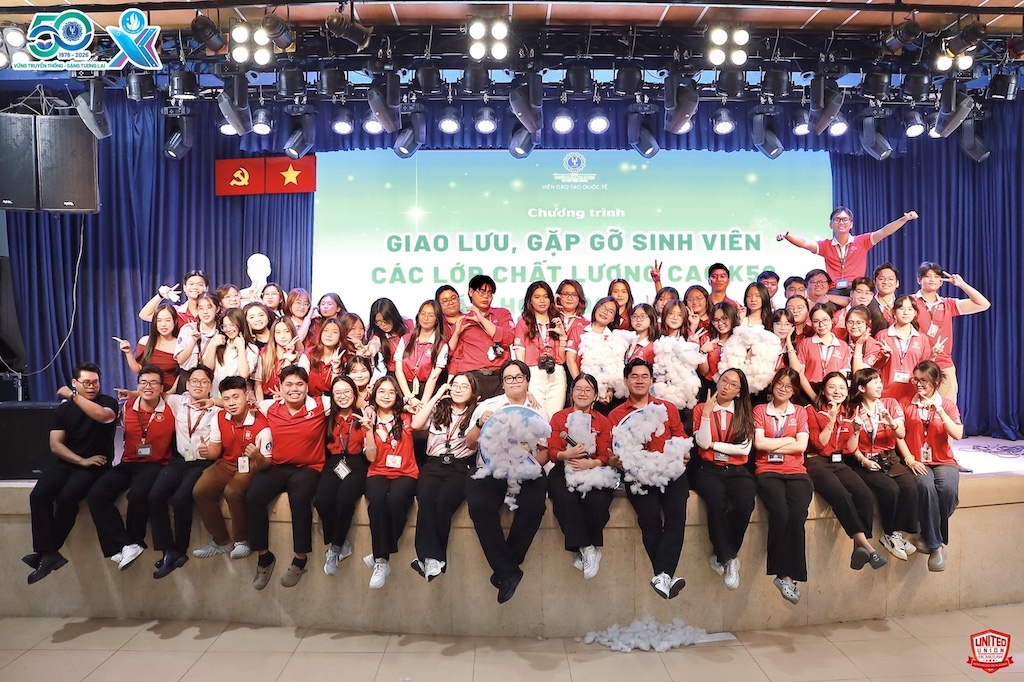
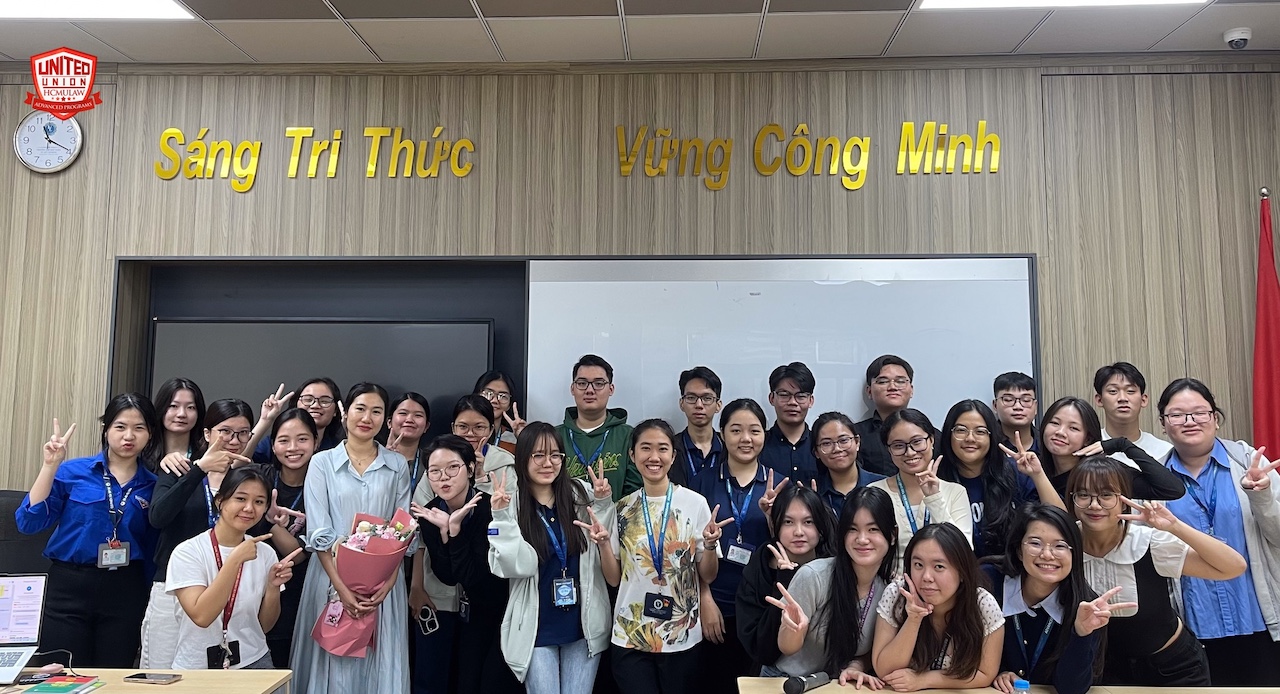
Students enrolled in the High-Quality Programs of Ho Chi Minh City University of Law
High-quality programs with enhanced foreign-language instruction, together with international joint programs—most notably the dual-degree program with the University of Arizona (United States)—continue to broaden access to contemporary legal education. At the same time, ULAW is expanding training in emerging areas aligned with global trends, such as International Trade Law, Digital Economy Law, and legal data governance, while strengthening professional legal skills in an increasingly digitalized environment.
2) Advancing Digital Transformation Across the University
Digital transformation has been identified as a strategic pillar of development. It is being implemented comprehensively across governance, teaching, research, and quality assurance. Electronic office systems support modern administration; learning management systems enhance teaching and assessment; and digital libraries and specialized academic databases—such as HeinOnline, Westlaw, Oxford Academic, and LuatVietnam—expand access to global legal knowledge.
Together with the development of online learning platforms and blended learning models, these initiatives contribute to the gradual formation of an integrated digital university environment, improving operational efficiency and opening new pathways for learning and research.
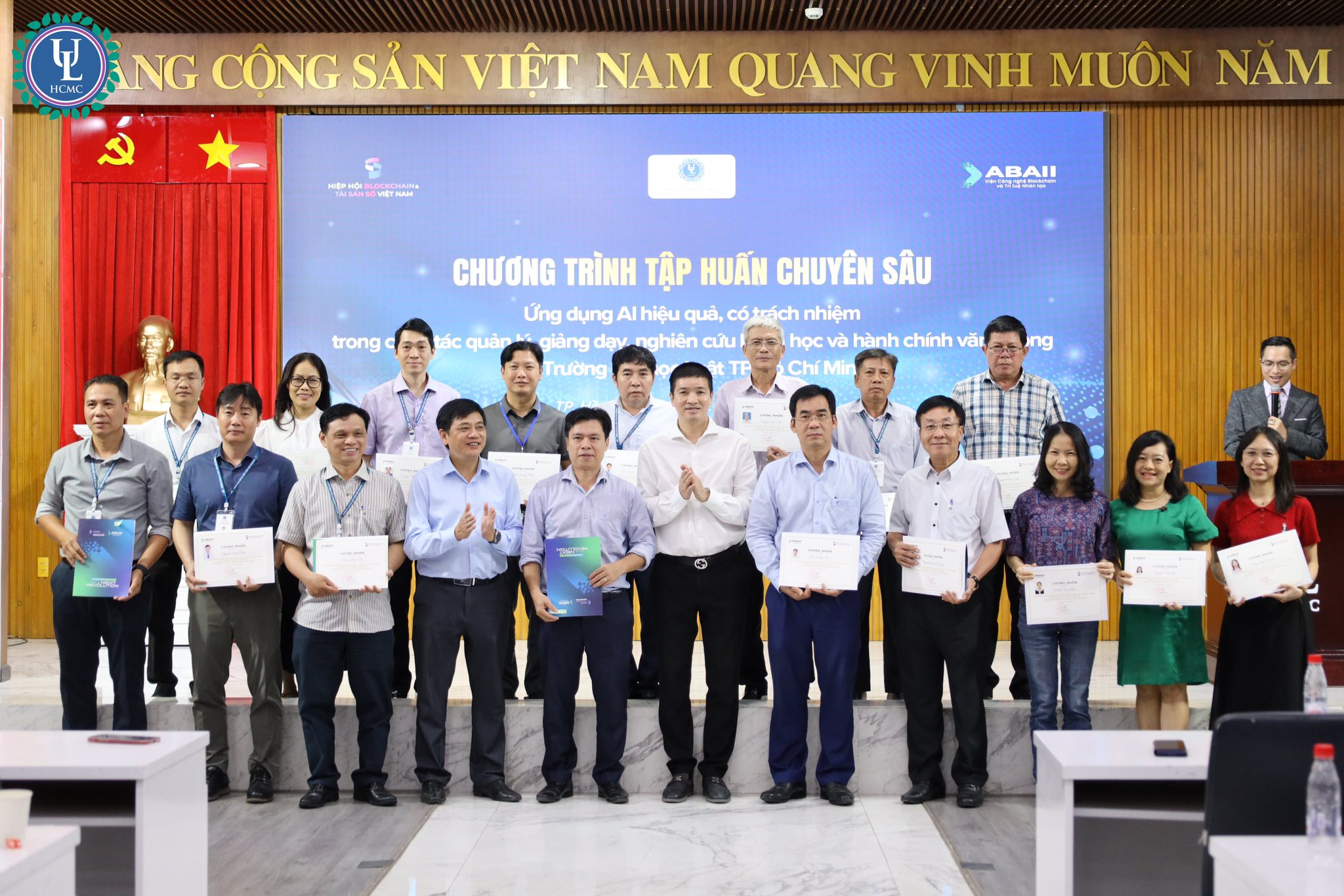
An advanced training program on the application of artificial intelligence (AI) in university governance and teaching for officials and staff of Ho Chi Minh City University of Law
3) Deepening Research and Expanding Academic Cooperation
Research and cooperation remain central to ULAW’s future direction. The University continues to promote academic exchange, organize scholarly conferences, and develop research projects at various levels, with particular emphasis on increasing international publications and approaching regional and global standards.
Looking ahead, cooperation is increasingly oriented toward depth and sustainability—through joint program development, co-supervision of research, collaborative legal data studies, and stronger academic contributions to policy formulation and critique. These efforts reinforce ULAW’s role as both a knowledge hub and a trusted partner in legal and institutional development.
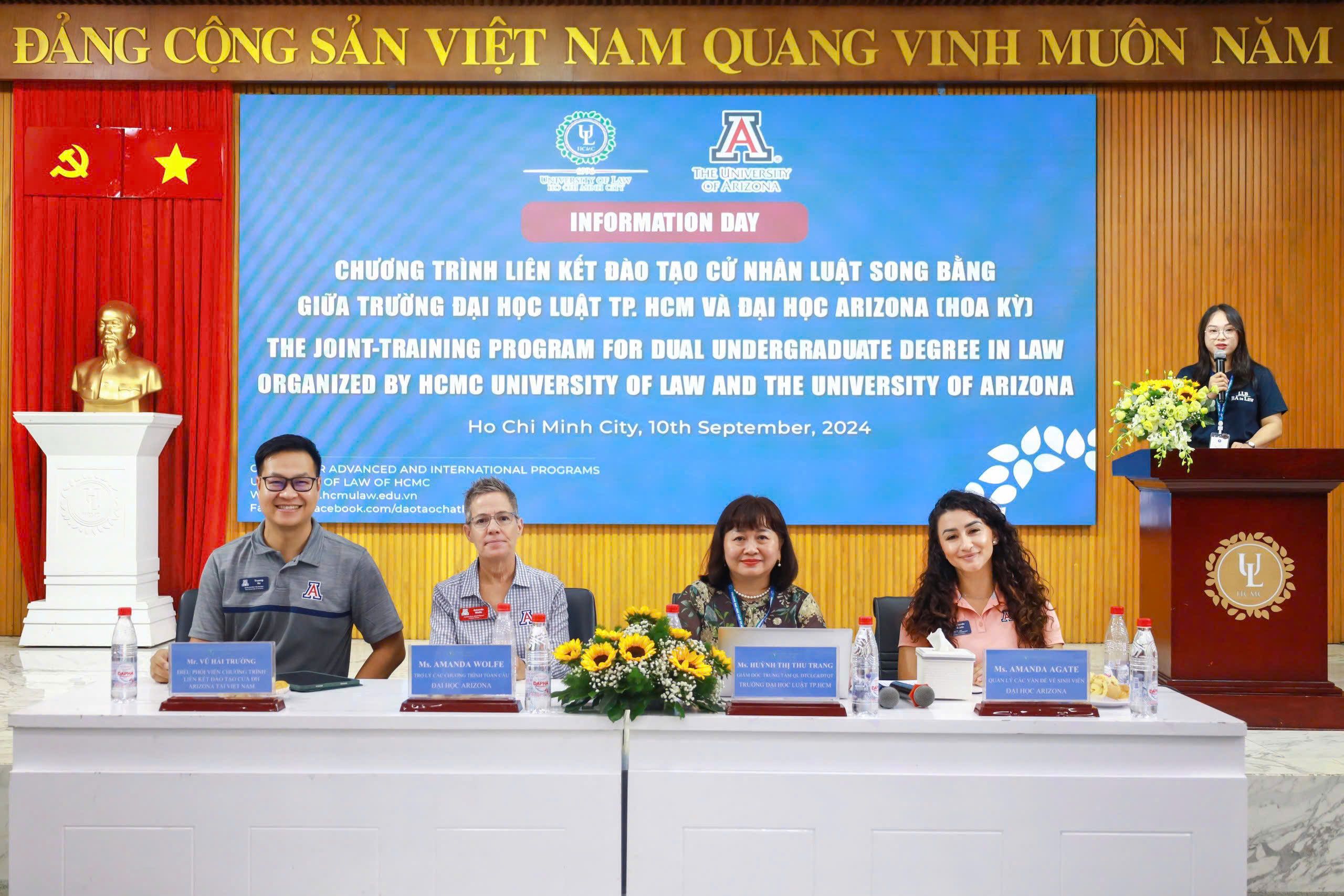
The dual Bachelor of Laws degree program jointly organized by Ho Chi Minh City University of Law and the University of Arizona (United States) for ULAW students
4) Expanding Infrastructure and Shaping a Modern University Space
Alongside its campuses in Xom Chieu Ward and Hiep Binh Ward, the operation of Campus 3 in Long Phuoc Ward marks an important step in expanding the University’s physical and academic space. Designed with modern lecture halls, legal practice facilities, libraries and digital learning resources, research and innovation areas, and student activity spaces, the new campus supports the University’s goals in education, research, digital transformation, and sustainable development.
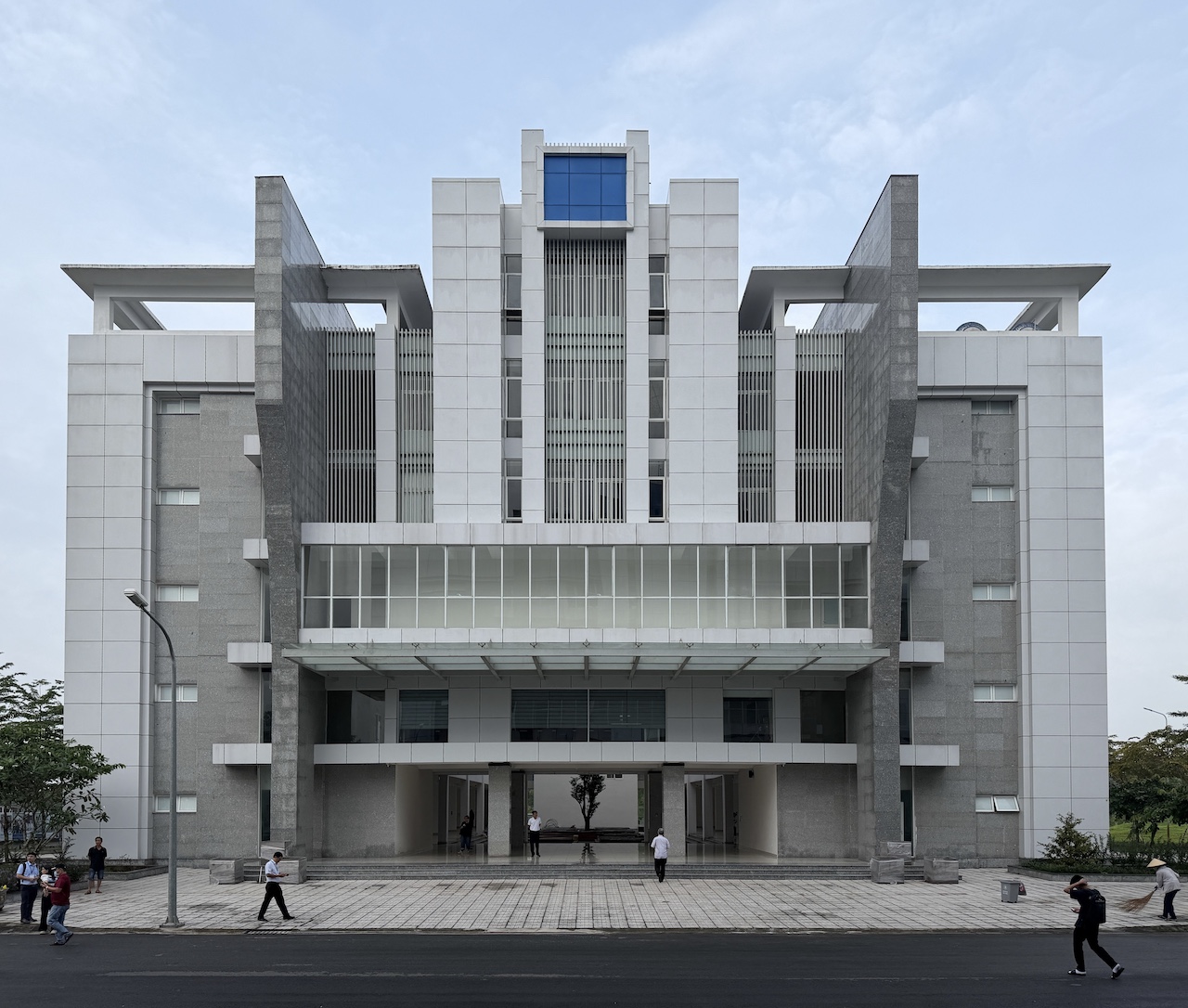
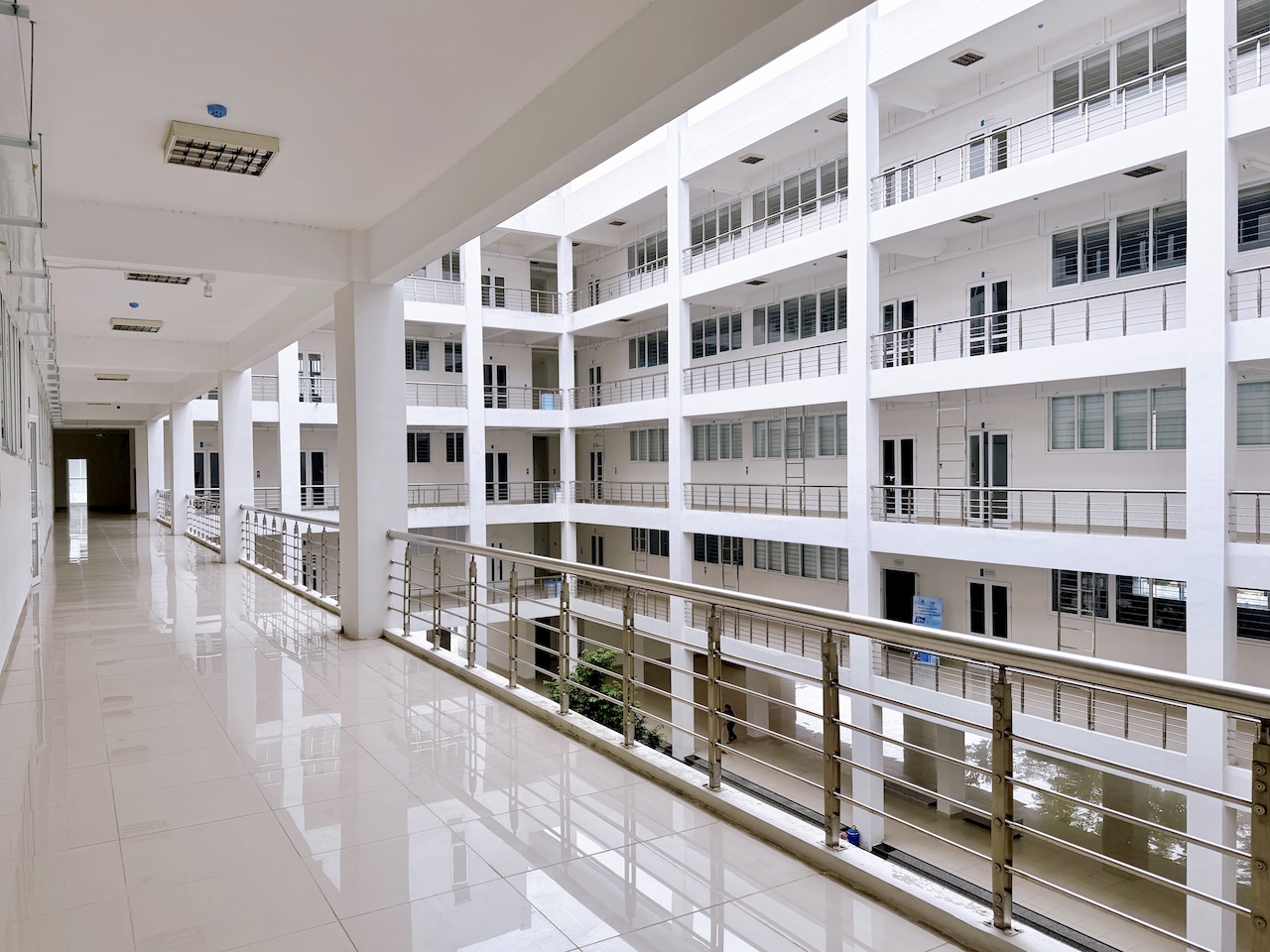
The modern and large-scale facilities of Campus 3 (Long Phuoc) of Ho Chi Minh City University of Law
This expansion reflects ULAW’s long-term commitment to creating a modern, integrated university environment aligned with its role as a national key institution and its aspirations for deeper international engagement.


Students attending class at the Long Phuoc Campus
5) Strengthening Human Resources and Academic Culture
At the heart of ULAW’s development strategy is its people. The University continues to attract and nurture talent, support doctoral training, encourage international publication, and innovate teaching methods. Transparent evaluation mechanisms based on academic performance and quality assurance processes are maintained as a reflection of institutional responsibility and commitment to standards.
The Party Congress of the University for the 2025–2030 term reaffirmed three major orientations: developing a digital university, advancing a multidisciplinary and interdisciplinary model, and consolidating ULAW’s role as a national key institution for legal education.
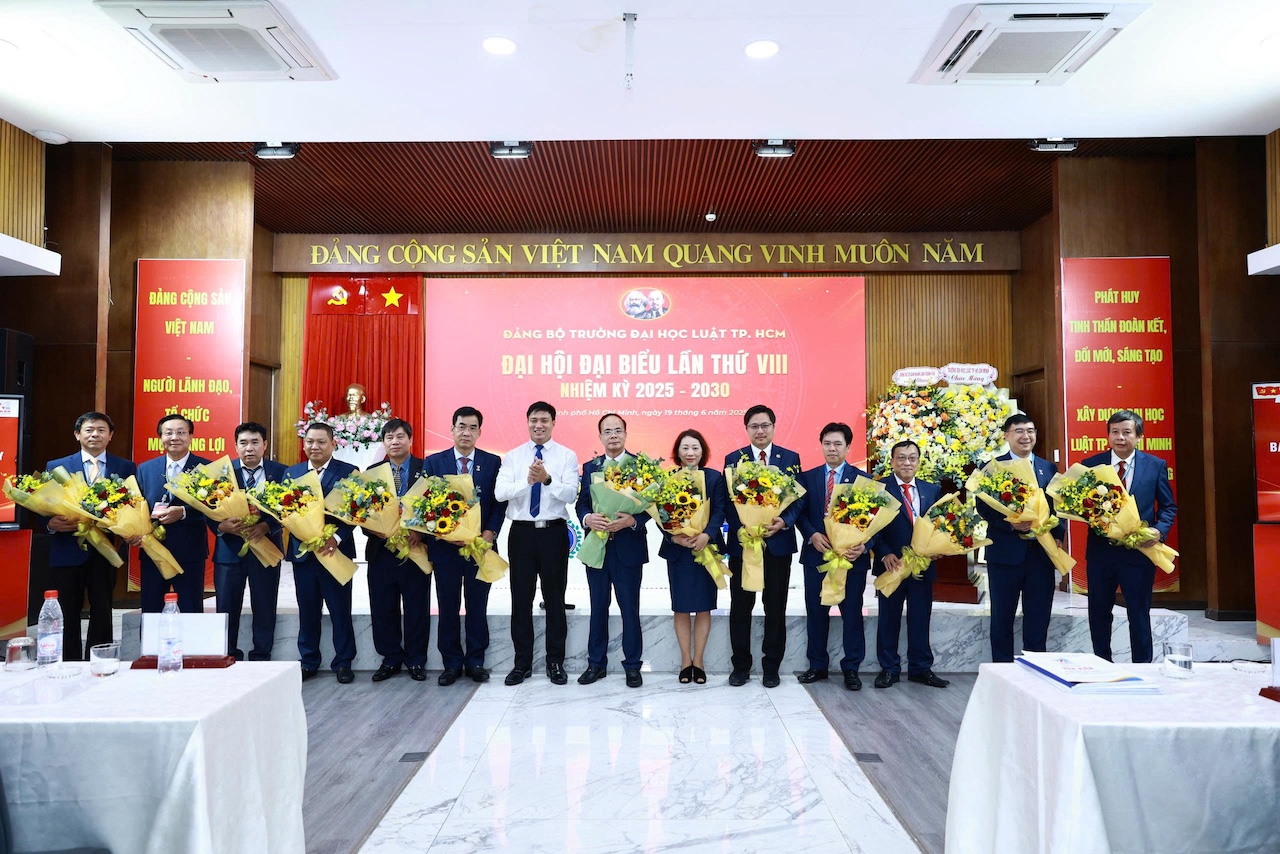
The Party Congress of Ho Chi Minh City University of Law for the 2025–2030 term set forth key strategic orientations for the University’s development
For students, the University emphasizes the integration of theory and practice, expands opportunities for research and academic engagement, strengthens connections with judicial bodies and enterprises, and equips learners with foreign-language skills, technological competence, and a strong sense of justice. For faculty members and researchers, strong research groups, institutes, and thematic centers are being developed as the core of a dynamic academic ecosystem. For alumni and partners, ULAW seeks to build sustainable cooperation networks that support research, policy dialogue, and the development of future generations. For society, the University continues its mission of service through high-quality legal training and active participation in the development and improvement of legal policies.
Moving Forward with Confidence
Grounded in its rich traditions and guided by a clear and forward-looking vision, Ho Chi Minh City University of Law now steps into a new chapter of development. With a focus on curriculum renewal, digital transformation, strengthened research, expanded infrastructure, and continuous investment in human resources, ULAW reaffirms its commitment to excellence.
With aspiration, experience, and the capacity to act, Ho Chi Minh City University of Law continues to affirm its position within Viet Nam’s legal education system—while expanding its academic contributions and service to the legal community in a rapidly evolving world.
-----
Credits
Content: Hồng Giang
Photos: ULAW Archive
Department of Communications and Enterprise Relation
➖ ➖ ➖ ➖ ➖ ➖ ➖ ➖ ➖ ➖
📝TRƯỜNG ĐẠI HỌC LUẬT THÀNH PHỐ HỒ CHÍ MINH (ULAW)
☎Hotline: (028) 39400.989 – 1900.5555.14 – Zalo: 0879.555.514
🔗Website: https://hcmulaw.edu.vn/
🔗Chuyên trang 50 năm: https://50years.hcmulaw.edu.vn/
📲Fanpage: https://www.facebook.com/hcmulaw/
Youtbe: https://www.youtube.com/@ulawhcm
📲 TikTok: https://www.tiktok.com/@ulawtv
#50NamTruyenThong #30NamMangTenTruong #VungBuocVuonTam #ULAW50 #KỷNiệm50Năm #TrườngĐạiHọcLuậtTPHCM #ULAW #VữngTruyềnThốngSángTươngLai #ULAW #ĐạiHọcLuậtThànhphốHồChíMinh